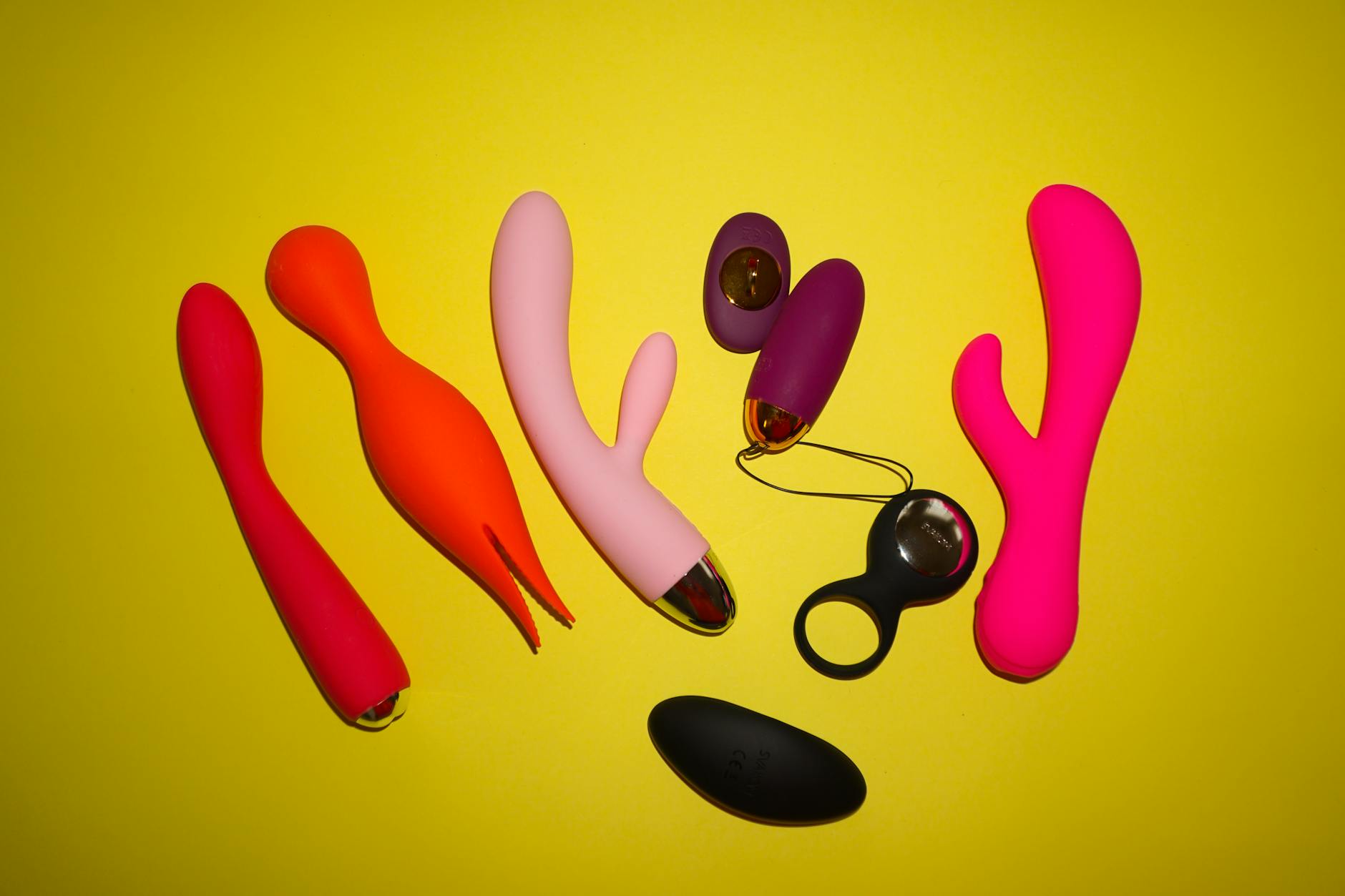
When life pivots, pleasure doesn't come back the same way
Let's be real. A major life change rewires your nervous system. Whether it's a sudden health diagnosis, a job loss, a move, a relationship ending, or any other rupture you didn't see coming, your body remembers the shock even after your mind has started to process it. And that shows up everywhere, including in how you experience pleasure.
The tricky part? Most people expect pleasure to bounce back to the "before" version. It won't. That doesn't mean it's gone. It means it needs a different entry point.
What happens to sensation when your nervous system is triggered
When you experience unexpected stress or trauma, your vagus nerve (the major highway between your brain and your body) tightens. Blood flow redistributes away from your genitals and toward your survival organs. Your clitoris becomes less responsive. Arousal takes longer. Touch that used to feel amazing can suddenly feel uncomfortable or numb.
This isn't psychological. It's your nervous system doing exactly what it's supposed to do. Survival first, pleasure second. Smart design, terrible timing.
Here's where lemon vibrators, and specifically the Lem's air-suction technology, make a real difference. Unlike traditional vibrators that rely on direct mechanical friction, suction stimulates your clitoral nerves through gentle pressure and release. That pattern actually coaxes your vagus nerve back online. You're not forcing sensation. You're inviting it back.
The suction advantage for nervous system recovery
When your clitoris is underresponsive or oversensitive (which often happens together during recovery), you need a tool that doesn't demand instant arousal. Traditional vibrators ask your body to respond with friction and speed. Suction asks differently. It says: "Let's build this slowly. Let's work with your actual capacity right now."
Three specific ways this helps:
The pressure-and-release rhythm rebuilds tissue responsiveness. Suction creates a micro-expansion and contraction that wakes up nerve endings without the harsh intensity of direct vibration. You can start at the gentlest setting (often setting 1 on a lemon clitoral vibrator) and your body doesn't feel attacked. It feels attended to.
The sensation is concentrated, not diffuse. A lot of people with heightened nervous system activation find that broad vibration feels overwhelming. It's too much stimulus in too many places. Suction focuses the sensation. You know exactly where the stimulation is, which gives your brain permission to relax into it instead of bracing against it.
You can stay in low intensity for longer without losing sensation. With a traditional vibrator, you often have to ramp up the intensity to feel anything. With suction, the sensation deepens through the rhythm itself, not just through speed. That means you can spend 20 minutes at level 2 or 3 and build to orgasm, instead of going straight to max intensity and burning out fast.
Rebuilding your own pleasure without a partner's expectations
One of the underestimated parts of recovery is that your pleasure gets tangled with someone else's timeline. If you have a partner, they want you to feel better. That pressure, even though it's well-intentioned, can actually delay your recovery. Your nervous system reads it as another demand.
Using a lemon vibrator solo during this phase is different. You're not on anyone's schedule. You're not "performing" recovery. You're just exploring what feels good to your actual body right now, not your imagined body from before the change.
For people rebuilding after relationship shifts or major life transitions, this solo reconnection phase is often more important than jumping back into partnered intimacy. You're teaching your body that pleasure is something you can generate independently. That's a foundational skill for everything that comes after.
The patience factor: why lemon vibrators slow you down (in a good way)
After unexpected change, there's usually a urge to "get back to normal" as fast as possible. Intellectually, you're ready. Your nervous system isn't. A traditional vibrator can accidentally enable rushing. You turn it to high, expect the same response you used to have, don't feel it, and get discouraged.
Lemon vibrators, especially the Lem with its graduated intensity levels, almost force you to go slow. The suction sensation is so different from what you might be used to that you're naturally curious. You explore each level. You notice what feels good. You might spend three sessions at level 1 before moving to level 2, and that's completely normal.
That slowness isn't a limitation. It's the mechanism of healing. Your nervous system recalibrates through repetition and safety, not through intensity.
What you're actually rebuilding (hint: it's not what you think)
Honestly though, you're not trying to get back to your old pleasure. You're building a new relationship with your body's capacity. That's actually more resilient than the original.
People who move through this process often report that their orgasms on the other side feel different. Sometimes more intense, sometimes more subtle. Frequently more satisfying, because they're rooted in actual nervous system recovery rather than habit or performance.
This is especially true when you use a lemon sucker or clitoral vibrator as part of a deliberate exploration phase. You're not trying to replicate the past. You're discovering what your body actually wants now.
The timeline nobody tells you about
Recovery isn't linear. Some weeks you'll feel responsive. Some weeks you'll feel completely numb. Both are normal. The advantage of having a lemon vibrator on hand is that you can meet yourself where you are each time.
On a numb day, you might use it as a sensory reconnection tool. Not for orgasm, just for "hello, I'm here." On a responsive day, you might use it to build to climax. The tool adapts. You don't have to.
Most people find that after 4-8 weeks of regular solo exploration with a clitoral vibrator that matches their nervous system state (which suction tools like the Lem tend to do naturally), they start feeling like themselves again. Not their old self. Their new self. That's the goal.
When to bring a partner back in
If you have a partner, they don't need to understand all of this. But they do need to know that your pleasure recovery isn't their job. Your role is to reconnect with yourself first. Their role is to wait, not to fix.
Once you've rebuilt solo, partner sex becomes easier because you're not starting from zero. You already know what feels good. You can communicate it. You can guide them.
For those navigating rebuilding pleasure after hormonal or physical changes, this same principle applies. Solo exploration first. Partnership second.
The nervous system piece everyone skips
Most of the advice about pleasure after big life changes focuses on the emotional stuff. That matters. But your nervous system is the actual gateway. A lemon vibrator works because it doesn't demand. It invites. It gives your vagus nerve permission to calm down.
You're not using a tool to force your way back to pleasure. You're using a tool that acknowledges your nervous system needs a different rhythm than it did before. That's the real difference.
Quick recap: why suction matters in recovery
When your nervous system has been activated by unexpected change, direct vibration can feel too intense. Suction applies graduated pressure that rebuilds tissue responsiveness without shock. You can start incredibly gentle. You can spend weeks at low intensity. Your body sets the pace.
This means you're not fighting against yourself. You're working with your actual capacity. That's how pleasure actually comes back.
People also ask
How long does it take to feel pleasure again after a major life change?
Every nervous system is different, but most people report noticeable shifts within 4-8 weeks of consistent solo exploration. "Consistent" here means 2-3 times a week, not daily marathons. Your brain needs time to integrate each session. If you're still feeling mostly numb after 8 weeks, checking in with a trauma-informed therapist might help. Sometimes the activation runs deeper than solo tools can reach.
Can I use a regular vibrator during recovery, or does it need to be a lemon vibrator specifically?
You can use whatever tool you have access to. But vibrators that use suction technology (like the Lem or other lemon clitoral vibrators) tend to work better during recovery because they don't rely on high intensity to create sensation. A traditional vibrator can work if you stay disciplined about keeping it on low settings. The real key is patience and low intensity, whatever the tool.
Should I tell my partner I'm using a vibrator while rebuilding pleasure?
Depends on your partnership agreement. Some couples share everything. Some keep solo sexuality private. Neither is wrong. What matters is that your partner understands you're doing private recovery work and isn't interpreting it as rejection. A simple "I'm exploring what feels good to my body right now" often suffices.
Is it normal to feel nothing during the first few sessions?
Completely normal. Your clitoris might be desensitized. You might feel pressure but not pleasure initially. That's fine. Keep using the lowest setting, keep the sessions short (5-10 minutes), and your nervous system will wake up. Patience isn't boring here, it's the actual mechanism.
Can I use lemon vibrators if I'm also in therapy for the life change?
Absolutely. In fact, therapy and solo sensory exploration work really well together. Your therapist helps you process the emotional stuff. The vibrator helps you reconnect with your body. They're different systems. Both matter.
What if suction doesn't feel good to me during recovery?
Then you might have surface sensitivity or your nervous system needs a different entry point. Try fingers first, maybe with lube. Or try a vibrator at its absolute lowest setting, held far away from the clitoris (like, stimulating the external area, not direct contact). You're teaching your body that touch is safe again. The exact tool matters less than the nervous system permission.