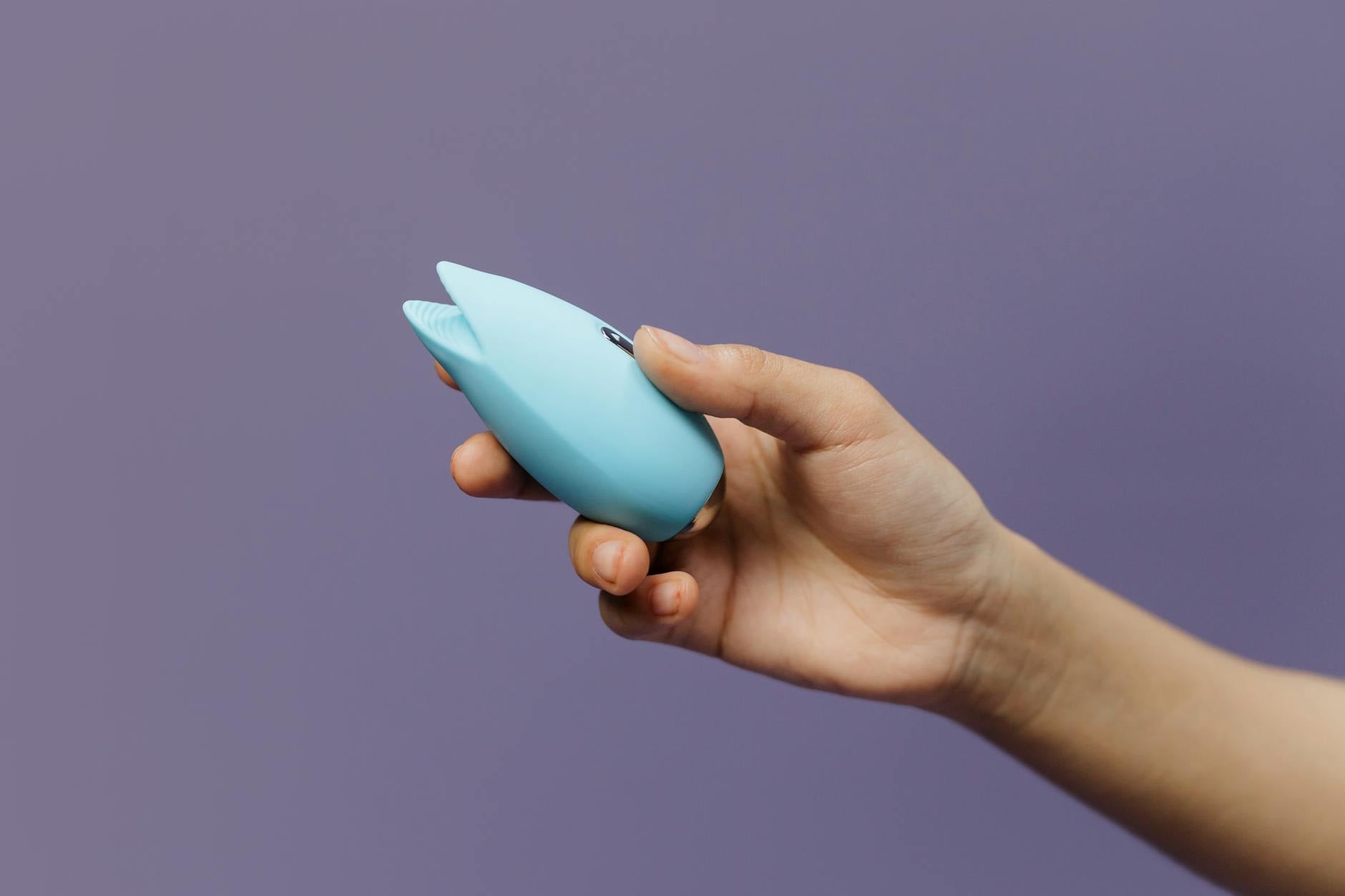
Let's be real: hormones control more than you think
You've probably noticed it. The week before your period, touch feels different. During ovulation, your clitoris responds faster. If you've switched birth control or you're approaching menopause, the entire landscape of sensation can feel unfamiliar. That's not your imagination. That's basic endocrinology.
Estrogen and progesterone change blood flow to genital tissue, nerve sensitivity, and how your body responds to stimulation. When hormones shift, the threshold for arousal changes too. The thing that worked last month might feel too intense this week, or not intense enough.
This is where most people get stuck. They assume their pleasure is broken. They're not. Your clitoris hasn't disappeared. The signal has just changed frequencies. And lemon vibrators, specifically, are designed to help you find that new frequency instead of chasing the old one.
How hormonal shifts actually change clitoral sensation
There are three things happening in your body right now. Understanding them changes everything.
Estrogen affects tissue thickness. Higher estrogen means the skin covering your clitoris is thicker and more engorged. Lower estrogen means it's thinner and more sensitive to direct pressure. A vibration pattern that felt good at peak estrogen might feel sharp or even painful when estrogen drops. This is especially true if you're on hormonal birth control, approaching your period, or in perimenopause.
Progesterone changes nerve sensitivity. In the luteal phase (after ovulation), progesterone rises and your clitoris becomes less sensitive to direct stimulation. Some people describe this as numbness. It's not numbness. It's desensitization. The same nerves are firing, but they're firing slower. That's why a faster vibration pattern might suddenly feel more effective. Conversely, when progesterone drops, some people find rapid patterns too intense.
Blood flow follows hormones. Arousal depends on vasocongestion, which is fancy for blood pooling in genital tissue. When hormones are high, blood vessels are more responsive. When hormones drop (like right before your period or after stopping hormonal birth control), genital tissue takes longer to engorge. Sensation doesn't arrive as quickly or feel as pronounced.
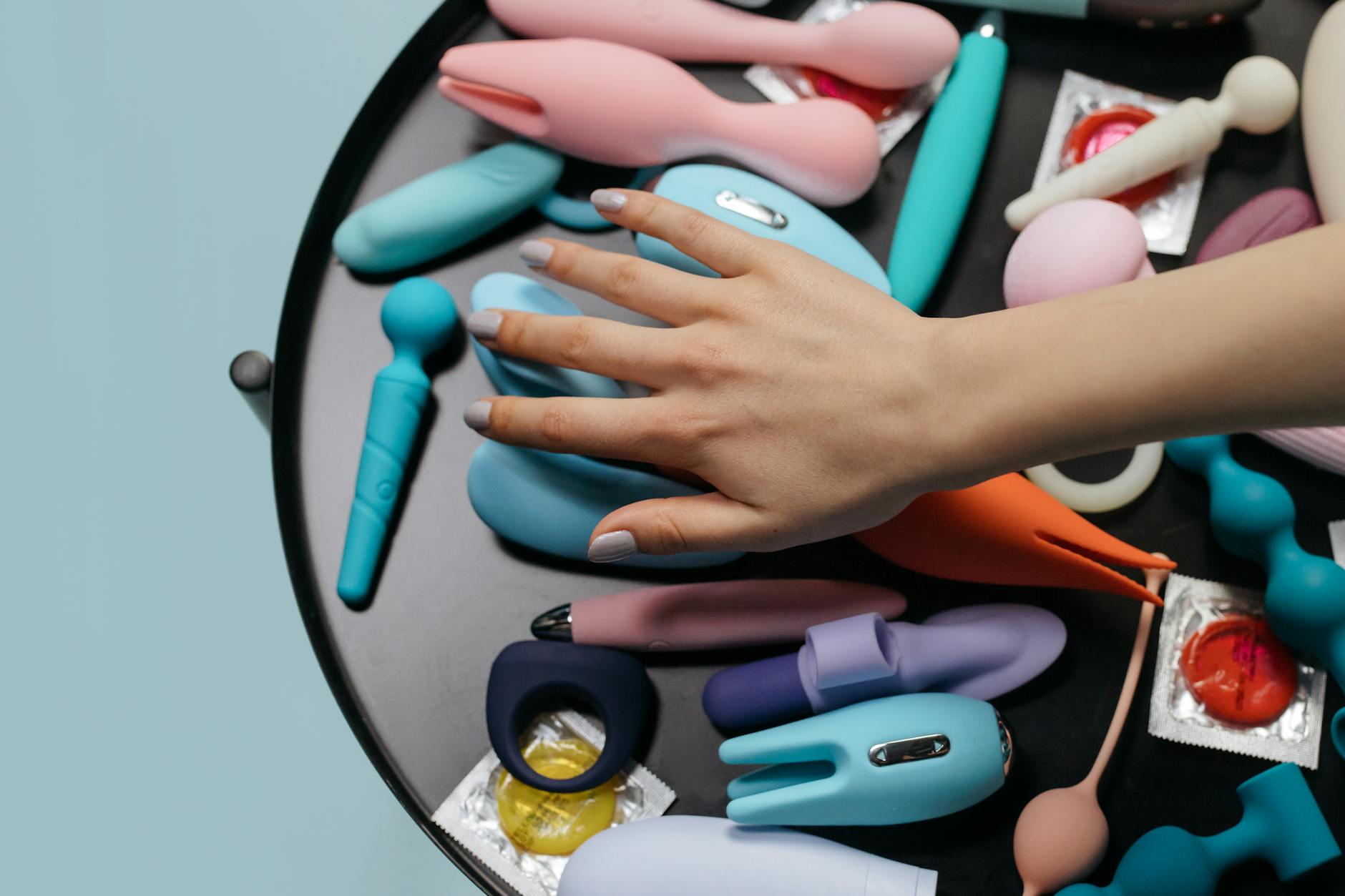
Photo by cottonbro studio on Pexels
Why lemon vibrators adapt better than other toys
Here's the key difference. Most vibrators are fixed. They have one shape, one material, one pattern. You have to adapt your body to the toy.
Lemon vibrators work differently. They use a suction mechanism rather than direct vibration. This matters enormously when your sensitivity is in flux.
With traditional vibrators, if your clitoris is less sensitive (say, mid-cycle when progesterone is climbing), you might need to push harder against the toy for the same sensation. That pressure can feel uncomfortable, or you might find yourself chasing pleasure that doesn't arrive.
With a lemon vibrator, the suction mechanism stimulates a broader area of clitoral tissue at once. Instead of a single point of pressure, it's distributing sensation across your entire clitoral glans and the tissue around it. This is gentler when your tissue is thin, more satisfying when your sensitivity is naturally lower, and it adapts to where you are in your cycle rather than forcing your body to meet the toy halfway.
The pattern options matter too. Lower patterns on a lemon vibrator feel less intense when estrogen is low. Higher patterns deliver more sensation when progesterone is high and your tissue is less responsive. You're not choosing between "too much" and "not enough." You're choosing the setting that matches your hormonal moment.
Mapping your cycle with lemon vibrators
If you menstruate, your sensitivity isn't random. It follows a pattern. Understanding that pattern is the first step to using a lemon vibrator effectively during hormonal shifts.
Follicular phase (days 1-14, roughly). Estrogen is rising, blood flow is increasing, and your clitoris is becoming more engorged. In this phase, many people find they can handle faster patterns and higher intensity. The clitoral tissue is thicker and more cushioned against direct pressure. Use patterns 4-6 on your lemon vibrator. Some people find they can push right to the edge.
Ovulation (day 14, roughly). Estrogen peaks, blood flow is maximum, and sensitivity is highest. This is when many people find lemon vibrators feel almost too intense if you're at maximum settings. Here's the counterintuitive part: lower patterns can feel more satisfying because your body is so responsive that you don't need as much input to reach arousal. Try patterns 2-4 and notice if slower actually feels better. It often does.
Luteal phase (days 15-28, roughly). Progesterone rises, estrogen dips, and your clitoris becomes less sensitive. This is when people often say their vibrator "stopped working." It didn't. Your hormones did. You need more stimulation. Higher patterns on your lemon vibrator (6-8) feel better right now. Longer warm-up time helps too. Your body is less primed for quick arousal, so budget 20-30 minutes instead of 5.
Menstruation (days 1-5, roughly). Hormones are at their lowest, and many people find clitoral stimulation feels less pleasurable. Some people still want it. Some don't. Both are normal. If you do, medium patterns (3-5) often feel best. Pain during menstruation isn't normal, though. If vibration hurts on your period, stop and check in with a doctor.
If you're not menstruating (and hormones still matter)
Not everyone menstruates. Some people are on continuous birth control, some have had hysterectomies, some are post-menopausal, and some never menstruated in the first place.
Hormonal sensitivity still applies, but it works differently. If you're on hormonal birth control, your dose matters. Some formulations suppress ovulation completely, which means your sensitivity is relatively stable across the month. Others use a placebo week, which creates a mini hormone dip (that's why some people get a "period.").
For those on continuous hormonal birth control, the pattern you find effective early in the month will likely work throughout. You don't get the cyclic fluctuation. That stability is one reason some people prefer it.
If you're post-menopausal or approaching menopause, your baseline sensitivity is lower because estrogen is consistently lower. This isn't worse. It's different. Why Lemon Vibrators Feel Different During Perimenopause With Fluctuating Hormones covers this in depth, but the short version is that lemon vibrators feel particularly good during this time because the suction mechanism is gentler on thinner tissue while still delivering the sensation you need.
If you've had gender-affirming hormone therapy or any other hormonal treatment, talk to your doctor about your timeline. Sensitivity shifts take weeks to months, not days. Give your body time to adapt before assuming your pleasure has changed permanently.
The three adjustments that actually help
Pattern selection is half the story. Here's what else changes when your hormones shift.
Warm-up time stretches. When progesterone is high or estrogen is low, your body needs more time to respond. Jumping straight to sensation won't work. Spend 15-20 minutes on non-genital touch first. This isn't foreplay. This is priming your nervous system. Your hands, a partner's hands, or just breathing and thinking about what you want all count. Then add the lemon vibrator. You'll find arousal arrives faster.
Lubrication becomes essential. Lower estrogen means less natural lubrication. It's that simple. Adding external lubricant isn't cheating. It's matching the condition of your tissue right now. Water-based works best if you're using silicone toys. It washes off easily and works with your body's natural chemistry without interfering.
Patience with the plateau. When hormones are low, the arousal curve isn't a steep hill. It's a longer slope. You'll reach sensation slower and the path up is gradual. That's not dysfunction. That's just the hormonal reality. Instead of chasing the quick climb, settle in for a longer journey. Lemon vibrators handle this beautifully because the suction mechanism is comfortable for extended use. You're not fatiguing tissue with hard pressure. You can stay with the sensation without discomfort.
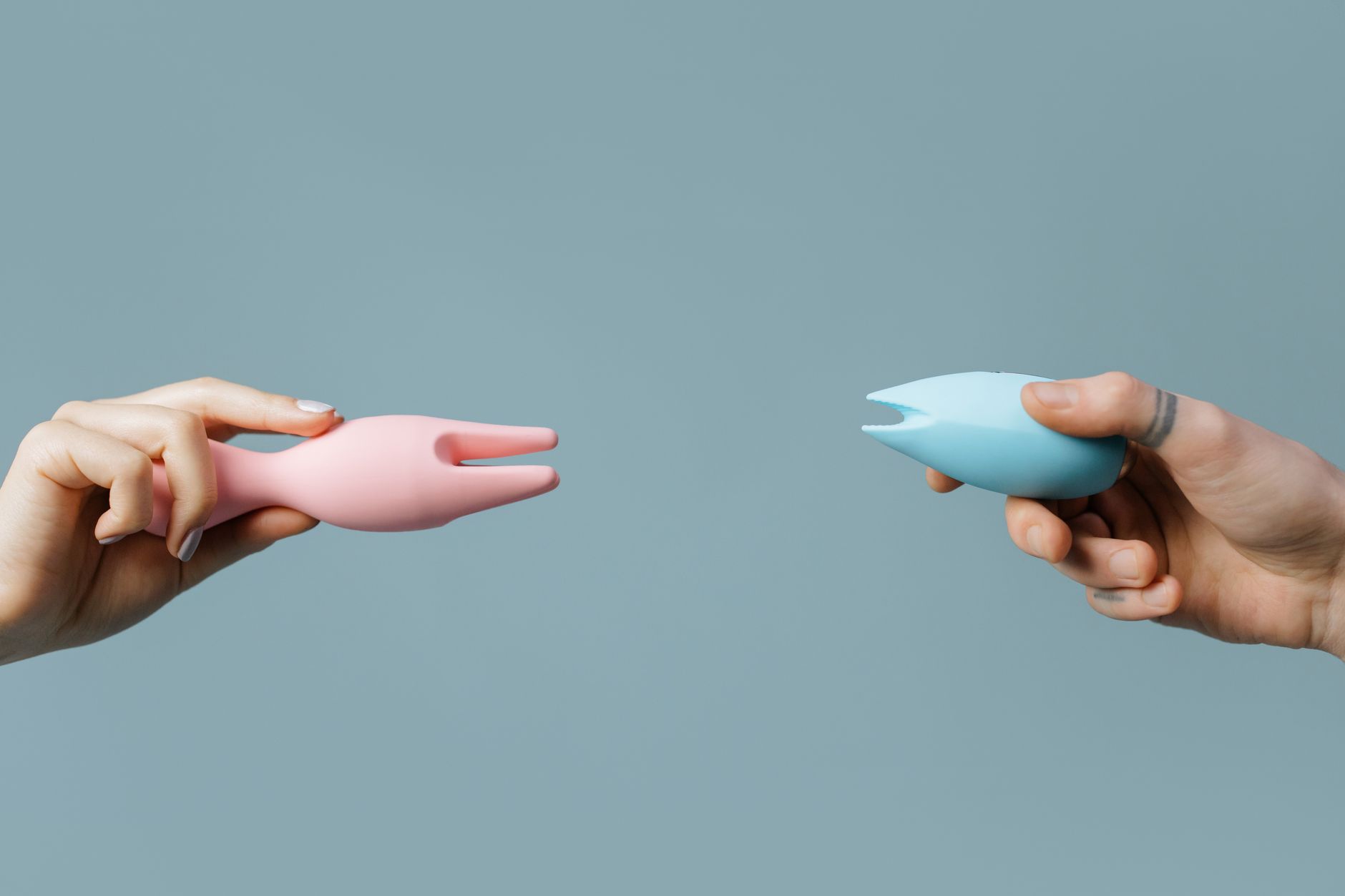
Photo by cottonbro studio on Pexels
When sensitivity shift might signal something else
Hormones explain a lot. But sometimes sensitivity changes point to something that needs attention.
If sensation has completely vanished and doesn't return within 3-4 cycles, talk to a doctor. It could be medication side effects, thyroid dysfunction, or other hormonal conditions unrelated to your cycle. If pain accompanies the change, get it checked sooner. Pain isn't normal and it's not something to work through with a better vibrator.
If sensitivity dropped right after starting a new medication, read the side effects list. Many antidepressants, antihistamines, and blood pressure medications affect arousal. It's real, it's documented, and your doctor can talk about alternatives.
If you're stressed out of your mind, sensitivity might disappear temporarily. Chronic stress suppresses desire through multiple mechanisms. Lemon vibrators can help, but so can actually resting. Paradoxically, giving yourself permission not to perform sexually sometimes restores desire faster than forcing sensation.
FAQ: Hormonal sensitivity and lemon vibrators
Why does my lemon vibrator feel different before my period?
Progesterone is highest in the week before your period, and estrogen is dropping. Both changes reduce clitoral sensitivity. Your tissue is less engorged, less responsive to stimulation, and your nervous system is slightly desensitized. This is completely normal. Higher pattern settings (6-8) on your lemon vibrator will likely feel more satisfying than the patterns you use the rest of the month.
Can I use a lemon vibrator during my period?
Yes, if you want to. Some people enjoy it. Some don't. Pain is a red flag and means you should stop. Light bleeding won't damage your vibrator or your body. Just wash your toy thoroughly afterward. Some people find that orgasm during menstruation actually relieves cramping, while others find it makes cramps worse. Your body, your call.
How long does it take to adjust to hormonal sensitivity changes?
Three to four cycles. Your nervous system needs time to recalibrate to new hormone levels. If you've just switched birth control, changed doses, or are entering a new hormonal life stage (perimenopause, for example), give your body a full cycle or two to settle. Then reassess. What feels "off" right now might feel normal in a few months.
Do lemon vibrators work better for hormonal sensitivity than other vibrators?
Yes, for most people. The suction mechanism is gentler on thin or sensitive tissue (which happens when estrogen is low), and it distributes sensation more broadly, which helps when your overall sensitivity is lower. But everyone's nervous system is different. The best vibrator is the one that feels good to your body right now, in your current hormonal moment.
If I'm on hormonal birth control, will my sensitivity still fluctuate?
It depends on your specific formulation. Continuous birth control (no placebo week) creates more stable hormones, so sensitivity is more consistent. Birth control with a placebo week creates a minor hormone dip during that week, which can cause sensitivity fluctuations. Talk to your doctor about your specific pill or method if you want to know what to expect.
What pattern should I use if I'm post-menopausal?
Start at patterns 4-6 and adjust based on what feels good. Post-menopausal clitoral tissue is thinner and more delicate because estrogen is consistently low. The suction mechanism of lemon vibrators is especially helpful here because it's less likely to feel raw or irritated compared to direct vibration. If something hurts, lower the intensity. Pleasure should never come with pain.
The pattern you need changes with your hormones
Your clitoris hasn't changed. Your hormones have. That shift in sensation isn't a loss. It's information about where your body is right now.
Lemon vibrators work because they're responsive to that information. The suction mechanism adapts to tissue thickness and sensitivity. The pattern options let you meet your body where it actually is, not where you wish it was. Longer warm-up, more lube, patience with the plateau, and the right pattern for your hormonal moment. That's the formula.
Your pleasure doesn't end when hormones shift. It just requires understanding the shift. That's what makes the difference between thinking something's broken and understanding something's changed.