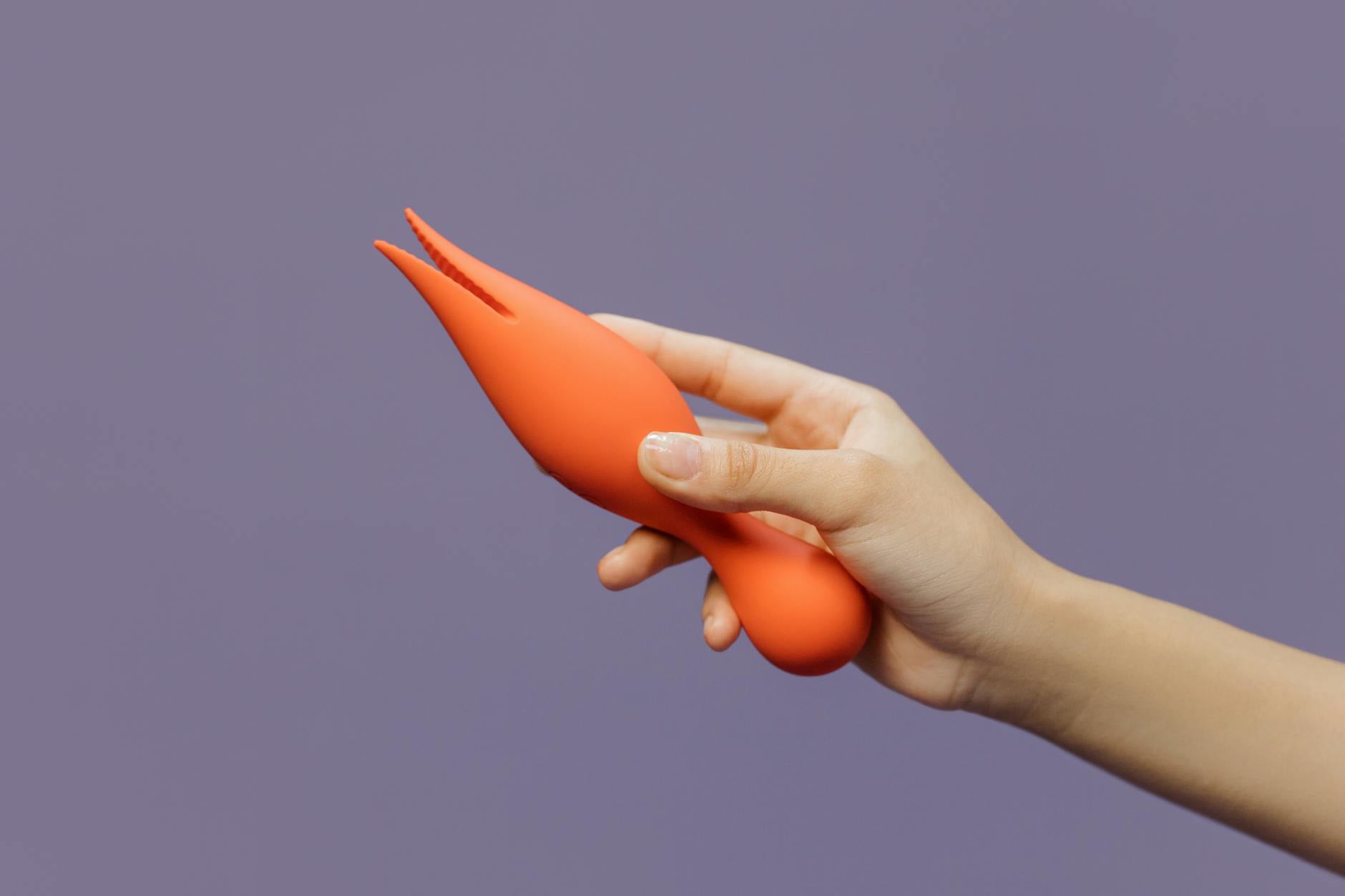
When stress shuts down your desire
Relationship stress doesn't just live in your head. It lives in your body. When you're carrying tension with a partner, your nervous system stays in fight-or-flight mode, which means blood flow pulls away from your genitals and toward your core. Your brain stops signaling arousal even when you want to feel it. Desire doesn't just vanish because you're having a rough patch. It gets buried under a layer of hypervigilance, resentment, or just plain exhaustion.
Here's what that actually means for sensation. Your clitoris needs sustained blood flow and nervous system relaxation to respond. When you're stressed, neither of those things are happening. So even if you're trying to reconnect with a partner or reconnect with yourself, touch that normally feels electric can feel numb or even irritating.
Why lemon clitoral vibrators work differently when desire is flat
A lemon vibrator, unlike fingers or traditional vibrators, works through air-suction technology rather than direct friction. This matters wildly when your nervous system is wound tight. Here's why:
Suction draws blood into the clitoris without requiring you to already have arousal happening. It's not waiting for you to feel turned on first. It's creating the physiological conditions for arousal to build, which is the opposite of how stress usually works. With fingers or standard vibrators, you need some baseline sensation to get going. With a clitoral suction toy like the Lem, the sensation itself becomes the starting point.
The rhythm of suction also works differently on your nervous system than vibration does. Vibration can feel scattered when you're anxious. It's chaotic input when your brain is already processing too much. Suction creates a wave-like pattern that's easier for a dysregulated nervous system to track and respond to. It feels like a pulse, which your body recognizes as a calming rhythm.
The stress response and why sensation matters
When you're in chronic relationship conflict, your body is literally stuck in a stress state. Your parasympathetic nervous system (the one responsible for rest, digestion, and arousal) gets overridden by your sympathetic nervous system (fight or flight). You can't think your way out of that. No amount of "let's try harder" rewires your nervous system.
But sensation can. Specific, rhythmic sensation that doesn't demand anything from you first.
Lemon vibrators create what I call a "biological reset." You're not thinking about the argument you had. You're not worrying about whether this means your relationship is over. Your attention narrows to physical input that feels novel and pleasant. For a lot of people working through relationship stress, that's the first moment in weeks where their nervous system actually relaxes.
That relaxation is not trivial. It's where desire lives. It's where your body can remember what pleasure feels like.
What to expect the first time when you're stressed
If you've been carrying relationship tension for a while, the first sensation might feel weird rather than good. That's normal. Your clitoris might be numb from lack of blood flow and sensation. The suction might feel intense or even uncomfortable at first.
Start at the lowest intensity setting. Spend the first session just learning what the sensation is, not trying to come. This is about resensitizing your body, not about achieving an outcome. Many people report that their first few uses feel neutral or strange, and then somewhere around session three or four, the pleasure kicks in. Your nervous system needs time to recognize that this input is safe and that arousal can happen.
Rebuilding desire with a partner
If you're using a lemon vibrator as part of rebuilding intimacy with a partner, the conversation beforehand matters more than the tool. Tell your partner what you're trying to do. This isn't about them being inadequate. This is about your nervous system needing specific input to reset after a period of stress. A lot of partners feel relieved when they understand that you're not checking out of the relationship. You're repairing your capacity to feel.
Some couples use it together. Some people use it alone and then return to partner intimacy with their nervous system in a better state. Both approaches work. The key is that you're not trying to force arousal that isn't there yet. You're creating the conditions for it to return.
Why clitoral vibrators feel different than other tools
I mention this because I've had clients try fingers, traditional vibrators, and even internal vibrators while carrying relationship stress, and none of them created the same effect. Fingers require your brain to be present and directing. Traditional vibrators can feel buzzy and scattered when your nervous system is already dysregulated. Internal vibration doesn't address the clitoral nerve endings that are responsible for pleasure in the first place.
Lemon suction toys target the exact spot where sensation rebuilds fastest. They create a specific type of stimulation that your nervous system recognizes as safe and pleasurable, which is what a stressed body needs to begin reengaging.
The timeline for desire to return
This isn't a quick fix. If relationship stress has been present for months, your desire won't fully return in two weeks of using a lemon vibrator. But what you'll notice first is sensation returning. A week or two in, things that felt numb start to have texture again. After three to four weeks, pleasure starts showing up alongside sensation. After six weeks, most people report a noticeable shift in their baseline responsiveness.
Partially rebuilt desire is also real progress. You don't need to be at 100% arousal to have meaningful intimacy with a partner. 60% of your baseline with an actual willingness to connect is often enough to begin rebuilding. The tool creates the conditions. The relationship work creates the rest.
When to seek additional support
If you're using a lemon clitoral vibrator consistently for eight weeks and feeling no return of sensation, or if desire is still completely absent, that's worth exploring with a therapist or sex therapist. Sometimes relationship stress is the whole story. Sometimes there's also depression, burnout, or a hormonal shift happening underneath. A professional can help untangle what's what.
Similarly, if the relationship stress is ongoing and unresolved, a vibrator is a tool for your own nervous system resilience, not a solution for the conflict itself. Consider how to rebuild intimacy after relationship drift as part of a broader conversation with your partner about what's broken and how to repair it.
The reset is the point
Desire doesn't return because you decided it should. It returns because your body feels safe enough to engage with pleasure again. A lemon vibrator gives you a way to create that safety through sensation, independent of whether everything else is fixed yet. Your nervous system resets. Sensation returns. Arousal becomes possible again. That's the pathway back.
People also ask
Why does relationship stress kill sexual desire so fast?
When you're in conflict with a partner, your body perceives a threat to your primary attachment bond. Your nervous system reroutes blood flow and energy toward managing that threat, not toward pleasure. Arousal literally can't happen in the same neurological state as anxiety or hypervigilance. Your body is protecting you by shutting down desire until it feels safe again.
Can using a lemon vibrator alone help me want sex with my partner again?
Partially. Rebuilding your own sensation and nervous system capacity makes it easier to engage with a partner. But desire also needs emotional safety and connection in the relationship itself. Using a clitoral vibrator can help you feel more present and responsive, but it's one tool alongside actual relationship repair. If the core conflict is unresolved, desire will keep getting sabotaged by stress.
How long before desire feels normal again?
Most people notice shifted sensation within two to three weeks and recognizable arousal returning within four to six weeks of consistent use. But "normal" depends on how long the stress was present and whether the relationship issues are being addressed. If the conflict is ongoing, your body won't fully let its guard down.
Is it weird to use a lemon vibrator when I'm in a relationship?
Not even slightly. Using a suction vibrator when relationship stress has killed your desire is similar to taking a bath to reset your nervous system or getting a massage. You're not replacing your partner. You're repairing your own capacity to feel and respond. Most partners appreciate knowing their loved one is working to reconnect.
What if I feel guilty for wanting to use a toy instead of trying harder with my partner?
That guilt usually means you're blaming yourself for your body's stress response. Your body isn't broken or lazy. It's dysregulated. A lemon vibrator isn't the lazy option. It's the informed option. You're giving your nervous system exactly what it needs to return to a state where partner intimacy is possible again.
Why is suction better than vibration for stress-related numbness?
Suction creates rhythmic, wave-like stimulation that a dysregulated nervous system can track and respond to. Vibration is rapid and scattered, which can feel chaotic when you're already anxious. Suction patterns are easier for your brain to process and feel calming, not stimulating in a frantic way. Your body relaxes first, then pleasure becomes possible.