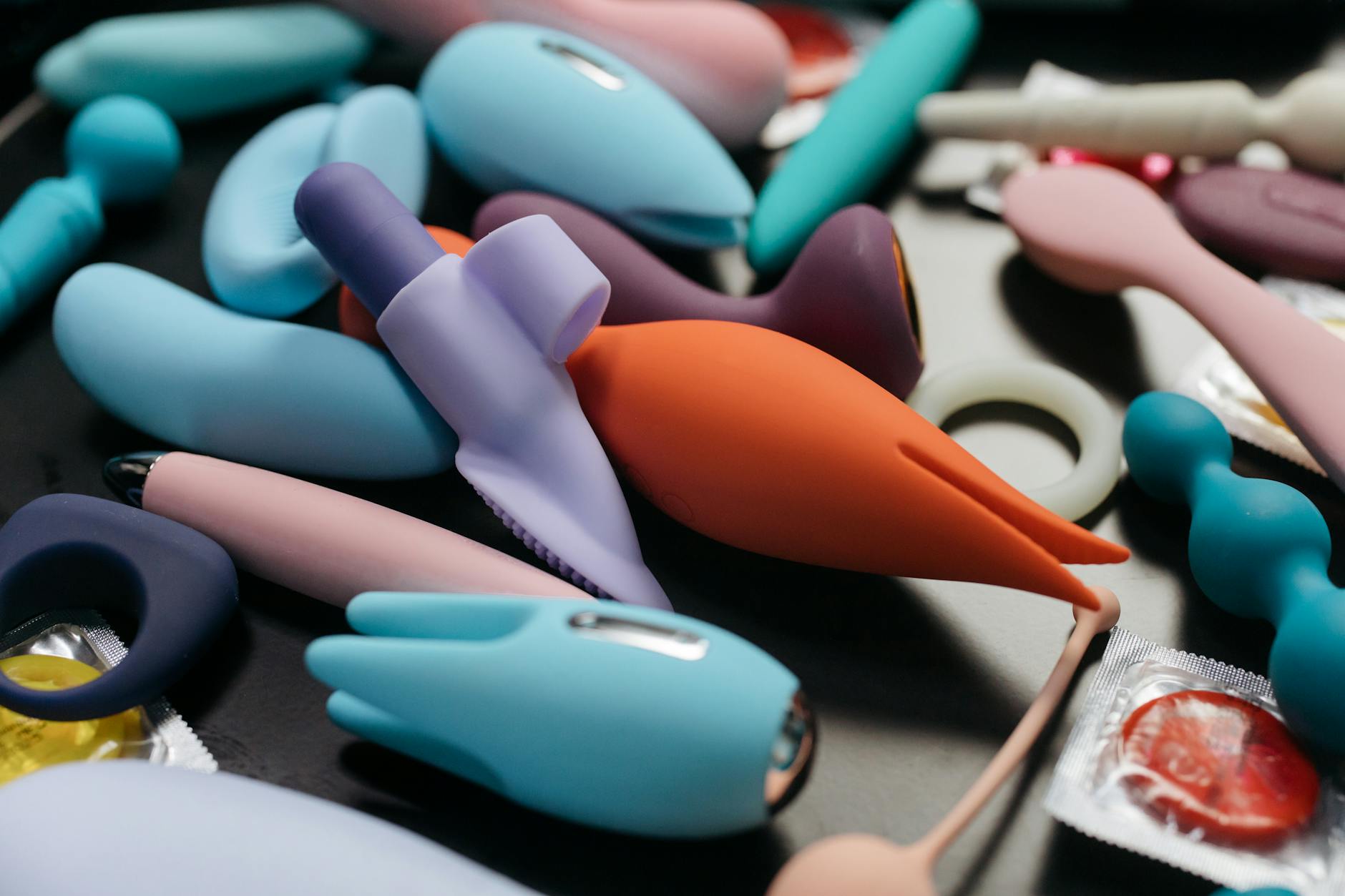
Here's the thing about intimacy drift
Most long-term couples don't have a dramatic breakup moment. They have a slow fade. You're both busy, both tired, both defaulting to the same three positions because they work and require minimal communication. Sex becomes functional instead of connecting. Then it becomes infrequent. Then it stops.
I see this in my practice constantly. Partners tell me they still love each other, still find each other attractive, but somewhere along the way the physical dimension of the relationship became optional. The gap widens because neither person wants to be the one to initiate and risk rejection.
What's surprising is that introducing a new tool—specifically, a lemon clitoral vibrator—can quietly reset this dynamic without requiring a heavy conversation first.
Why lemon vibrators work where traditional toys sometimes don't
When couples who've drifted try to reintroduce sex, several things usually happen. One partner initiates. The other feels pressure. Someone gets self-conscious about their body or performance. The whole thing gets abandoned, and now there's a second failure notched into the relationship ledger.
A lemon vibrator changes this equation in three specific ways.
First, it's collaborative by design. Neither partner is "performing" alone. If you're using a lemon sucker toy together, you're both present, both focused on one person's pleasure, both invested in the outcome. This removes the symmetrical pressure that often stalls things. You're not trading turns. You're taking turns witnessing.
Second, the novelty matters. After years together, the body's nervous system stops registering familiar touch as novel. Novelty is what triggers arousal. A new sensation—especially something as specific as the suction-based stimulation that lemon clitoral vibrators deliver—wakes up the nervous system without either partner having to suddenly become someone different or pretend they're attracted in a new way.
Third, lemon vibrators lower the stakes psychologically. They're not about something being "wrong" with one person's body or desire. They're about expanding what's possible. This frame is fundamentally less shame-laden than "we need to fix our sex life," which is what couples often hear when the intimacy conversation starts.
The research on why suction changes the dynamic
Most traditional vibrators use oscillation. The clitoris has roughly 8,000 nerve endings, but they're concentrated in the glans, and direct vibration can actually desensitize them over time, especially in longer-term partnerships where the same pattern gets used repeatedly.
Suction stimulation—the mechanism behind lemon adult toys—works differently. Instead of vibrating the tissue directly, it creates a gentle pressure change that stimulates the entire clitoral network, including the internal branches that extend several inches inside the body. This creates a broader, deeper sensation that feels less like a replay of familiar stimulation and more like a genuinely new experience.
For couples rebuilding connection, this matters because the novelty is real. Your nervous system can tell the difference. And when the body registers something as new, attention follows. You're both actually present instead of both thinking about the shopping list.
How to introduce it without weird awkwardness
The introduction matters. Here's what actually works in practice.
Don't frame it as "our sex life needs help." Frame it as curiosity. "I found this thing I've been reading about, and I'm curious what it would feel like. Want to try it together?" That's it. No preamble about your relationship problems. No apologies.
Start with one of you taking pleasure while the other is simply present. This removes the performance pressure instantly. If you're the receiving partner, you get to focus entirely on sensation. If you're the participating partner, you get to watch, touch other parts of the body, be involved without it being about your own arousal.
Many couples who've drifted also stop kissing during sex. Reintroduce kissing. When you're using a lemon clitoral vibrator together, you have a free hand and a clear view. Kiss the receiving partner's neck, their shoulders, their lips. This re-threads the emotional connection through the physical one.
Start with lower intensity settings. You're not trying to rush to orgasm. You're trying to rebuild the ability to be present together while one person experiences pleasure. If orgasm happens, great. If it doesn't, that's also fine. The point is the time and attention.
Why couples report this changes more than just sex
I tell couples this honestly: using a lemon sucker toy together is rarely just about the physical sensation. What actually shifts is something quieter. You've done something vulnerable together that doesn't require a therapy session or a crisis to justify. You've had your hands on each other. You've communicated about what feels good without words. You've both invested in one person's pleasure.
That becomes the template for other kinds of intimacy too. You're more likely to touch each other outside the bedroom. You're more likely to initiate small conversations. You're more likely to remember that you actually like being close.
The couples I work with who bring this element into their reconnection also report less resentment about the drift itself. Because instead of framing it as a failure ("we stopped having sex"), they frame it as a reset ("we tried something new together and found our way back").
The specific role of pleasure focus
For decades, we've told couples that great sex requires mutual simultaneous arousal and orgasm. It doesn't. In fact, that standard creates enormous pressure, especially when you're rebuilding after drift.
Instead, consider alternating pleasure focus. This week, you receive while your partner witnesses and participates. Next time, you switch. There's no pressure for simultaneous arousal. There's no performance anxiety about your body or your response. There's just attention.
A lemon clitoral vibrator actually facilitates this because it creates a clear focal point. Everyone in the room knows exactly where the attention is. It sounds simple, but after months or years of avoiding this entirely, clarity is radically helpful.
When to bring in a conversation
Some couples can reintroduce physical intimacy using a lemon vibrator and have the deeper emotional work happen naturally as they reconnect. Others need to talk about what caused the drift in the first place.
Don't skip the conversation if resentment is present. If one partner feels abandoned, or if there's infidelity, or if the drift is actually a symptom of something deeper like depression or a partner's affair, using a vibrator without addressing the core issue won't fix anything.
But for couples where the drift is circumstantial (kids, work stress, loss of novelty, simple inertia), the physical reconnection can happen first. The conversation can follow once you've both remembered that you actually like touching each other.
The practical setup that works
Here's what I recommend to couples starting this.
Choose a time when neither of you is exhausted. Sunday afternoon beats 11 p.m. on a work night. Have the lemon clitoral vibrator charged and within arm's reach before you start. Keep water nearby. Maybe light a candle, but not because it's performative. Just because the ritual of setting up a small thing together matters.
Start with the receiving partner already in a comfortable position. The participating partner should have access to their hands, mouth, and eyes. Slow down. Most couples who've drifted rush through sex because they're nervous. Build in 20-30 minutes, not because you need that long to reach orgasm, but because you need that long to rebuild comfort in being present together.
After, stay in contact. Cuddle. Talk or don't talk. This part is crucial. You've just done something vulnerable. Your nervous system needs the reassurance of continued closeness.
Common questions couples ask
Will using a vibrator make my partner feel inadequate? Not if you frame it as expansion, not replacement. You're not using a lemon suction toy because fingers stopped working. You're using it because novelty matters. This is about you both, not about anyone being insufficient.
Does it have to stay in the bedroom? No. Honestly, some couples find that showering together or bathing together with a waterproof lemon vibrator feels less formal and more playful than the bedroom, where the weight of "we should be having more sex" might linger.
What if only one of us wants to try this? Start there. The willing partner can experience it alone first. Removing the pressure to perform for an audience can actually help them relax. Then share the experience if they want to.
How do we keep the momentum once we start? The momentum doesn't come from doing this constantly. It comes from the permission you've both given each other to be curious about pleasure. Once you've reintroduced that permission, it usually spreads into other areas naturally.
Is this a real fix for a failing relationship? It's a genuine tool for couples who've drifted but still have a foundation of care. If the relationship has deeper structural problems, this won't fix them. But if you've both been willing to show up and try, a lemon clitoral vibrator is one of the most effective ways I've seen to rebuild physical connection without shame.
The bottom line
Intimacy drift is normal. So is finding your way back. Sometimes that path looks like a conversation with a therapist. Sometimes it looks like a weekend away. And sometimes it looks like trying something new together, something that resets the nervous system and reminds you both that you actually like each other when you slow down enough to pay attention.
If you've been thinking about reintroducing physical closeness to your relationship, a lemon vibrator is worth considering. Not because you're broken. But because reconnection is possible, and sometimes the simplest tools—the ones that feel collaborative and non-threatening—are the ones that actually work.
People also ask
Can you use a lemon vibrator with a partner if you've never used one before?
Absolutely. In fact, couples who are new to vibrators together often find it easier than solo exploration because there's no self-consciousness. You're both discovering it. Start with lower intensity, focus on sensation rather than outcome, and give yourself permission to laugh if something feels unexpected. That lightness often creates the emotional safety couples need.
What if my partner is hesitant about using a lemon clitoral vibrator?
Honor that. Don't push. Often, hesitation comes from worry about what the vibrator means. "Does this mean you're not satisfied with me?" Address that directly: "I want to experience new sensations with you, not instead of you." Sometimes the participation matters more than the outcome. Your partner might feel differently once they see how it works and how much pleasure it brings.
Will a lemon suction toy help if we're using medications that affect arousal?
It might. The lemon vibrator works on the nervous system through novelty and specific types of stimulation that traditional vibrators don't offer. If medications have dampened sensation, the broader stimulation pattern of suction toys sometimes creates measurable difference. But this isn't a replacement for talking to your doctor about side effects.
How often should couples use a lemon vibrator to rebuild intimacy?
There's no frequency prescription. Some couples find they want to use it once a week while they're rebuilding. Others use it once and then move back to other forms of intimacy. The goal isn't to become dependent on the tool. It's to use it as a bridge back to comfort with each other. Once you've reconnected, you might use it sometimes. Or not. Both are fine.
Is there a difference between using a lemon vibrator alone versus with a partner?
Yes. Alone, it's about pleasure and self-knowledge. With a partner, it becomes about presence and witness. Both are valuable, but the relational element is what creates the reconnection couples are often seeking. The vibrator becomes the shared object of attention instead of each person being in their own experience.
What if we try this and it doesn't work?
Then the intimacy issue is probably pointing to something bigger. That's actually useful information. It means you might benefit from working with a couples therapist on the underlying emotional disconnection rather than focusing on the physical tool alone. But most couples who try this with curiosity and without pressure find that it at least opens a door.
If you're interested in exploring this further or navigating deeper relationship questions, reach out. I'm here to help couples find their way back to each other.