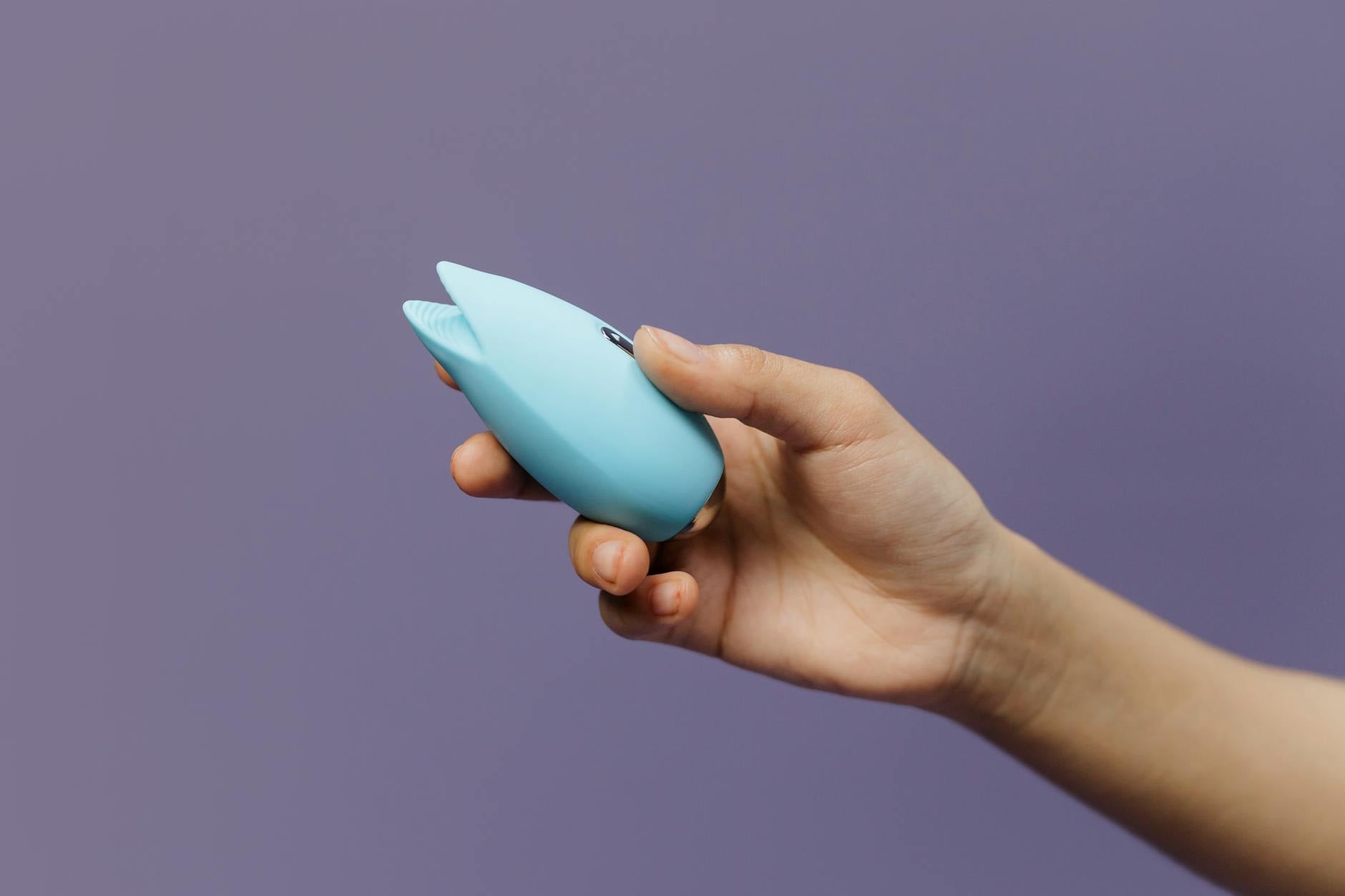
Here's what nobody tells you about your clitoral sensitivity window
Your 20s and 30s are the sweet spot for clitoral sensation. This isn't metaphorical. Between ages 20 and 35, clitoral nerve endings are at peak density, blood flow to the vulva is highest, and the tissue itself is thickest and most resilient. That means more sensation, faster response time, and stronger orgasms. The data backs this up. Then the window starts to narrow.
The problem: most traditional vibrators weren't designed with this specific sensitivity curve in mind. They rely on pure vibration intensity, which works, but misses the point. A lemon vibrator's suction-based mechanism actually matches your body's actual capacity during this window in ways buzzers and wands simply can't.
Why suction beats vibration for your age group
When you're in your peak sensitivity years, your clitoris responds differently than it will later. The tissue is more elastic, the nerve density is at maximum, and the clitoral hood retracts more fully. That creates an opportunity that conventional toys don't exploit.
Traditional vibrators apply sustained, direct contact. They're fast, they're reliable, and they work. But they don't account for the fact that your sensitivity in your 20s and 30s is actually too acute for sustained pressure sometimes. You can experience fatigue or numbness if the vibration is constant, even if it feels good initially.
Suction works differently. The mechanism pulls gently on the tissue, stimulating the thousands of nerve endings around the clitoral body without the relentless friction. For someone at peak sensitivity, this creates a wave pattern instead of a flat line. Your nerve endings fire, rest slightly, and fire again. That rhythm actually matches how your neurochemistry works at this age.
The nerve density advantage you have right now
Here's the clinical fact: clitoral nerve density is highest before age 40, and highest of all in the 25-35 range. Those nerves are exquisitely sensitive. They're also, frankly, sometimes too sensitive for aggressive stimulation.
The clitoris has roughly 8,000 nerve endings concentrated in an area smaller than a pea. In your 20s and 30s, all of those are firing efficiently. You can feel micro-variations in pressure and rhythm that you might not notice at other ages. A lemon vibrator's multi-level intensity settings are designed with this in mind. You can start at level one and actually feel something. You don't need to skip straight to maximum.
By contrast, many traditional vibrators have dead zones in their lower settings, which is why people assume they need high intensity. With a clitoral vibrator like the Lem, your peak sensitivity years mean those lower settings are genuinely pleasurable, giving you more control and more variation.
How tissue elasticity changes the game
Your vulval tissue is at peak elasticity in your 20s and 30s. This matters because the way the clitoral hood moves and retracts during arousal directly impacts which nerve endings get stimulated.
With a lemon clitoral vibrator, the suction mechanism works in partnership with this natural elasticity. As you arouse, tissue changes slightly, and the suction responds to those micro-shifts. You're not fighting against the toy or over-compensating with pressure. You're working with your body's actual mechanics.
This is particularly important if you're someone who's finding that traditional vibrators feel like they numb you out. That's actually a common report from people in their peak sensitivity years using toys designed for a broader, less sensitive audience. A lemon vibrator's gentle suction approach feels like a different experience entirely, because it is.
Blood flow and arousal speed in your 20s and 30s
Your cardiovascular system is also at peak efficiency during this window. Blood reaches your genitals faster, arousal builds quicker, and you can maintain arousal longer without effort. Physiologically, you're operating in your body's optimal mode.
This means you don't need a toy that's fighting your natural speed. If anything, you need one that can keep up with your arousal without causing overstimulation. A lemon vibrator's variable intensity system works here because you can adjust on the fly. Start lower, escalate as you arousal builds, and you're syncing with your body's natural rhythm, not fighting against it.
Many people in this age group report that they actually prefer the control and responsiveness of suction-based stimulation. That's not coincidental. It's because your sensitivity is at a threshold where nuance matters more than sheer power.
What changes as you move out of this window
I'm not saying this to be depressing. I'm saying it so you understand what you have right now and why it matters. Between 35 and 40, clitoral nerve sensitivity starts to decline slightly. Not disappear. Decline. By menopause, the tissue changes significantly. This is why understanding your current body is valuable.
For people in their 20s and 30s, investing in a toy designed for precision and sensitivity makes sense. A lemon vibrator is engineered for the exact physiological profile you have right now. As things change (whether that's years from now or due to medication, stress, or other factors), your approach might shift. But right now, your body is telling you something about what it needs, and suction-based clitoral vibrators listen to that.
How intensity levels actually work for your sensitivity
Most vibrators come with 5-10 intensity settings. The assumption is that users will need to climb the ladder toward high settings. That's backwards for peak sensitivity years.
With a lemon clitoral vibrator, the entire intensity range is useful. Level 1 is actually perceptible and pleasurable. Levels 2-4 feel like progression, not like you're missing something. This gives you the control to explore what your body actually wants instead of defaulting to maximum because minimum feels like nothing.
You're also less likely to experience the