Let's talk about what surgery actually does to your body
Major surgery—whether it's abdominal, gynecological, or anything that affects the pelvic region—changes how your body responds to touch. Not just at the surgical site. The nervous system, which controls arousal and sensation, gets disrupted during anesthesia and trauma. Scar tissue forms. Blood flow takes time to normalize. And if you're on pain medication, that adds another layer of numbness on top.
Here's what I hear from clients most often: "I thought I'd be fine once the pain stopped. But pleasure just... isn't there anymore." That's not broken. That's normal post-surgical recovery. But it's also reversible.
The nervous system needs time to remember sensation
Your clitoris has 8,000 nerve endings packed into a space the size of a pea. During surgery, even if the clitoris itself wasn't touched, the surrounding tissue, blood vessels, and nerves all experience shock. Anesthesia temporarily silences the entire nervous system. When you wake up, those nerve pathways need to relearn how to fire in sequence.
This is why sensation often feels dulled or absent in the first weeks after surgery. Your body is in triage mode. Blood is going to healing. Energy is going to scar tissue remodeling. Pleasure is not the priority.
But around 4-8 weeks post-op (once your surgeon clears you), the nervous system starts normalizing. That's when many people try to jump back into their old patterns and hit a wall. Friction-based vibrators that worked before feel either numb or uncomfortably intense. The tissue is still healing. The nerve pathways are still reorganizing.
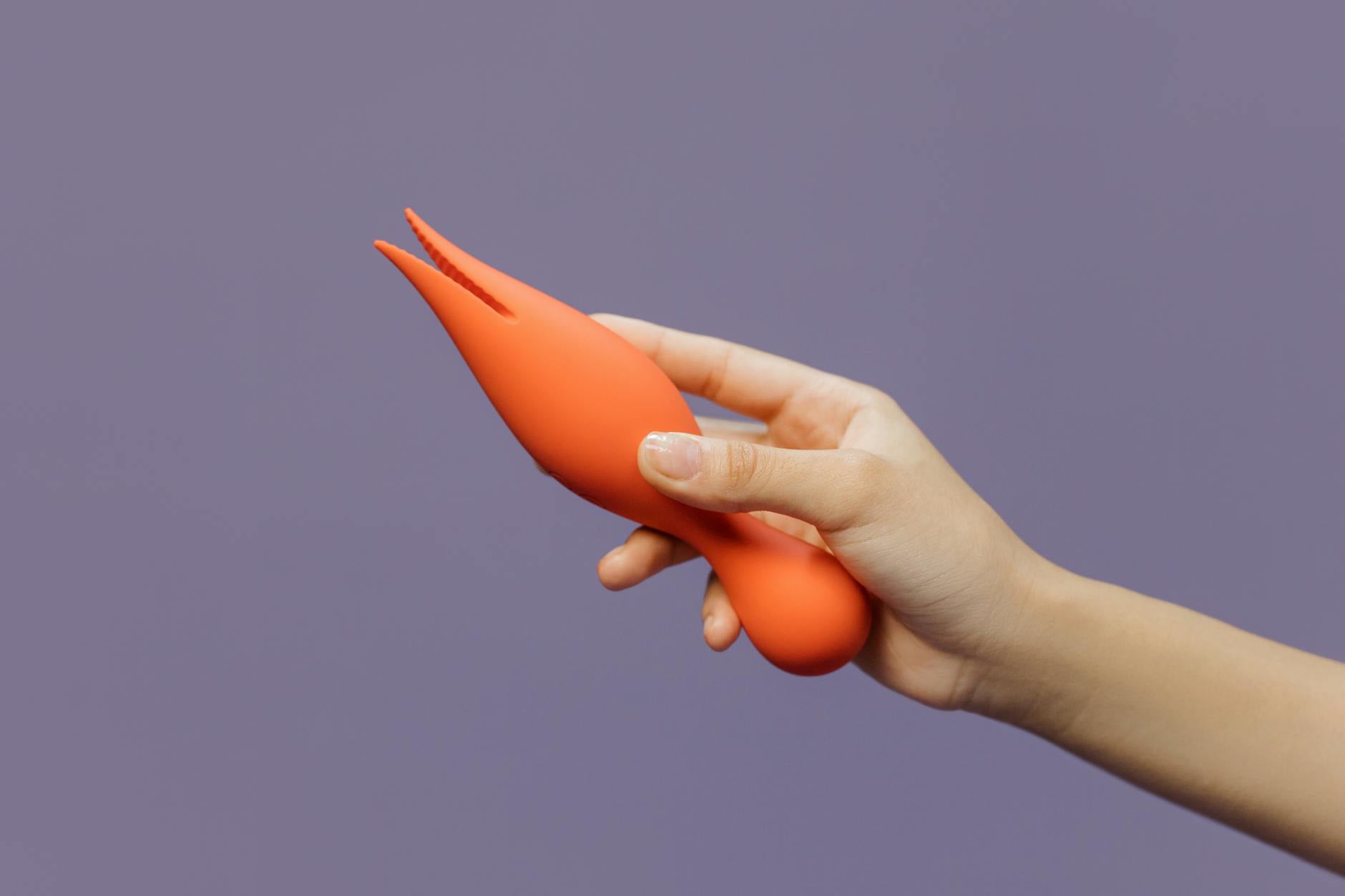
Lemon vibrators, specifically the suction-based design of the Lem, work differently. Instead of pressing into tissue, they create a gentle pulling sensation that wakes up nerve endings without the mechanical friction that can irritate healing tissue.
Why suction beats friction during recovery
There are three reasons lemon suction vibrators outperform traditional clitoral vibrators when you're rebuilding sensation:
First, suction doesn't depend on direct friction. Healing tissue is sensitive. Even if pain has resolved, the nerves are inflamed. A standard vibrator creates rhythmic pressure that, even at low intensity, can feel like too much. Suction works differently. It stimulates the nerve cluster without grinding against the tissue. This is crucial when you're three months post-op and everything still feels slightly swollen.
Second, suction activates a different nerve pathway. The clitoris has both pressure-sensitive nerves and movement-sensitive nerves. Friction vibrators activate mainly pressure sensors. Suction activates movement sensors, which is why the sensation often feels more diffuse, less sharp, and easier to tolerate during recovery. For post-surgical bodies, that difference is enormous.
Third, suction creates a seal that allows for micro-adjustments. You can control intensity by the intensity setting and by repositioning slightly. This gives you agency. Traditional vibrators are kind of all-or-nothing. With a lemon clitoral vibrator like the Lem, you can start at setting one, which is honestly gentle, and work up as your body tolerates it.
The timeline: when to start and how
I always tell clients to get full clearance from their surgeon before attempting anything sexual. But here's what the research shows about post-surgical timeline:
Weeks 1-4: No penetration, no external stimulation. Rest. Scar tissue is forming. The nervous system is still in shock. If you're curious about sensation, hand exploration only. No tools.
Weeks 5-8: Light external touch is usually okay if pain is resolved. This is when you might try gentle exploration with a lemon vibrator at the absolute lowest setting. Pattern 1 on the Lem is barely perceptible. It's not meant to be orgasmic. It's meant to remind your nervous system what sensation feels like.
Weeks 8-12: Assuming no complications, you can increase intensity and duration. Many people find that patterns 2 and 3 start feeling good. Orgasm may or may not happen at this stage. That's fine. Rebuilding sensation is the goal.
Weeks 12+: Your body is largely healed. Scar tissue is still maturing, but the worst of the inflammation is gone. Many people can return to their baseline around 16 weeks post-op, though full sensation recovery can take 6-12 months.
The key is patience. And the Lem's multiple intensity settings let you honor that timeline without feeling like you're failing.
Why other vibrators fall short
Standard vibrators assume your tissue is resilient. They press. They vibrate. They work great when you're healthy. But post-surgical tissue isn't resilient. It's thickened by inflammation. The nerve endings are overactive in some spots and dead in others. You need something that coaxes sensation back without demanding it.
Wand vibrators are too broad and often too intense. Bullet vibrators create isolated pressure that can feel sharp on healing tissue. Even app-controlled vibrators that promise customization often bottom out at an intensity that's still too much for someone six weeks post-op.
Lemon suction vibrators sit in a middle ground. Gentle enough for recovery. Sophisticated enough to grow with you as sensation returns. Many of my clients report using their Lem frequently in the months after surgery, then continuing to use it long-term because they genuinely prefer the sensation.
The emotional layer you can't ignore
Here's what gets missed in most post-surgical recovery guides: your brain is also recovering. Surgery is trauma, even when it's necessary. It's common to feel disconnected from your body, anxious about sensation, or grieving the version of yourself from before surgery.
Pleasure isn't just physical. If you're mentally braced for pain, or angry at your body, or scared that things won't go back to normal, your nervous system picks up on that and stays locked down. Pleasure requires a kind of surrender that trauma prevents.
That's why I recommend rebuilding sensation slowly, without pressure. A lemon vibrator like the Lem can be part of that, but so can therapy, so can conversations with your partner about what you need, so can giving yourself permission to not be fine yet.
The role of lubrication
Post-surgical tissue often has reduced natural lubrication. This is especially true if surgery involved hormone-sensitive areas. Water-based lubricant becomes essential. Not because you're broken, but because healing tissue deserves that ease.
I recommend water-based because it plays well with silicone toys and feels the most natural. Reapply every few minutes. This isn't foreplay. It's self-care. Make it part of your ritual.
What to watch for
If you feel sharp pain, increased swelling, or prolonged tenderness after using a vibrator, stop. That's your body saying it's not ready. The goal isn't to push through discomfort. It's to gently rebuild.
Contact your surgeon if pain escalates or discharge changes. Most of the time, you've just jumped the timeline by a week or two. Back off. Try again in two weeks.
If sensation doesn't start returning by 12 weeks post-op, that's worth discussing with your doctor. Nerve damage from surgery is rare but possible. Your surgeon can refer you to a pelvic floor specialist who can assess whether nerve blocks, topical treatments, or physical therapy might help.
FAQ: Post-Surgical Sensation and Lemon Vibrators
When is it safe to use a vibrator after surgery?
Most surgeons clear you for external stimulation around 6-8 weeks post-op, assuming pain has resolved and there's no infection or unusual swelling. Always ask your surgeon directly. If you had gynecological surgery, you might get clearance slightly sooner than if you had abdominal surgery that affected the pelvic region. Start slowly, even if you feel ready.
Why does sensation feel numb so long after surgery?
Anesthesia paralyzes your nervous system temporarily, but the effects linger. Inflammation from surgical trauma keeps nerve endings inflamed and less responsive. If you're on opioids, those suppress all sensation. Once the immediate pain resolves and you taper medications, sensation usually starts returning within weeks. If it doesn't, that's worth investigating with your surgeon or a neurologist.
Can using a lemon vibrator too early cause damage?
Unlikely, but it can cause setbacks. If tissue is still healing, vibration can increase inflammation and actually delay sensation recovery. That's why starting at the lowest intensity and shortest duration matters. Think of it as coaxing, not pushing.
Should I use a lemon vibrator alone or with a partner?
Honestly, solo is usually better in the first few months post-op. No performance pressure. No one watching to see if things are "working." You can focus on what actually feels good, not on what's supposed to happen. Partners can absolutely be involved later. But early recovery is a good time to rebuild a relationship with your own pleasure, not someone else's expectations.
What if I'm still numb six months after surgery?
That's worth escalating to your doctor. Prolonged numbness can indicate nerve damage, which is rare but possible depending on the surgery. A pelvic floor physical therapist can assess whether the nerves are intact but inflamed (treatable) or actually damaged (requires different interventions). Don't assume it's permanent just because time has passed.
Is it normal that my orgasms feel different now?
Completely normal. Surgery changes your anatomy slightly. Scar tissue, even minimal, can change the path of stimulation. Your nervous system has been reset. The way pleasure builds might be slower, or more localized, or require different pressure than before. That's not worse. It's just different. Many people find their orgasms are actually more intense post-recovery, once sensation fully returns. Give yourself time to get to know this new version of your body.
The bigger picture: pleasure is part of healing
Most post-surgical recovery guides focus on pain management and mobility. They rarely mention pleasure or sexual recovery. But pleasure is part of healing. It means your nervous system is recalibrating. It means you're reconnecting with your body. It means you're moving from trauma back toward wholeness.
Lemon vibrators work better for this because they meet you where you are. Gentle enough for early recovery. Complex enough to evolve with you. No judgment, no pressure, just a tool designed for the clitoris's actual anatomy.
If you're navigating this now, be patient with yourself. Your body went through something hard. Sensation will return. It might take longer than you want. But it will. And when you're ready to rebuild, you have options that actually work for post-surgical bodies.
If you have questions about how to support your partner's recovery, or you need guidance on rebuilding intimacy after surgery, reach out. This is exactly what I help couples work through.