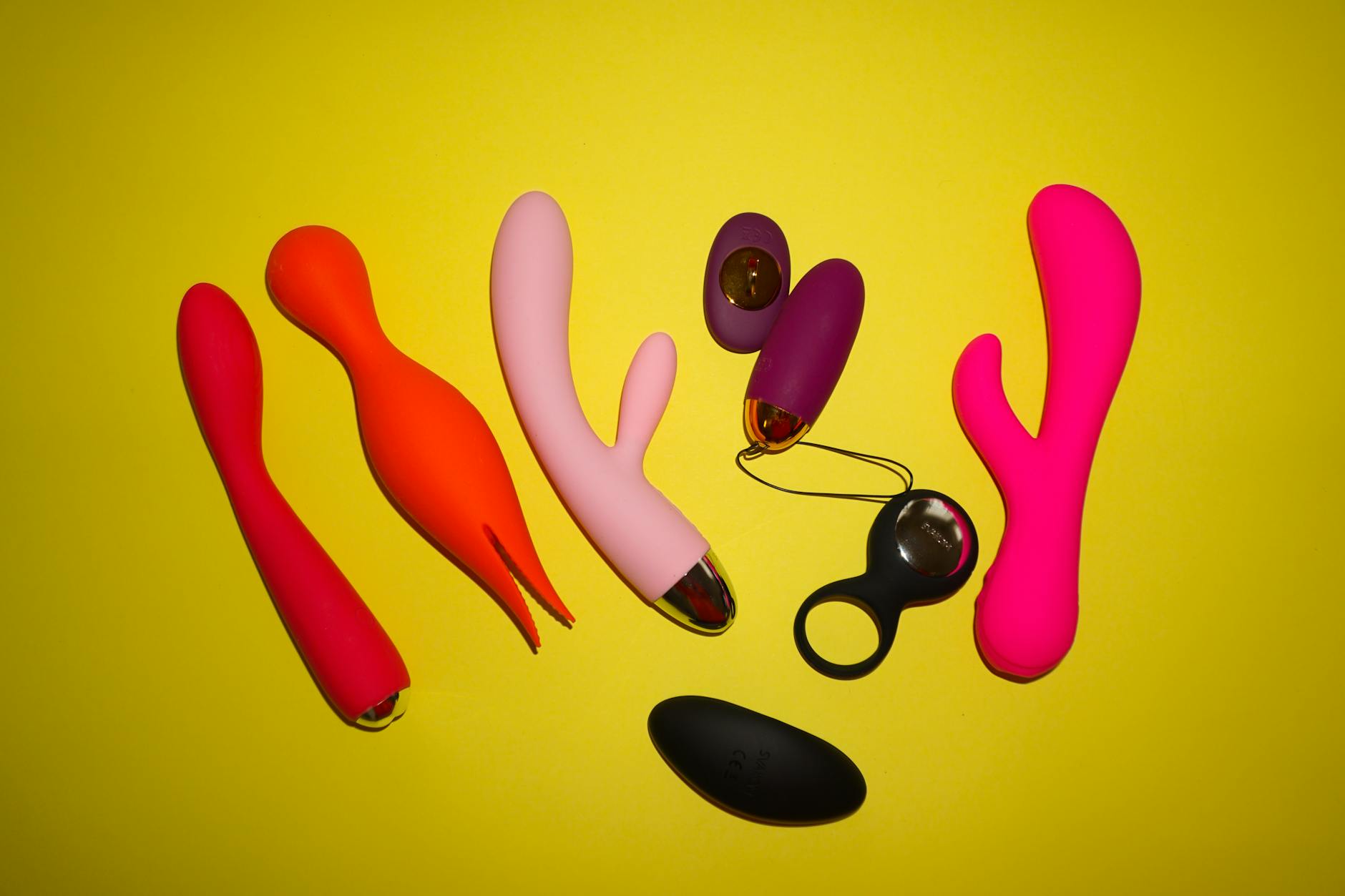
The conversation nobody wants to have (but needs to)
Here's the thing. One of you wants to introduce a vibrator. The other one is thinking, "Does this mean I'm doing something wrong?" That gap right there. That's where most couples get stuck.
I've worked with hundreds of couples in this exact position. The person suggesting toys usually frames it as, "It would feel amazing." Which is true. But the partner hears, "You're not doing it right." Neither of you is lying. You're just speaking different languages, and vibrators get caught in the middle.
The reframe that actually works: A clitoral vibrator isn't a replacement. It's a translator. Your body speaks pleasure in a certain pattern. A device like the Lemon clitoral vibrator speaks that pattern fluently in ways hands and bodies sometimes can't. That's not a judgment on anyone. It's just physics.
Why your partner is really worried
Most of the insecurity around toys comes from one of three places. Recognizing which one yours is stuck in changes how you talk about it.
The performance anxiety angle. Your partner thinks, "If she needs a vibrator, I'm not doing my job." This usually shows up as, "I can make you come without that," or "I don't need toys." It's competitive framing, and it makes perfect sense. They've been told (by culture, by porn, by ex-partners, by their own brain) that their body should be enough. Toys feel like proof it's not.
The intimacy angle. "If you use that alone, doesn't that mean you don't want me?" This one comes from conflating pleasure with preference for them. They worry that self-pleasure or partnered pleasure with a toy means less connection, less desire for them specifically. It's tender, and it's usually coming from genuine attachment.
The identity angle. "I've never done this before. What does wanting to try make me?" Some partners carry shame or uncertainty about sexuality that has nothing to do with you. Toys can trigger that for reasons completely unrelated to the relationship. It's worth asking about separately.
The conversation that changes everything
Don't start with the toy. Start with the desire.
Instead of "I want to try a vibrator," try, "I've been thinking about what would help me experience more pleasure when we're together, and I'd like to explore that with you." Notice the difference. One is about the object. One is about wanting more of something good with them.
Then listen. Let them say the worried thing. Let them name it. "I'm worried that means you think I'm not enough," is a real sentence that deserves a real answer. Not a reassurance. An actual explanation.
Try something like: "What I know is that my body has patterns. Sometimes those patterns take a while to build. Sometimes they need a certain kind of stimulation. That's not about you being not enough. That's about my nervous system. And what I want is to feel that pleasure while you're with me. That's the opposite of leaving you out. That's inviting you in."
This is where it gets good. You're not debating whether toys are okay. You're telling him or her what you actually want, and you're saying they're part of it.
How lemon vibrators specifically help this situation
There's something about air-suction clitoral vibrators like the Lemon that changes the dynamic. They work differently than traditional vibrators, and that difference matters when your partner is already nervous.
First, they're not replacing anything. You can't use them without your partner's hands, mouth, or body involved. The stimulation works best with the person you're with touching you, kissing you, or inside you while you use it. That's built-in integration. It's not an either-or device. It's an and device.
Second, the sensation is gentler than most expect. People assume vibrators are intense and invasive. The Lemon's suction pattern is more like a focused sensation than a buzzing intrusion. It's responsive, not overwhelming. Your partner can see and control exactly what's happening. That visibility kills a lot of the fantasy they might have built up in their head.
Third, it's fast. Most women with a clitoral vibrator can come in 3-5 minutes. Your partner gets to watch you come. You feel present and connected, not lost in a solo experience. That flips the narrative entirely. Suddenly they're not worried about being replaced. They're witnessing something they thought might take forever happen right in front of them.
The practical setup that matters
You need three things: a quiet moment, genuine curiosity from both of you, and a clear boundary that this is exploration, not a test.
Start with your partner holding the device. Not you. Let them feel how it works. Let them apply it while you're together. You're in control of the sensations, they're in control of the tool. That's partnership, not replacement.
You might say something like, "I want you to see what this feels like. I'm going to guide you, and you're going to feel how my body responds." Now you're teaching them something new about you. You're not hiding. You're inviting them into your pleasure in a way you couldn't before.
Give yourself permission to take your time. Foreplay, kissing, talking. The vibrator isn't the whole experience. It's one part. Most of the time, you'll use it for maybe five to ten minutes, and your partner is touching you, kissing you, or inside you the whole time. It feels shared because it is.
When they're still resistant
If after the conversation and the experience, your partner is still insecure, you're dealing with something deeper than toys. That's when you're looking at anxiety, past experiences, or relationship issues that toys alone can't fix.
That's also not your problem to solve by avoiding the vibrator. That's their thing to work through, ideally with a therapist or relationship coach. You can be supportive. You can go slow. But you can't convince someone into secure attachment. They have to do that work.
What you can do: Keep using the vibrator when it feels good. Keep inviting them into it. Keep being patient, but also keep being clear about what you want. Over time, many partners move from insecure to curious to enthusiastic, simply because they see that the toys make you feel amazing and that you still want them in the room.
If you're looking for guidance on navigating the bigger relationship shifts, our article on how to use lemon vibrators when emotional intimacy feels strained walks through some deeper questions.
The truth they need to hear
Your partner's insecurity usually isn't about the toy. It's about whether you still want them. That's the real question. Answer that first, and the vibrator becomes just a tool.
Say it directly: "You are the person I want this with. That's not going to change because of a device. What might change is how often I orgasm, how satisfied I feel, and how much I want you in this with me. Those are the things the vibrator fixes. But the core of this is that I want more pleasure and more connection with you. That's why I'm asking for this."
That's not a lie to make them feel better. That's usually the actual truth. Pleasure is relational. You want it with them. A clitoral vibrator just makes that pleasure more accessible.
FAQ: The questions couples actually ask
Will using a vibrator with my partner make the vibrator feel better than their touch?
No. They're different sensations. A vibrator gives you speed and consistency that hands can't. Your partner gives you presence, intimacy, and responsiveness a device never will. Most couples find they want both, and they want them together. One doesn't erase the other.
Should my partner feel bad if they can't make me come without a vibrator?
Absolutely not. Lots of people need specific kinds of stimulation to orgasm, regardless of their partner's skill or effort. It's not a performance metric. It's just biology. Some people need 20 minutes of foreplay. Some need a specific angle. Some need a vibrator. None of those things are reflections on the partner.
What if my partner says they want to use the vibrator on me but then makes me feel weird about it?
That's mixed messaging, and you're right to notice it. You might say, "I notice you're hesitant. What's coming up for you?" Sometimes people need permission to like the things they like. Sometimes they need reassurance that they're not weird for being curious. Sometimes they're not actually ready, and that's information you need. Don't force it.
Is it okay to use a lemon vibrator during partnered sex without asking first?
Yes, if you've already established that you both want to. No, if you haven't talked about it. The conversation comes before the tool. Once you've had it and explored it together, you can introduce it into sex more naturally. But the first time should be a planned moment, not a surprise.
How do I know if my partner's insecurity is something we can work through together?
If they're willing to talk about it, try it, and reflect on it afterward, you're probably fine. You're working in the same direction. If they shut down conversations about it, refuse to try, or use it to blame you for wanting more pleasure, that's a different situation. That's avoidance, and avoidance on intimacy usually points to bigger relationship patterns.
What if I want to use the vibrator solo sometimes?
You can. You're allowed. It's worth having that conversation separately from partnered use, though. "When we're together, I want to use it with you. Sometimes when I'm alone, I might use it for myself." That's clear and it honors both your autonomy and the partnership. Most secure partners respect that distinction.
The thing they should know
Sex is collaborative. That's the frame that makes this work. It's not you versus them versus the toy. It's all of you figuring out how to feel better together. Some couples need toys to do that. Some don't. Both are fine.
But if you need a vibrator and you're avoiding it because your partner is insecure, you're sacrificing your pleasure to manage their anxiety. That's not partnership. That's enabling. A good partner wants you to feel good, even if it requires them to get comfortable with something new.
Give them time. Explain yourself clearly. Invite them in. And then use the vibrator. Watch what happens when your partner realizes that your pleasure, their presence, and a device designed to help you feel amazing can all exist in the same moment. That's when insecurity usually flips to curiosity, and curiosity usually flips to enthusiasm.
You might also explore how to introduce lemon vibrators into a new relationship if you're thinking about patterns for future connections, or check out how to use lemon vibrators when your partner isn't interested in toys if resistance runs deeper.