Let's name the thing nobody wants to talk about
Your partner isn't initiating like they used to. Maybe it's stress, maybe it's health stuff, maybe you've drifted. Whatever the reason, you're stuck in a loop: waiting for them to want you, feeling rejected when they don't, and watching your own desire tank in the process. That's the real trap of mismatched libidos. It's not that one of you is broken. It's that waiting passively for someone else's desire kills your own.
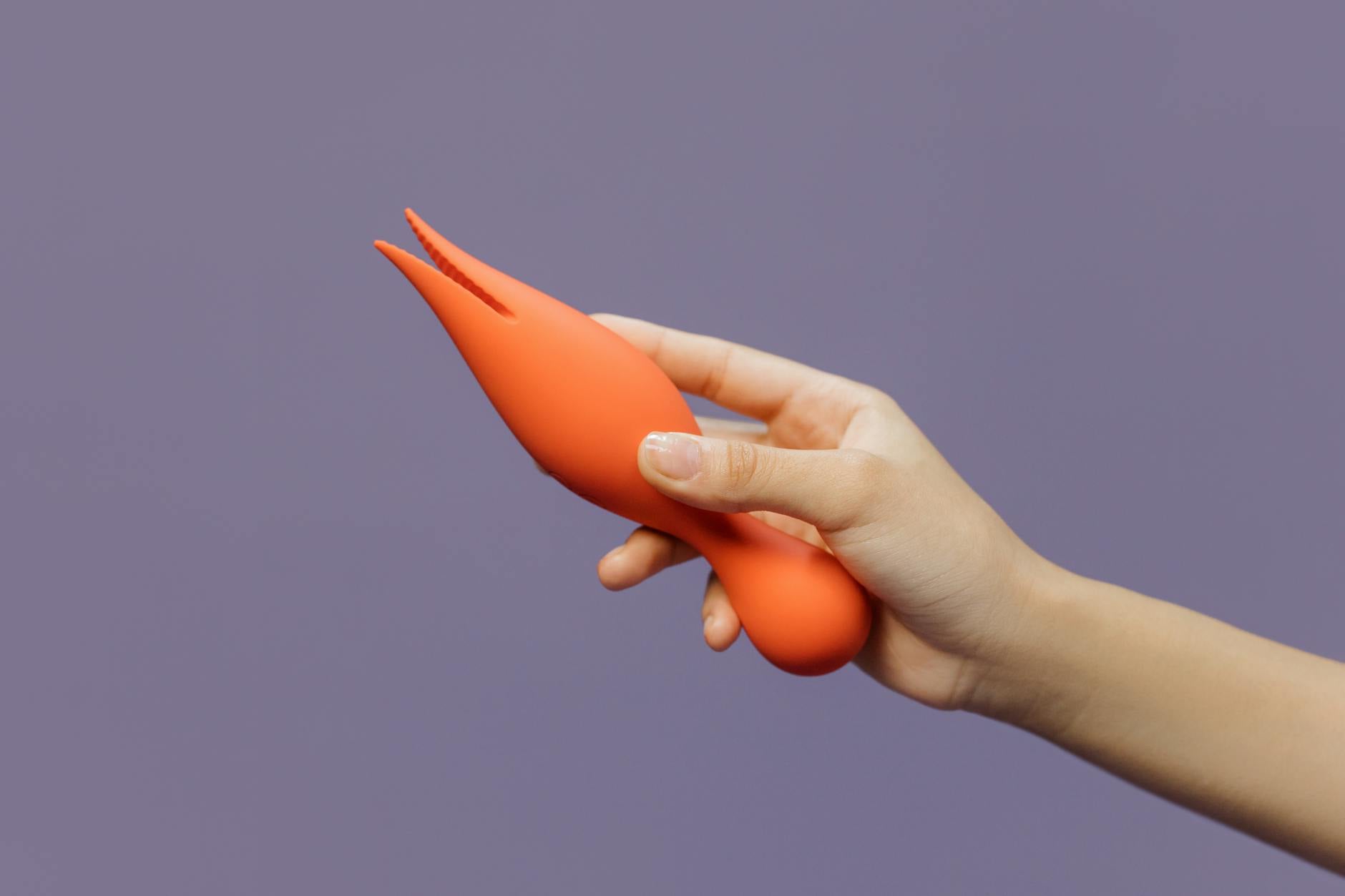
Lemon vibrators aren't a band-aid for this. But they're a way to reclaim your pleasure while you and your partner figure out the deeper stuff.
Why this matters more than you think
Here's what the research shows: couples where one person stops initiating don't suddenly reconnect through "more communication" alone. They reconnect when the person with lower desire stops feeling pressured, and the person with higher desire stops waiting around feeling resentful. That second part is where Lemon clitoral vibrators come in.
When you're used to being the pursuer in a relationship, claiming solo pleasure feels transgressive. Maybe you worry it'll hurt your partner, or make you "less available" to them, or signal that something's wrong. None of that is true. What's actually true: reclaiming your own pleasure cycle makes you less resentful, less desperate, and more magnetic. People are attracted to people who feel good in their bodies. Not in a manipulative way. In a basic neurological way.
Mismatched initiation doesn't mean your relationship is failing. It means you've both stopped tending to desire as something you each own.
The initiation imbalance trap
When one partner consistently initiates and the other doesn't, three things happen:
First, the pursuer starts to associate sex with rejection. Every time you reach for your partner and they're not in the mood, your nervous system learns: intimacy is risky. Your brain starts pulling back before your partner even has to say no. You initiate less. And then your partner feels less desired, which tanks their desire further. It's a feedback loop that looks like incompatibility but is actually just two people scared to want.
Second, the pursuer's pleasure becomes tangled up in the other person's response. You stop having orgasms for your own sake and start having them as proof your partner wanted you. That's exhausting. It also doesn't work. No orgasm is satisfying when it's doing emotional labor.
Third, resentment calcifies. After a year of initiating and being turned down, you're not really asking your partner for sex anymore. You're asking them to prove they love you. And they can feel that. Which makes them want sex even less, because now it's fraught with obligation.
The way out isn't waiting for your partner to suddenly want you more. It's remembering that your pleasure doesn't require their participation.
How Lemon vibrators shift the dynamic
Using a clitoral vibrator like the Lemon isn't about replacing your partner. It's about interrupting the cycle.
When you start prioritizing your own pleasure separately, three things shift:
You stop desperation-seeking from your partner. Your body isn't starving for touch anymore because you're giving it what it needs. That makes partnered sex, when it happens, feel collaborative instead of combative.
Your partner stops feeling like the gatekeeper of your pleasure. This is counterintuitive, but it's real: people with lower libidos often feel immense pressure when they know their partner is waiting on them. Using a vibrator removes that pressure. Suddenly your partner can want sex because they actually want it, not because they feel obligated.
You learn what you actually like. Mismatched desire often gets tangled up with mismatched preferences. Maybe your partner prefers slower, longer foreplay. Maybe they like different patterns of stimulation than you do. When you use a clitoral vibrator solo, you get to know your own body without compromise. Then when you're with your partner, you know what you're actually asking for.
Setting this up without creating new distance
Honesty matters here. Using a vibrator doesn't have to be secret, and usually, it shouldn't be.
The conversation doesn't have to be a whole thing. Something like "I've noticed we're both in our heads about sex lately. I'm going to start doing more on my own so I'm not putting pressure on you, and so I'm not feeling so resentful. Hope that's okay." Most partners feel relief, not rejection, when you say this.
If your partner seems threatened, that's usually not about the vibrator. It's about something deeper, like feeling like they're not enough or fear that you're pulling away. That's a different conversation, and it's worth having with honesty: "I'm not leaving. I'm actually trying to feel better in my own body so we can both relax around sex." That's often true.
Some partners actually want to be part of it. Some want to know you're using a Lemon vibrator and ask to watch or join sometimes. Some prefer total separation. All of that is workable. The key is that your pleasure stops being contingent on their participation.
The pattern reset that actually works
When you start using a clitoral vibrator regularly, your baseline changes. You're not white-knuckling through weeks without touch. You're not projecting desperation. Your nervous system gets what it needs: regular pleasure, predictable sensation, control over your own experience.
That's when partnered desire often returns, but not because you tricked your partner into wanting you. It returns because both of you relaxed. Your partner doesn't feel hunted. You don't feel rejected. Sex becomes something you both can want again, separately and sometimes together.
This might take a few weeks or a few months. Your body won't flip a switch overnight. But if you've been in a pursuer role for a while, you might be surprised how quickly your nervous system settles when you give it permission to pursue itself.
When your partner asks to join
If your partner does want to use a Lemon vibrator with you or on you, that's wonderful. You already know your body better now, so you can actually ask for what you want. "I like the pattern on setting three, but slower. Can you try that?" This kind of specificity makes sex better for both of you.
Some couples find that using a vibrator together actually reignites desire because it removes the performance pressure. You're not trying to get each other off through friction alone. You're collaborating on pleasure. That changes the whole vibe.
The boundary you need to set with yourself
One thing: using a vibrator is not a substitute for addressing real relationship problems. If your partner has zero interest in sex, zero interest in intimacy, and zero interest in trying, that's a sign of something that needs attention. Maybe it's depression. Maybe it's resentment about something else. Maybe you've actually grown incompatible. None of those things are fixed by a clitoral vibrator.
But if your partner is interested in you and in sex, just less often or less spontaneously than you are, a Lemon vibrator can help you both stop spiraling. It gives you something to do besides wait. And waiting is what kills desire in both of you.
Your pleasure matters. Not as a way to convince your partner to want you. But as a full stop. It's yours. Claim it.
FAQ
How often should I use a vibrator if my partner and I have mismatched libidos?
There's no magic frequency. The point isn't to replace your partner. The point is to interrupt the cycle of desperation and resentment. Some people find three times a week works. Some do it daily. Listen to your body. If you're doing it as a substitute for asking your partner for intimacy, that's avoidance. If you're doing it because you deserve pleasure regardless, that's reclamation. The difference matters.
Will using a vibrator make me less interested in sex with my partner?
The opposite usually happens. When you're not starving for touch, partnered sex becomes more appealing, not less. Scarcity mindset makes you desperate. Abundance mindset (even abundance you're creating for yourself) makes you choosy and engaged.
Should I hide the vibrator from my partner?
Not unless you have real safety reasons to. Most partners appreciate knowing what's going on. It removes the guessing and the shame. If your partner would be genuinely upset, that's worth exploring. Are they upset about the vibrator itself, or about what the vibrator represents (that you're taking your pleasure seriously)? Those need different conversations.
What if my partner wants to use it on me but I'm not comfortable?
That's completely valid. Using a vibrator solo is different from using one with a partner. You can say yes to one and no to the other. Or you can start solo and see if partnered use feels right later. Your comfort is the only rule.
How long before mismatched desire improves?
Depends on what's causing it. If it's stress or disconnection, a few weeks of reclaiming your own pleasure often helps both of you relax. If it's health issues, depression, or medication side effects, that's a separate problem requiring separate solutions. A vibrator helps with the emotional spiral, not the root cause.
Can using a clitoral vibrator replace couples therapy?
No. If you need help, get help. A vibrator is part of reclaiming your own body. Couples therapy is about rebuilding connection. They work on different levels. You might need both.
The real shift
Mismatched desire is painful because it feels personal. But it's usually just two people whose nervous systems are out of sync, each waiting for the other to want first. The way out isn't compromise. It's reclamation. When you use a clitoral vibrator because you deserve pleasure, not because you're trying to convince your partner to want you, something shifts. You stop being the pursuer. You become someone who knows what she wants and isn't waiting around for permission to have it. That's magnetic. And often, that's what actually brings desire back into the room.