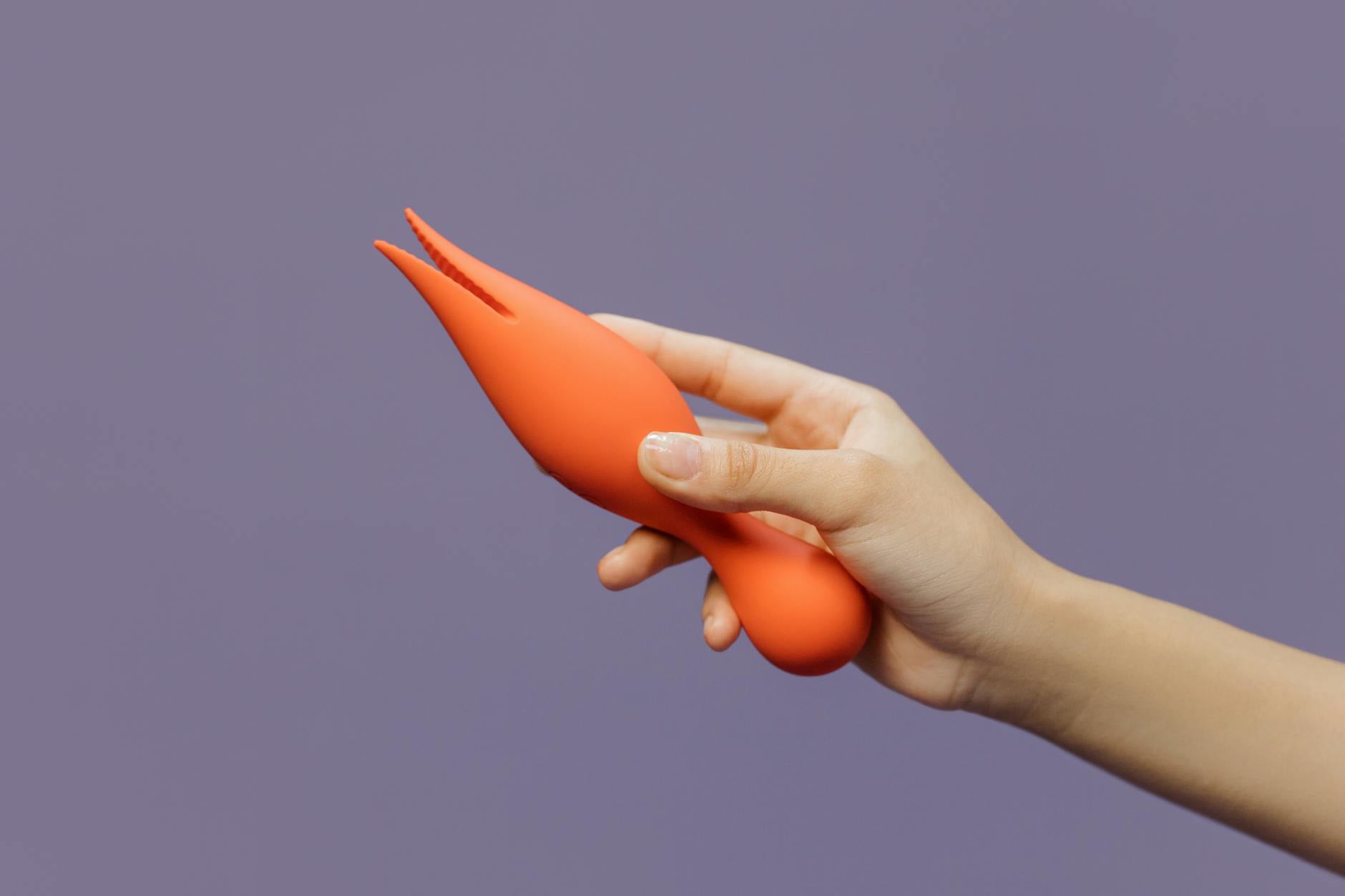
Let's talk about what actually happens when ED enters the picture
Your partner can't get or keep an erection. That's the medical fact. Here's what it's not: the end of sex, the end of your pleasure, or proof that your relationship is broken. I work with couples on this every week, and I can tell you the couples who adapt fastest are the ones who stop treating ED like a sexual emergency and start treating it like a puzzle to solve together.
The trap is obvious. Both partners slip into performance mode. He's anxious about staying hard. You're anxious about whether you're attractive enough or if you're taking too long. Neither of you is present. The irony is that ED thrives on exactly that anxiety. The pressure makes it worse, which creates more anxiety, which makes it worse again.
Lemon clitoral vibrators break that cycle because they shift focus away from penetration entirely. They say to your nervous system: "Your pleasure doesn't depend on his erection." That single shift changes everything.
Why clitoral stimulation becomes the anchor point
When penetration is off the table or unreliable, external clitoral pleasure becomes the reliable, consistent source of physical intimacy. This isn't a consolation prize. This is actually more direct. Most people with vulvas need clitoral stimulation to orgasm anyway. ED gives you permission to stop pretending otherwise.
A lemon vibrator, whether you're using it solo while your partner is present or together as part of foreplay, does something crucial: it makes pleasure predictable again. You know what sensation will arrive. You know roughly how long warmup takes. You can focus on connection instead of managing anxiety.
This also takes enormous pressure off your partner. He gets to be present with you, to touch you, to watch you feel good, without the weight of "performing." That's profoundly intimate. Many couples tell me this becomes their favorite part of sex after ED shows up.
How to introduce it without making him feel worse
Timing and framing matter here. Don't bring up lemon vibrators in the middle of a sexual encounter when ED has just happened. That reads as "we need a backup plan because you failed," even if that's not what you mean.
Instead, bring it up in neutral time. Over coffee. During a walk. "I've been thinking about trying something that might actually feel better for both of us. Not instead of sex with you, but as part of it." The key words: "for both of us" and "as part of it." This isn't about fixing him. It's about exploring together.
Show him what a lemon clitoral vibrator actually is. Let him hold it. Explain that you want him involved. Maybe he holds it while you relax. Maybe you use it while he touches your body elsewhere. Maybe he watches. The point is: he's still essential, just in a different role.
If he resists (and some partners do initially), don't push. Instead, ask what he's worried about. Common fears: "You'll prefer it to me" (you won't), "It means we're broken" (it means you're adapting), "I'll feel inadequate" (valid, and worth naming). Name them. Reassure him. Then try again when he's ready.
The actual mechanics of pleasure during ED
Let's get practical. Here's what works for most couples:
Build anticipation first. Touch, kissing, whatever turns you both on. ED is often worse when there's no warmup. Give yourselves 15-25 minutes minimum. Let arousal build naturally.
Introduce the lemon vibrator gradually. If this is the first time, start with lower intensity. Show him how it feels. You might apply it to the outer edges of the clitoris first, then move to direct stimulation. There's no rush.
Let him participate actively. He can hold the vibrator while you guide his hand. He can use it while you kiss him. He can focus entirely on your pleasure while his own body relaxes. Sometimes that relaxation is enough for ED to resolve itself. Sometimes it doesn't. Either way, you're both getting something.
Talk about what feels good. "A little faster here." "Softer on this side." "Stay right there." Constant communication isn't clinical. It's intimate. It means you're paying attention to each other.
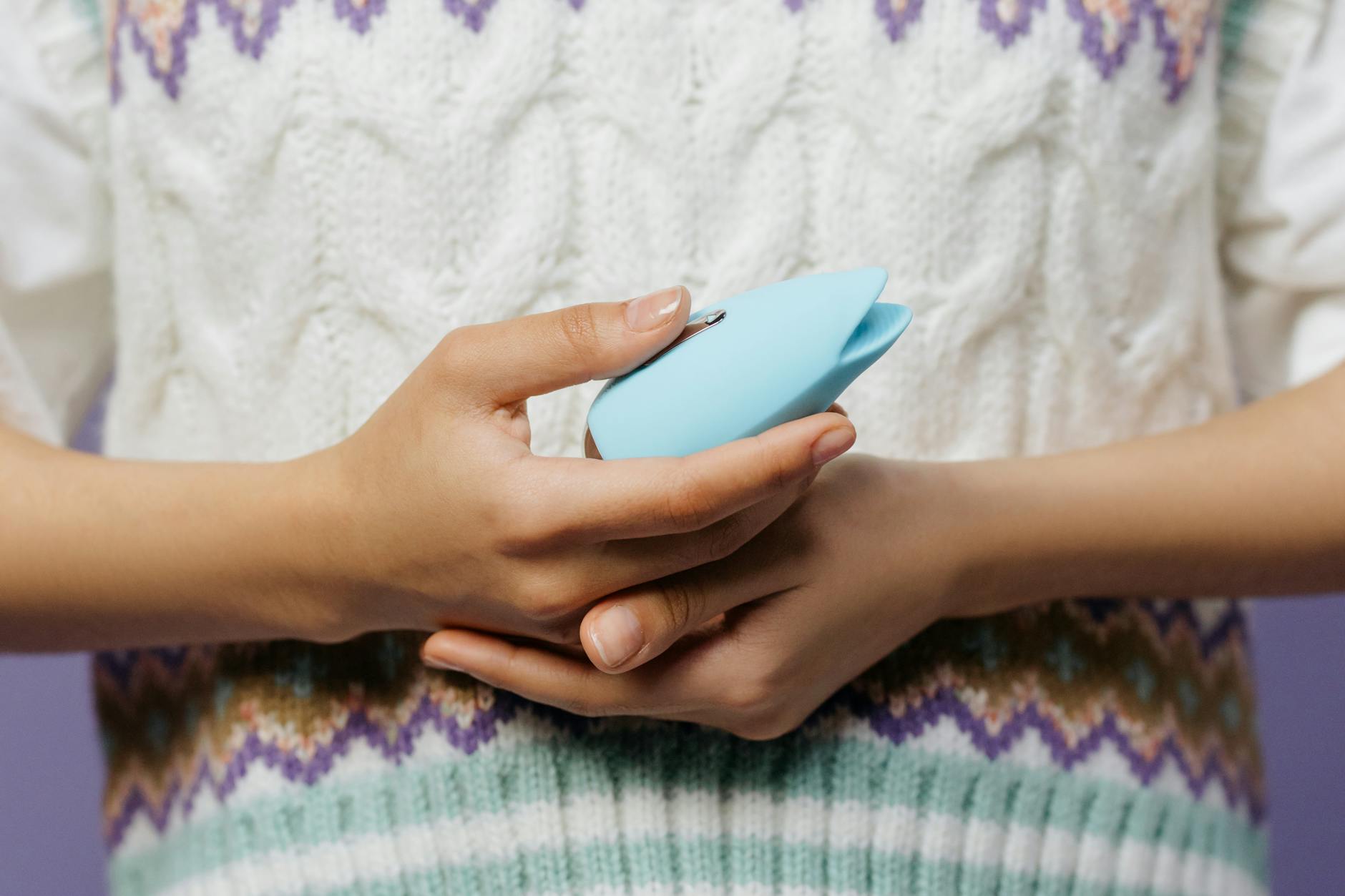
Photo by cottonbro studio on Pexels
Addressing the emotional weight
ED carries shame. Even though it's medical, even though it's incredibly common (affecting roughly 30 percent of men at some point), even though there are excellent treatments, it still lands like personal failure. Your role here is not to fix his feelings. That's his work, ideally with a therapist or doctor. Your role is to refuse to collude with the shame.
Don't apologize for having pleasure. Don't act grateful that he's "trying." Don't treat sex as a performance where he's being evaluated. Instead, be clear: "I want us both to feel good. This is how I feel good. I want you with me while that happens."
If he's resistant to that clarity, that's a sign the conversation needs to expand beyond the bedroom. You might need actual couples therapy to untangle the shame and rebuild trust. That's not weakness. That's wisdom. I've seen couples come back from ED stronger than they were before, but it requires both people willing to do the work.
Consider also that ED is often treatable. Viagra, Cialis, and other medications work for many men. If your partner hasn't talked to a doctor, that conversation is separate from this one. Medical treatment and sexual adaptation aren't mutually exclusive. You can do both.
What changes when you make this shift
Here's what I hear from couples six months into using clitoral vibrators as part of their routine:
"Sex stopped being about him maintaining an erection and started being about us both feeling good."
"I realized I could have multiple orgasms and he could be part of that without penetration."
"The pressure disappeared. When we're not fighting his anxiety, we're actually connected again."
This isn't about settling. This is about discovering a version of intimacy that was always available, just hidden behind the assumption that "real sex" meant one specific thing.
Many couples find that once ED pressure lifts, spontaneous erections return. Not always. But often. And honestly, by then, you might not need them the way you thought you did.
FAQ: ED and partnered pleasure
What if my partner feels emasculated by using vibrators together?
That's a real concern and worth taking seriously. His feelings matter. But here's the distinction: feeling temporarily insecure is not the same as the vibrator being a problem. You can acknowledge his feelings ("I understand this feels vulnerable") without abandoning your pleasure. Over time, many men find that watching their partner feel good is deeply arousing, which rebuilds confidence. If he stays stuck in shame, that's when couples counseling becomes essential.
Can we use a vibrator if he's taking ED medication?
Absolutely. Medication doesn't mean you stop exploring pleasure together. In fact, some couples use this transition time to experiment because the pressure is lower. If he's taking medication, give it time to work (usually 30-60 minutes after taking it), but vibrators add variety either way.
Will using vibrators make ED worse or better?
Neither. Vibrators don't cause or cure erectile dysfunction. What they do is remove the pressure to perform a specific way, which can actually reduce anxiety-related ED. Medical ED (related to blood flow, heart health, diabetes) needs medical treatment. Psychological ED (related to stress, shame, performance anxiety) often improves when pressure disappears.
Is it okay if I orgasm from a vibrator and he doesn't?
Yes. Completely. Sex doesn't have to be symmetrical. You don't both have to come at the same time or in the same way. If you're coming regularly with a lemon clitoral vibrator and he's present and participating, that's solid partnered sex. Period.
How do I know if this is ED or something else?
ED is specifically the inability to get or maintain an erection firm enough for penetration. But erectile issues can have many causes: medication side effects, stress, low testosterone, poor blood flow, relationship disconnection. A doctor can help narrow it down. What matters for this conversation: whatever the cause, clitoral vibrators are a useful tool regardless.
What if my partner wants to focus only on my pleasure and stop trying for penetration entirely?
That's actually a healthy adjustment if both of you want it. Some couples find that moving away from penetration altogether reduces so much pressure that they both enjoy sex more. Other couples continue trying penetration alongside other forms of pleasure. There's no correct answer. What matters is that you're both choosing it.
The bigger picture
ED is a plot twist, not a plot ending. The couples I work with who navigate it best are the ones who treat it as information. Information that penetration isn't the only form of intimacy that matters. Information that pleasure can take different shapes. Information that desire doesn't disappear just because arousal patterns change.
Lemon vibrators, in this context, are tools for that reframe. They're not substitutes for him. They're invitations to connect differently, to focus on what actually feels good instead of what "should" happen.
If you're in this situation right now, start small. Have the conversation. Show him what you're thinking about. Give it time. And if you need support navigating the emotional side, reach out to a therapist who specializes in sex and relationships. You don't have to figure this out alone.
Your pleasure matters. His presence matters. And both of those things can coexist, even when his body isn't cooperating the way it used to.