The part everyone skips in the recovery conversation
Here's what gets handed to you as you leave the hospital: discharge instructions, a script for pain meds, maybe some pelvic floor physical therapy referrals. What nobody tells you is that your sensation is rebuilding, tissue is still swollen, hormones are doing strange things, and pleasure might feel completely unfamiliar for a while. Between hormonal shifts, physical healing, sleep deprivation, and the mental load of keeping a new human alive, sex feels like it's happening to someone else's body. And honestly? That's completely normal.
The gap between "cleared for sex" and actually wanting to have sex is where most postpartum partners get confused. Your doctor says six to eight weeks, you're cleared, and then nothing happens. It's not laziness. It's not lack of attraction. It's that your body and brain need time to trust touch again.
What actually happens to sensation postpartum
Three things occur simultaneously after birth. Understanding them helps you stop catastrophizing.
Estrogen crashes. Whether you gave birth or your partner did, postpartum estrogen drops sharply. This thins the vaginal wall and reduces lubrication. The clitoris has fewer blood vessels filling with arousal blood, so the feeling of building pleasure is more muted at first. This is temporary, but it takes weeks to months to fully correct.
Prolactin spikes. If you're nursing, prolactin (the milk-making hormone) suppresses dopamine, which is directly tied to desire. This isn't a flaw in your body. It's evolutionary. Right now, your neurochemistry is prioritizing milk production and bonding over orgasms. It will recalibrate.
Tissue is still tender. Even with a vaginal birth without tearing, tissue is inflamed and sensitive for longer than you'd think. Episiotomies, tearing, or C-section incisions mean the entire pelvic floor is guarding itself. The clitoris isn't damaged, but the surrounding tissue is in protection mode.
None of this means sensation won't return. It will. But pretending it hasn't changed is like pretending a broken arm heals instantly just because the cast comes off.
Why lemon vibrators are the right tool for this phase
Most postpartum people reach for old toys, feel nothing, and assume they're broken. They're not. The issue is that standard vibrators require direct, repetitive friction on already-tender tissue. Lemon vibrators work differently.
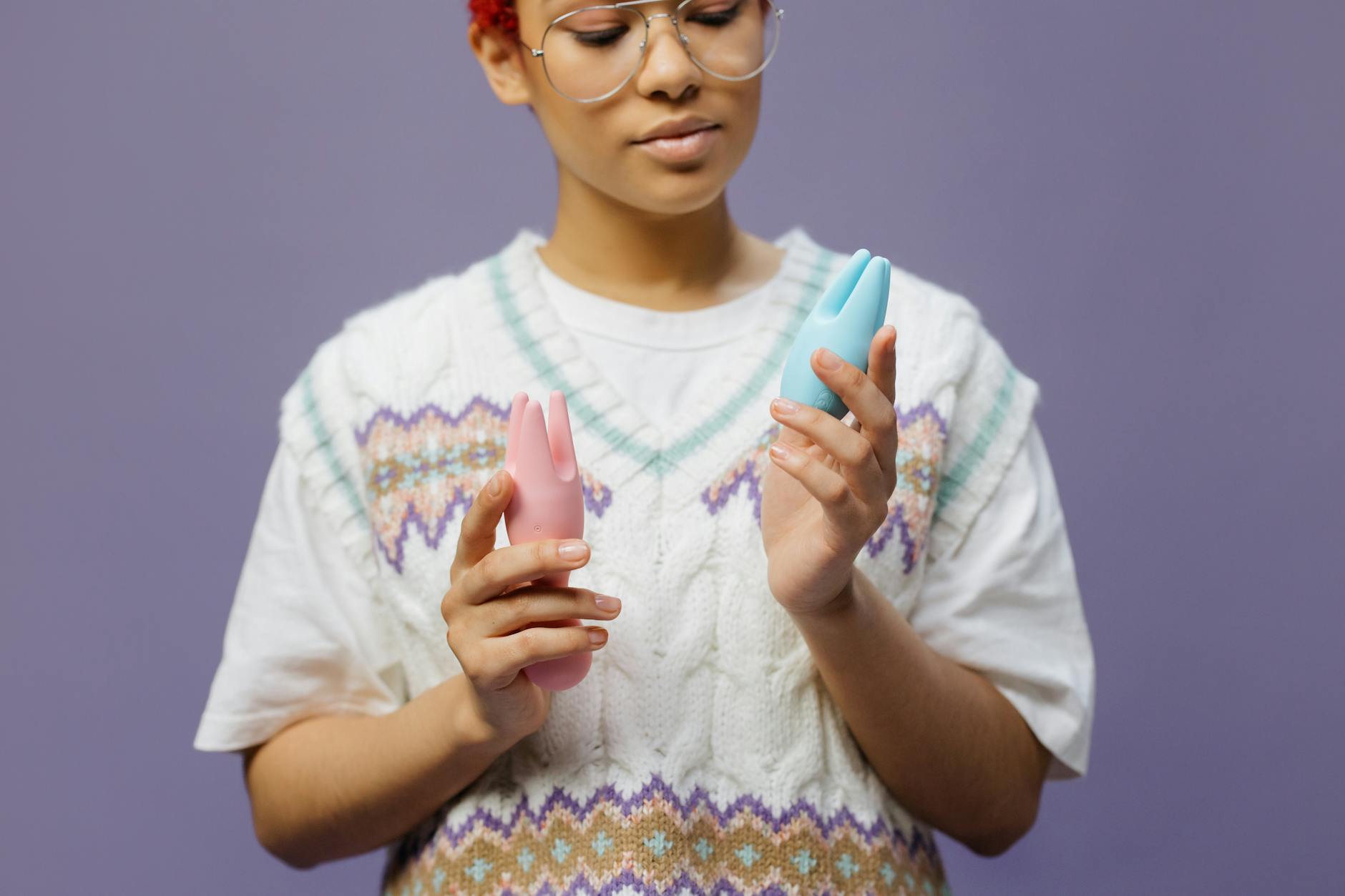
A clitoral vibrator like the Lem uses air-suction technology instead of vibration. Instead of buzzing directly against sensitive tissue, it creates a gentle pulse of suction that stimulates the clitoral nerve from a distance. For postpartum bodies, this means you get clitoral sensation without the abrasive friction that can feel sharp or uncomfortable.
The other advantage: control. You start at the lowest setting, build slowly, and stop whenever you want. There's no pressure to orgasm, no pressure to perform. You're just checking in with your body and letting sensation return at its own pace.
The first three months: what to expect
If you're in the first month postpartum, wait. Your body is still bleeding, still healing, and sex (solo or partnered) is genuinely too much. Even exploration can irritate still-inflamed tissue.
By month two, if your bleeding has stopped and your provider cleared you, gentle exploration becomes possible. Here's the practical framework:
Start clothed. Hold a lemon vibrator (or any toy) through your underwear for a few minutes. You're not trying to orgasm. You're reintroducing the idea that touch can feel good. Many postpartum people are shocked to discover they still feel pleasure, even muted. That's the win.
Move to direct contact only after a week or two of clothed exploration. Use a water-based lubricant, even if you think you don't need it. Your body might not be producing much lubrication yet, and the Lem glides better with help. Start on setting one or two. Let your body remember what arousal feels like.
If something hurts, stop. Pain is information. Sharp pain, burning, or deep ache means tissue still needs time. Return to clothed exploration or skip to next week.
The partner conversation: reframing sex in this window
Postpartum is when partnerships either deepen or fracture. The sex conversation is part of that. If you have a partner, tell them three things:
One: You're not rejecting them. You're rebuilding your relationship with your own body.
Two: Sex doesn't have to be partnered sex right now. Solo exploration with a lemon clitoral vibrator is legitimate sex. It's not a substitute for partnership. It's foundation work.
Three: Pleasure return is non-linear. You might feel great on Tuesday and nothing on Friday. Hormones are still fluctuating. Prolactin spikes with nursing and stress. Sleep deprivation wipes desire. This isn't regression. It's just the postpartum nervous system doing its job.
Many couples find that giving permission for solo pleasure actually accelerates the return to partnered sex. You learn what your postpartum body wants now, then you can communicate that.
The practical toolkit
Four things make this phase easier:
Lubrication. Water-based lube is your friend. Reapply every few minutes. Your body will eventually produce its own, but you might be waiting months for that.
Timing. Explore when you're not touched out. For many postpartum people, that's after the baby sleeps. Fifteen minutes of peace matters more than duration.
Zero expectations. Orgasm isn't the goal. Sensation is. Many postpartum people spend two to four months in a phase where pleasure feels good but orgasm doesn't happen. That's not a failure. That's healing.
Pelvic floor breathing. While exploring, breathe into your belly, not your chest. This relaxes the pelvic floor. A guarded pelvic floor blocks sensation. Slow breathing unlocks it.
When sensation doesn't return on your timeline
If you're past six months postpartum and sensation still feels numb or distant, two things are worth checking. First, talk to your ob-gyn. Sometimes retained inflammation or an undiagnosed tear needs attention. Second, consider pelvic floor physical therapy. A pelvic floor therapist can identify whether tension, scar tissue, or nerve involvement is blocking sensation.
Some postpartum people also experience postpartum depression or anxiety, both of which numb desire and pleasure. That's not a pleasure problem. That's a mental health problem, and it's treatable. Talk to your doctor.
Most postpartum people regain full sensation and desire within three to six months, though every timeline is different. Nursing extends the process slightly. Sleep debt extends it. Relationship stress extends it. None of these are permanent.
The overlooked part: your brain needs to catch up
Bodies heal faster than psyches. Your physical tissue might be ready for pleasure, but your brain might still be in protection mode. You've just survived something enormous. Your entire identity shifted. Your body broke open to create life. That's not small. It takes time to feel sexy again when you're also covered in spit-up and thinking about feeding schedules.
This is where lemon vibrators shine differently than you'd expect. Because exploration is solo, judgment-free, and completely under your control, it signals safety to your nervous system. You're not performing. You're not trying to satisfy someone else. You're slowly, gently telling your brain that your body is yours again.
That reclamation is as important as the physical sensation returning.
People also ask
How long after birth can I use a vibrator safely?
Wait until your bleeding has completely stopped and you've had your six-week postpartum checkup. If your provider cleared you for penetrative sex, you can explore with a vibrator. Start with external stimulation only, even if your healing timeline feels accelerated. Your tissue is still rebuilding, even if it looks healed.
Will using a vibrator delay healing?
No, if you're gentle. External clitoral stimulation doesn't interfere with healing. If anything, improved blood flow supports it. The risk is irritating already-tender tissue if you go too hard too fast. Start low, go slow, and listen to your body.
Can I use a vibrator while nursing without affecting milk supply?
Yes. Orgasms release oxytocin, which actually supports milk letdown. The myth that sexual activity interferes with breastfeeding is just that—a myth. Your pleasure doesn't harm your baby.
What if I still feel numb six months later?
Talk to your ob-gyn. Check for retained inflammation or scar tissue. Consider pelvic floor physical therapy. Also screen for postpartum depression and anxiety—both suppress desire and sensation significantly. Numbness that lasts beyond six months often has a treatable cause.
Is it normal that orgasms feel different postpartum?
Completely normal. Postpartum orgasms might feel shallower, more localized, or harder to reach. Your nervous system is still reorganizing. As hormones stabilize, sensation usually deepens. Some people report that orgasms feel more intense after six to twelve months. Your body is relearning pleasure on new physiological terms.
Should my partner be involved in postpartum exploration?
That's your call. Solo exploration first often helps you reconnect with your own body without performance pressure. Once you understand what your postpartum body wants, you can bring that knowledge to partnered sex. Some couples find that exploring together—watching, talking, learning—rebuilds intimacy faster. There's no single right way.
The truth nobody tells you
Postpartum sensation return isn't linear. You might feel amazing one day and numb the next. That's not regression. That's the hormonal reality of the postpartum window. Lemon vibrators give you a way to reconnect with pleasure without pressure, judgment, or expectation. You're not forcing your body to feel something. You're giving it permission to feel whatever it wants to feel, at its own pace.
Your body didn't break. It transformed. Sensation will return. And when it does, you'll understand pleasure differently—with more awareness, more gentleness, and less assumption about how it should feel.
If you're navigating this phase and want to talk through your specific situation, reach out to us. We're here to help you understand your postpartum body without shame or rushing.