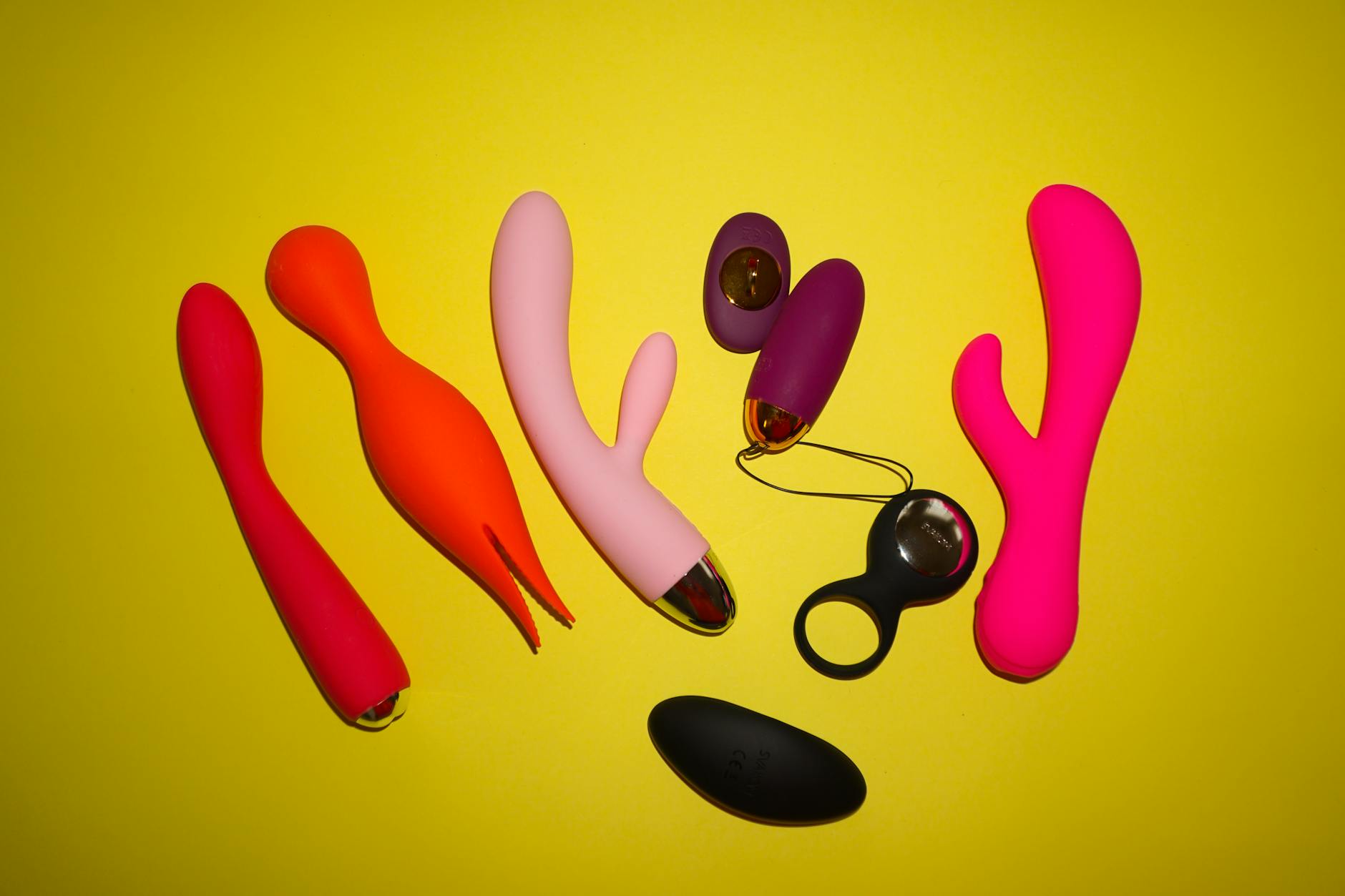
Let's talk about the thing no one plans for
You finish. Your partner is barely getting started. Or the reverse. One of you needs fifteen minutes to recover. The other is ready to climb back in after ninety seconds. Most couples dance around this like it's a personal failing when it's actually just biology hitting differently for two different bodies.
The refractory period (how long your nervous system needs to reset before it can build arousal again) varies wildly between people, between bodies assigned female at birth versus male at birth, and even within the same person depending on age, stress, health, and what you ate for lunch. Ignoring this mismatch creates a slow-burn resentment that's way harder to fix than the original timing problem.
Lemon clitoral vibrators change the game here. Not because they're magic, but because they give the person with the shorter refractory period something to do that doesn't revolve around performing for the other person or waiting around feeling needy.
Why refractory periods matter in partnership
Biology is doing something specific here. After an orgasm, the body releases a cocktail of chemicals (prolactin, oxytocin, endorphins) that literally tell your nervous system to calm down and rest. For people with vulvas, this recovery period is often shorter or nonexistent (some people can have multiple orgasms in quick succession). For people with penises, the refractory period can range from a few minutes to hours depending on age and health.
But here's what complicates things: the person who recovers faster often feels abandoned or rejected when their partner isn't ready. The person who needs more time feels pressured or like they're failing. Both interpretations are wrong. Your refractory periods are just... different.
This mismatch shows up constantly in long-term partnerships, and it's one of the easiest things to accidentally weaponize. "You always get me worked up and then just roll over." "Why are you always touching me when I just need to breathe?" These aren't really about touch. They're about feeling out of sync.
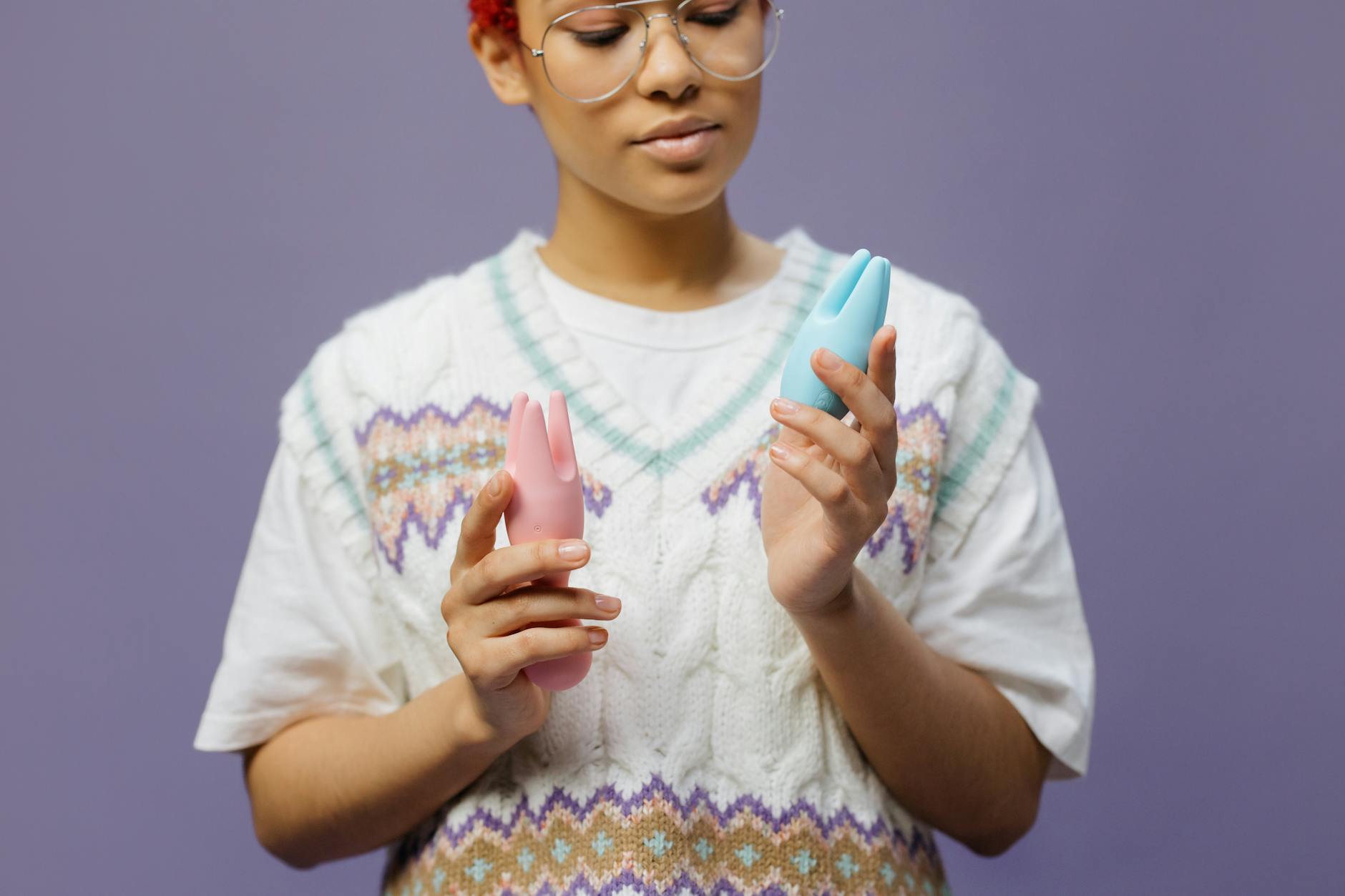
Photo by cottonbro studio on Pexels
What lemon vibrators solve
Lemon clitoral vibrators (and especially the suction-based design of the Lem) create something new in this dynamic: a way for the person with the faster refractory period to stay engaged with their own pleasure while their partner recovers.
Here's why this matters more than it sounds. When you're lying there waiting for your partner to be ready again, your nervous system starts to negotiate. "Am I actually still interested? Should I pretend to be patient? Why do I feel awkward?" You're not having fun. You're managing an emotion.
Now introduce a lemon vibrator. You're not waiting. You're not managing. You're exploring. You're building arousal in your own rhythm, which means you're actually present and engaged when your partner does recover. The sex that follows feels mutual instead of obligated.
For the partner who needs the longer refractory period, watching (or feeling) their partner stay engaged can actually accelerate their own recovery. There's something about seeing desire directed toward you or expressed openly that shortens that reset window. It's not pressure. It's invitation.
The practical setup that actually works
First, name the thing. Don't just suddenly introduce a lemon vibrator and hope your partner understands it's not rejection. Say something like: "I love being close to you after. I also recover way faster than you do, and I hate feeling like I'm abandoning you. Can we try something?"
The conversation is the tool. The vibrator is the solution.
Then: stay close. This isn't about one person leaving the room. This is about staying in contact. You might be using a lemon clitoral vibrator while your partner is touching you, or you're nestled against them, or you're just in the same bed with skin contact happening. The proximity is doing the relational work. The vibrator is doing the pleasure work.
Start with lower intensity. If you're at pattern 3 or 4 on a Lem, you're building slow arousal, not chasing another orgasm right away. The goal here isn't another climax. It's presence and connection. The second orgasm might come, might not. Doesn't matter.
When your partner feels ready, you can transition together. They might touch you. You might set the vibrator aside. Or you might keep using it during partner sex, which a lot of couples find creates a new kind of satisfaction. The Lem works beautifully during partnered sex because the suction stimulation doesn't interfere with penetration or other types of touch.
The emotional recalibration that happens
Here's what shifts, and it's bigger than the logistics. When both of you stop pretending the refractory period mismatch doesn't exist, the pressure drops dramatically.
You're not waiting to be wanted again. Your partner isn't trying to rush their recovery to meet you. You're just... existing in your bodies, which happen to have different timelines, and that's fine.
I've seen this shift change couples' entire sexual dynamic. Because once you stop resenting the mismatch, you start actually enjoying the differences. The partner who recovers faster gets to experience more of their own pleasure without guilt. The partner who needs more time gets to feel desired without being rushed. That's not a small thing.
Many couples also report that this creates a template for other mismatches. Different desire levels, different stimulation preferences, different comfort with frequency. Once you've named and solved one thing together without shame, you have a way to handle the others.
When a lemon clitoral vibrator becomes a regular part of your rhythm
Some couples use this setup occasionally, when the timing is off. Others find it becomes their favorite way to extend intimate time together. "Let's bring out the Lem" becomes code for "I want to stay in this with you." The specificity of the clitoral vibrator means you're getting targeted stimulation that feels nothing like your partner's touch, which adds a layering effect that a lot of people love.
If you're newer to using lemon vibrators as a couple, start with the assumption that this is temporary while you both adjust. Give yourself permission to laugh if it feels awkward the first time. Most couples laugh. Then they relax. Then they actually enjoy it.
The point of any sex toy in partnership isn't to "fix" something broken. It's to expand the toolkit when bodies don't cooperate with what we imagined.
People also ask
Should I use a lemon vibrator if my partner feels insecure about toys?
That insecurity is worth exploring together, separate from the refractory period issue. Often, partners who resist vibrators are worried the vibrator will replace them or that they're not enough. That's a conversation about desire and worth, not about the tool. Start there. If your partner is genuinely uninterested in toys, the mismatch can be solved other ways: manual stimulation, grinding against you, oral sex, just talking while you touch yourself. The refractory period mismatch doesn't require a specific solution. It requires acknowledgment.
What if using a vibrator makes me feel guilty about wanting more?
That guilt is a separate thing from biology. Your body's refractory period is not a character flaw. You're not greedy for wanting more pleasure. You're not broken for recovering fast. The guilt usually comes from internalized ideas about what you "should" want or how long sex "should" take. Those ideas are worth questioning separately, maybe with a therapist or in your own journaling. The lemon vibrator isn't solving the guilt. You are, by deciding pleasure is okay.
Can we use a lemon vibrator during penetrative sex if we have mismatched refractory periods?
Completely. A lot of couples actually prefer this because it means you're building toward another round of partnered sex instead of going solo. The clitoral stimulation from a Lem during penetration can shorten the refractory period for the partner who needs more recovery time, plus increase pleasure for both of you. This is one of the reasons the Lem design (with the external head and flexible body) works so well for partnered sex.
What if we have the opposite problem, where one of us never wants to stop?
That's often a desire level mismatch layered on top of a refractory period mismatch. The person who wants to keep going might be seeking the connection, not just the sensation. That's worth naming. "Do you want more sex, or do you want to stay close?" Those have different solutions. If it's the sensation, a lemon clitoral vibrator can help them extend their own pleasure without pushing their partner. If it's the connection, that might need a different conversation altogether.
Do I have to be inside my partner when using a lemon vibrator together?
No. Some couples use it during foreplay, some during penetration, some afterward just to extend the intimate time. There's no script. The Lem works well in all of those scenarios because the design is flexible. Try it different ways and see what actually feels good instead of what you think you're supposed to do.
Is it normal for refractory periods to change throughout a relationship?
Completely normal. Stress, age, medication, health changes, even the quality of the relationship itself affects refractory periods. Sometimes the mismatch gets smaller with time. Sometimes it gets bigger. The solution isn't to expect it to stay the same. The solution is to keep checking in when something shifts.
The point
Refractory period mismatch is one of the easiest things to accidentally turn into resentment if you're not naming it. A lemon vibrator isn't the solution. Honesty is. The vibrator is just the tool that makes honesty easier to live with. It says: "I still want you. I just want this too. We can both be satisfied at the same time." And that changes everything.