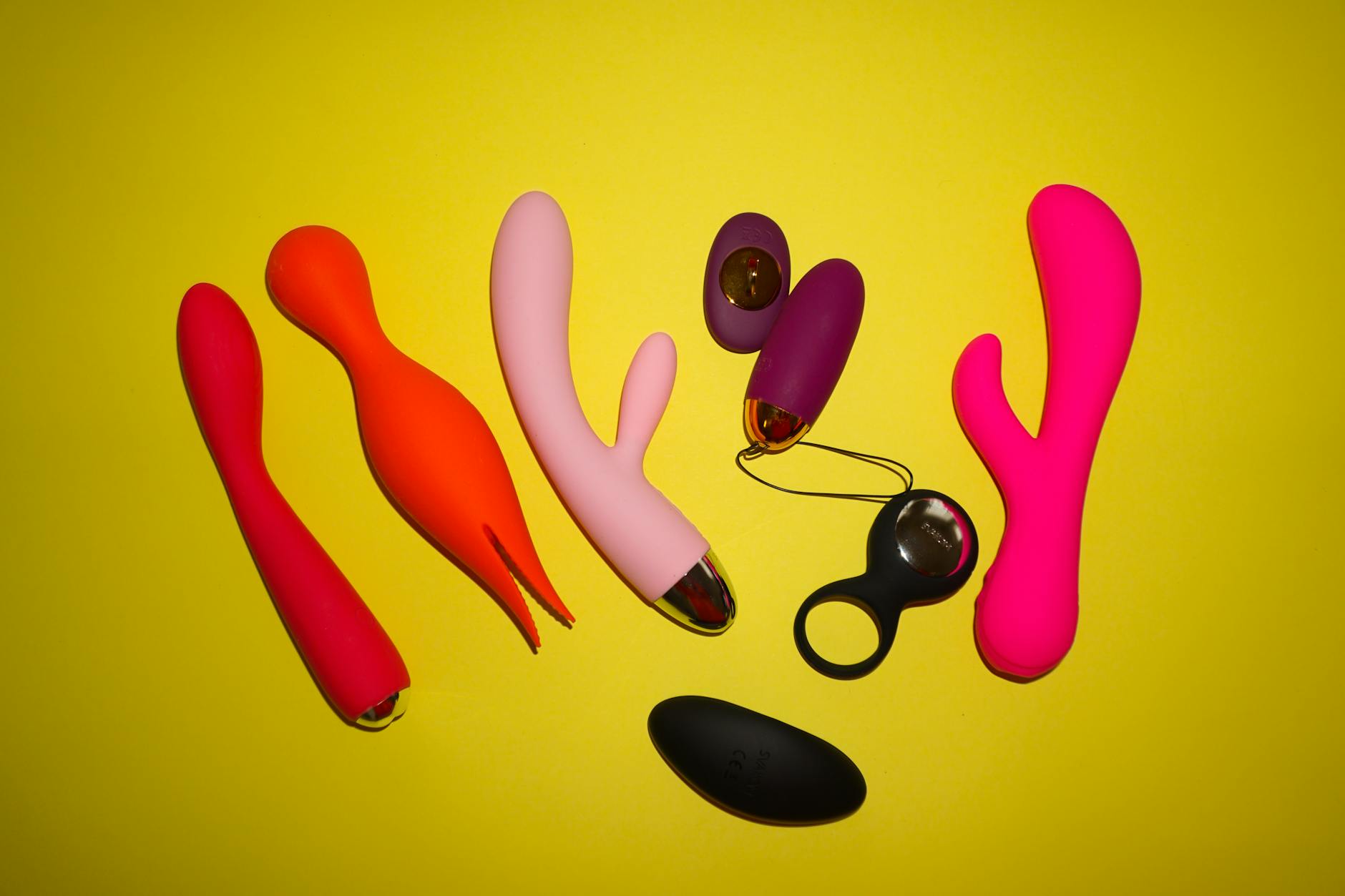
Here's what nobody tells you about vaginal dryness
Vaginal dryness is not a personal failure. It's a physical response to hormonal shifts, medications, stress, or simply how your body works right now. And here's the part that matters: dryness changes comfort during sex, but it doesn't change your capacity for pleasure or your ability to have powerful orgasms.
The problem isn't your body. The problem is that most advice treats dryness as something to tolerate rather than something to work with.
Why dryness happens and what it actually changes
Vaginal dryness can show up for lots of reasons. Perimenopause and menopause are common culprits because falling estrogen directly affects tissue moisture. But so can hormonal birth control, antidepressants, autoimmune conditions, stress, dehydration, and even reduced arousal time. Some people just run drier than others, and that's completely normal.
Here's what changes when you're dealing with dryness: friction feels different. Penetration might sting. Your natural lubrication either arrives more slowly or stays lighter than you're used to. Your clitoris might feel more sensitive to direct contact, or less responsive depending on the day.
What doesn't change: your nerve endings, your capacity for pleasure, your ability to orgasm, or your right to feel good during sex.
The lubricant strategy that actually works
Lubrication isn't a backup plan. When you're dealing with dryness, it's foundational.
Water-based lubricants are your safest bet if you're using silicone toys like Lemon Intimacy's lemon vibrators. They feel natural, absorb gradually, and won't degrade your toy. Silicone-based lubes feel richer and last longer, but they can damage silicone toys. For clitoral vibrators, either works fine since direct contact is lighter. For anything penetrative, stick with water-based.
Apply it generously. Not sparingly. Dryness means your body needs extra help, so give it that help without apology. Some people apply lube before arousal starts; others layer it mid-session. Both approaches work. Experiment.
One more thing: saliva doesn't count. It evaporates fast and won't give you the sustained moisture you need.
Why you might need a different toy approach
When dryness is in play, the way you use toys matters more than usual.
Clitoral vibrators like the Lemon Intimacy lemon clitoral vibrator are often easier to work with than penetrative toys because they focus stimulation without requiring deep lubrication. The suction pattern on clitoral toys means you're getting nerve stimulation through a gentler mechanism, which can feel less intense on tissues that are already sensitive from dryness.
That said, sensitivity is personal. Some people find that external suction vibrators feel better when dryness is involved because there's no friction. Others prefer traditional vibration. The only way to know is to try lower intensity settings first and work up from there.
Start with pattern one or two if your toy has multiple settings. Dryness can make tissue feel more reactive, so what felt perfect last month might feel intense now. That's not a problem. It just means adjusting your starting point.
The warm-up time factor
Vaginal dryness often shows up alongside slower arousal. Your brain might be ready, but your body takes longer to catch up.
Budget more time for foreplay. Not because something's wrong with you, but because your body needs it. Fifteen to twenty minutes of kissing, touching, mental foreplay, or whatever gets you mentally engaged gives your tissues time to start responding. This isn't lost time. It's essential setup.
If you're partnered, this is worth a real conversation. Frame it as "I want to make sure we both feel good" rather than "my body isn't working." There's a massive difference. One invites collaboration; the other centers anxiety.
If you're solo, use this time to explore what gets you mentally engaged. Music, fantasy, photos, reading. Whatever helps your nervous system shift into pleasure mode.
Timing and positioning matter more than you think
Your moisture production fluctuates throughout the month and throughout the day. Morning might be drier than evening. Some days are naturally better than others.
If you notice a pattern, work with it. If you're better lubricated after you've been up for a while and hydrated, schedule sex or solo play for that window. If certain activities trigger dryness worse than others, adjust your sequence. Maybe external play first, penetration later. Maybe toys only, no penetration today.
This isn't settling. This is being strategic about your own pleasure.
With penetration specifically, angles matter. Positions that create less friction (think more rocking than thrusting) feel better when dryness is present. If you're partnered, positions where you have control over depth and speed let you manage comfort in real time.
When to consider systemic solutions
If dryness is from perimenopause or menopause, topical estrogen creams work remarkably well and don't carry the systemic risks people worry about. A gynecologist can prescribe them, and they often produce noticeable changes within weeks.
If dryness is from medication, talk to your prescriber. Sometimes a different timing or a different medication class solves the problem. Sometimes it doesn't. But it's worth asking.
If you're in a stress cycle, dryness often improves when stress does. That doesn't mean it's all in your head. Chronic stress genuinely affects blood flow and hormone balance. Sleep, movement, therapy, or whatever helps your nervous system reset can make a real difference.
Hydration matters too. Not mystically, but practically. Your body uses water to produce lubrication. If you're chronically dehydrated, addressing that sometimes helps.
The mental shift that changes everything
Honestly though, the biggest adjustment isn't physical. It's mindset.
Vaginal dryness doesn't mean your body is broken or your sexuality is fading. It means you're adapting. People with lemon vibrators and a good lubricant strategy often report better orgasms when they work with dryness than when they were fighting against it, because the attention required forces presence.
Instead of going on autopilot, you're checking in with what feels good. You're being intentional about setup. You're giving yourself permission to need what you need.
That's not compromise. That's refinement.
FAQ
Can I use Lemon Intimacy vibrators if I have vaginal dryness?
Absolutely. Lemon clitoral vibrators are particularly good for dryness because they focus on external stimulation, which doesn't require the same lubrication depth as penetration. Use plenty of water-based lubricant on and around the toy, start with lower intensity settings, and take your time with warm-up. Many people find clitoral vibrators feel better when dryness is involved because the suction mechanism is gentler than traditional vibration.
How much lubricant should I use with a lemon vibrator?
As much as you need. Seriously. Dryness means your body isn't producing enough natural lubrication, so compensate generously. A quarter-sized amount is a starting point, but some people need more. You can always reapply mid-session. More lube never hurts; less lube often does.
Does vaginal dryness mean I need hormone therapy?
Not necessarily, but it's worth discussing with a doctor. If dryness is from menopause or perimenopause, topical estrogen creams are highly effective and have minimal systemic absorption. If it's from medication, timing adjustments or alternatives might help. If it's from stress or dehydration, addressing those sometimes resolves it. The point is: you have options, and a good provider can help you figure out which one fits.
Is water-based lubricant better than silicone for dryness?
For most situations, yes. Water-based lubricant feels more like your body's natural lubrication, absorbs gradually so you'll need to reapply, and is safe with all toy materials. Silicone-based lube lasts longer and feels richer, which some people prefer, but it can degrade silicone toys. For dryness specifically, water-based usually works better because you can layer it without buildup feeling sticky or uncomfortable.
Can dryness make it harder to orgasm with a vibrator?
Sometimes. Dryness can make your clitoris feel either oversensitive or undersensitive depending on your body and the day. If sensitivity is high, start with lower intensity patterns. If it feels numb, take longer warm-up time and use plenty of lubricant. Most importantly, don't assume dryness means orgasms aren't possible. Usually it just means finding your new settings.
How long does it take for lubrication to help?
Immediately. Good lubrication changes comfort right away. That said, your arousal time might still be slower than you're used to, so budget twenty minutes even if the lube is working well. Your body's natural response needs time to build alongside the mechanical help you're providing.
The thing about pleasure and adaptation
I work with a lot of people navigating dryness, and what I see over and over is this: people who adjust their approach end up feeling better than they did before, not worse.
Not because dryness is good. It's not. But because the attention required means you're actually paying attention. You know what temperature water you want. You know how many minutes of warm-up your body needs. You know which lemon vibrator setting works best. You've stopped going on autopilot.
That's not settling for less pleasure. That's claiming better, more intentional pleasure.
Vaginal dryness is real, and it changes things. But it doesn't end things. With the right lubricant, the right toy, and a willingness to adjust your timing and approach, pleasure is still absolutely available to you.
If you want to talk through what might work best for your specific situation, reach out. That's what we're here for.