Let's start with what nobody tells you
Illness rewires pleasure in ways that have nothing to do with desire. You still want connection. Your body just doesn't cooperate the way it used to. That frustration is real, and it's worth taking seriously.
Whether you're recovering from a chronic condition flare, working through long-term illness, or navigating the aftermath of something acute, sexual function often shifts before you're ready. Energy drops. Sensation changes. Arousal takes longer to build, or doesn't build the way it used to. The path back isn't a straight line.
Why illness changes sexual response
Three things happen when your body is fighting illness or recovering from it.
First, blood flow redistributes. During arousal, blood normally rushes to the clitoris and vulva. When your body is sick or depleted, that blood gets diverted to organs that need it more urgently. The clitoris swells less. Lubrication is slower or more minimal. Everything feels less responsive.
Second, neural signaling gets foggy. Illness often clouds cognition. You can't focus, or you're in mild pain, or you're just exhausted. Your brain is the most important sexual organ, and when it's preoccupied with survival, arousal doesn't happen at the same pace.
Third, sensation itself sometimes changes. Some people experience hyperarousal during or after illness, where touch feels too intense. Others experience the opposite. Numbing or flatness. Both are normal responses to systemic stress.
How lemon clitoral vibrators help during recovery
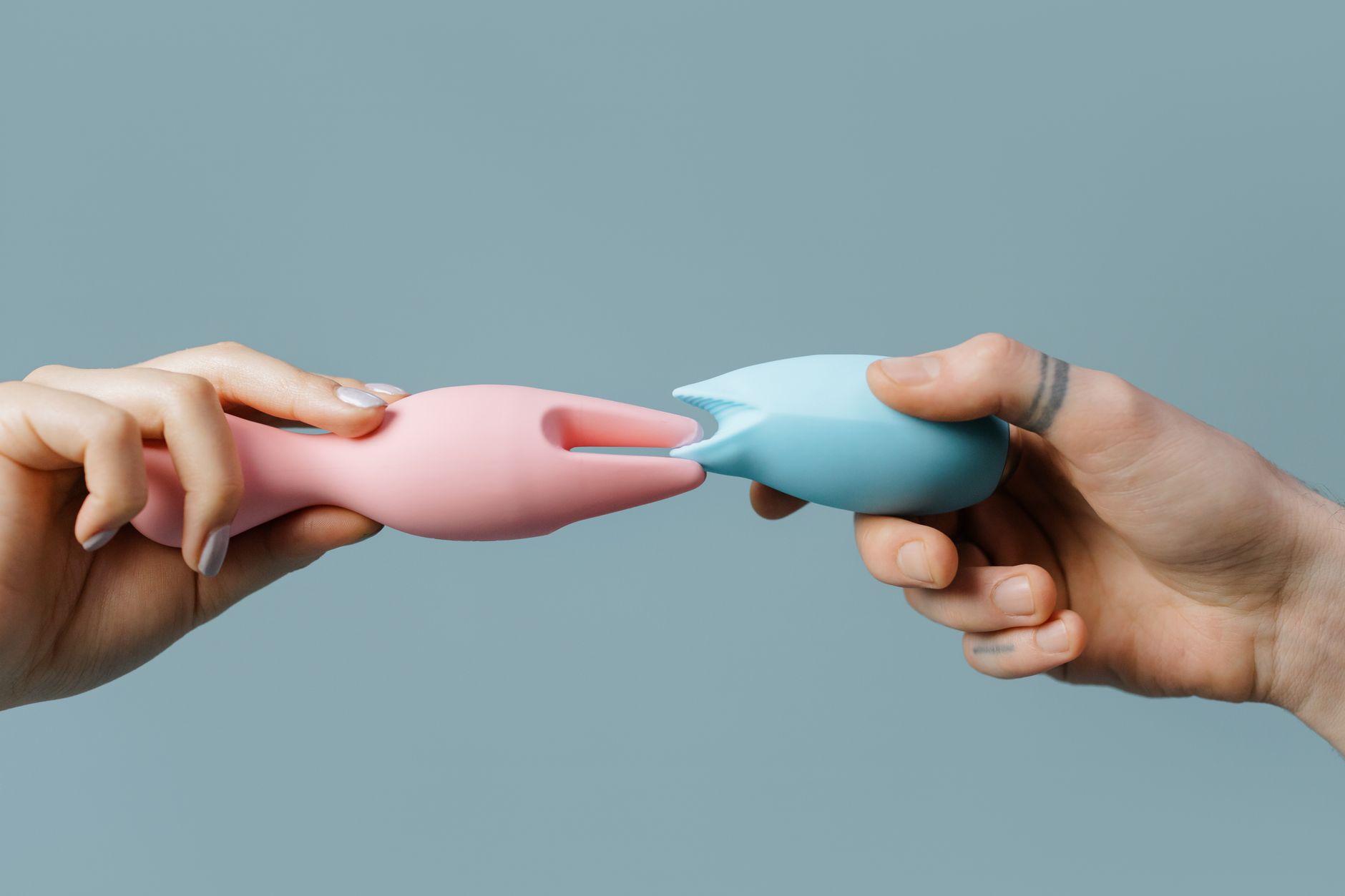
Lemon vibrators, especially suction-based clitoral vibrators like the Lem, work differently than standard vibrators. Instead of direct vibration that requires swelling and blood flow, suction creates gentle pressure and release patterns that stimulate the clitoral nerves with less demand on the body's resources.
This matters during illness because:
You need less arousal to start. With a standard vibrator, you often need the clitoris to be somewhat swollen to feel stimulation clearly. With lemon clitoral suction toys, the gentle pressure works on your body as it actually is, not as you wish it were.
You can control intensity precisely. The Lem and similar lemon adult toys have 5-10 settings. When energy is low, you can stay on patterns 1-2 indefinitely without fatigue. You're not depending on your body to generate friction.
You don't need a partner to feel pressure and sensation. If touch feels too intense during illness, the barrier of the toy itself can feel safer than direct skin contact.
Practical adjustments for each recovery phase
Illness isn't one static state. Recovery moves through stages. Each stage asks something different of your body and your pleasure.
Early recovery (still symptomatic, limited energy). You might have 5-10 minutes of available energy. Start with the Lem on pattern 1, no lube needed (though water-based lube never hurts). Lie down completely. Remove any pressure to reach orgasm. Some days, the goal is just sensation and presence. That's enough.
Mid-recovery (symptoms improving, energy variable). Some days you have 20 minutes. Some days you have two. Build flexibility into your expectations. The clitoral vibrators work equally well at any length. Use pattern 2-3. If sensation feels numb, stay there longer rather than escalating intensity. Patience rewires neural pathways faster than forcing.
Late recovery (mostly better, new normal emerging). You're functional but not fully yourself yet. This is where lingering changes in arousal often show up. You might need 15 minutes of warm-up instead of five. Lemon sexual toys excel here because they turn that extra time into foreplay, not frustration. Use patterns 2-4 as the baseline.
What changes actually persist
Here's something important: not all changes go away. Some become your new baseline. That's not failure. It's adaptation.
If your arousal pattern changed during illness, it may stay changed. Maybe you need more warm-up now. Maybe certain touch feels different. Maybe orgasms feel less intense or take longer. These aren't signs you're broken. They're signs your nervous system learned something new.
Lemon clitoral vibrators are genuinely helpful here because they don't require you to meet an old standard. They work with what your body is actually capable of right now. If you used to have intense orgasms and now they're gentler, a lemon sucker still delivers pleasure at whatever your current baseline is.
The emotional part is often bigger than the physical part
If you're reading this, you probably feel some frustration about what illness took from you. That's legitimate. Pleasure matters. Sexual expression matters. Grieving the version of your body that existed before illness is not dramatic, it's real.
Here's what I've seen in my clinical work: the people who move through that grief fastest are the ones who separate two conversations. Conversation one: "My body changed." Conversation two: "I still deserve pleasure." They're connected, but they're not the same.
Conversation one is grief. Conversation two is agency. You can hold both at the same time.
When pleasure pauses and how to restart
Sometimes during illness, sex stops entirely. Maybe for weeks or months. When you're ready to restart, the body is rusty. Arousal doesn't come easily. That's not because you've lost capacity. It's because your nervous system hasn't practiced.
Lemon vibrators are genuinely useful for gentle restart. Start with the Lem on pattern 1 with no agenda. Not to reach orgasm. Just to remind your body what sensation feels like. This is rebuilding a habit, not achieving a goal.
Many people find that after a few weeks of this gentle restart, arousal rebounds faster than they expected. Your capacity didn't go anywhere. It was just offline.
When to know it's not just recovery
If sexual function hasn't budged three months after you're otherwise recovered, or if numbness or pain is increasing, that's a signal to talk to someone. A GP, a pelvic floor specialist, or a therapist who works with sexual health. Sometimes illness triggers secondary issues that don't resolve on their own.
But most of the time, when you give your body permission to rebuild pleasure at whatever pace makes sense right now, lemon clitoral vibrators make that process feel less lonely and more manageable.
FAQ: Questions people actually ask about pleasure during illness
Is it normal for arousal to disappear completely during illness?
Completely normal. Arousal is a luxury response. When your body is in survival mode, arousal is first to go. It's not a sign you've broken something. It's your nervous system doing exactly what it's designed to do. When you recover, arousal usually returns.
Can I use lemon sexual toys while I'm still actively sick?
Yes, if you want to. There's no harm in gentle stimulation. But if you're in significant pain, running a fever, or completely depleted, rest is the better choice. The toys will still be there when you're ready.
How long does it usually take for sexual function to return after illness?
It depends entirely on what you had and how severe it was. Mild illness: days to weeks. Moderate: weeks to months. Chronic or serious illness: months to a year or more. The timeline is personal. Comparing your recovery to someone else's is usually frustrating and not useful.
What if sensation feels different even after I'm recovered?
Your body learned something. That's not bad. Some people's arousal patterns become slower but more reliable after illness. Some become more intense but need more build-up. Different isn't worse. It's just different. Lemon clitoral vibrators work equally well at whatever your new pattern is.
Can illness permanently change my ability to orgasm?
Very rarely. Most of what feels like permanent change is actually nervous system recalibration. Give it time, patience, and the right tools. The Lem and other lemon vibrators are designed to work with your body as it is, which is often enough to rebuild the pathway.
Is it okay to feel frustrated about how my pleasure has changed?
Yes. Completely. Your body changed without your permission. Pleasure is part of your humanity. Frustration about losing easy access to it is legitimate grief. Feel it fully. Then keep going anyway.