Let's be real about mechanical sex
It sneaks up on you. One day you're actually excited, the next you're going through the motions on autopilot. Mechanical sex isn't always about passion dying. Sometimes it's about routine replacing spontaneity. Sometimes it's about one person chasing their own orgasm while the other watches the clock. And honestly? It's fixable.
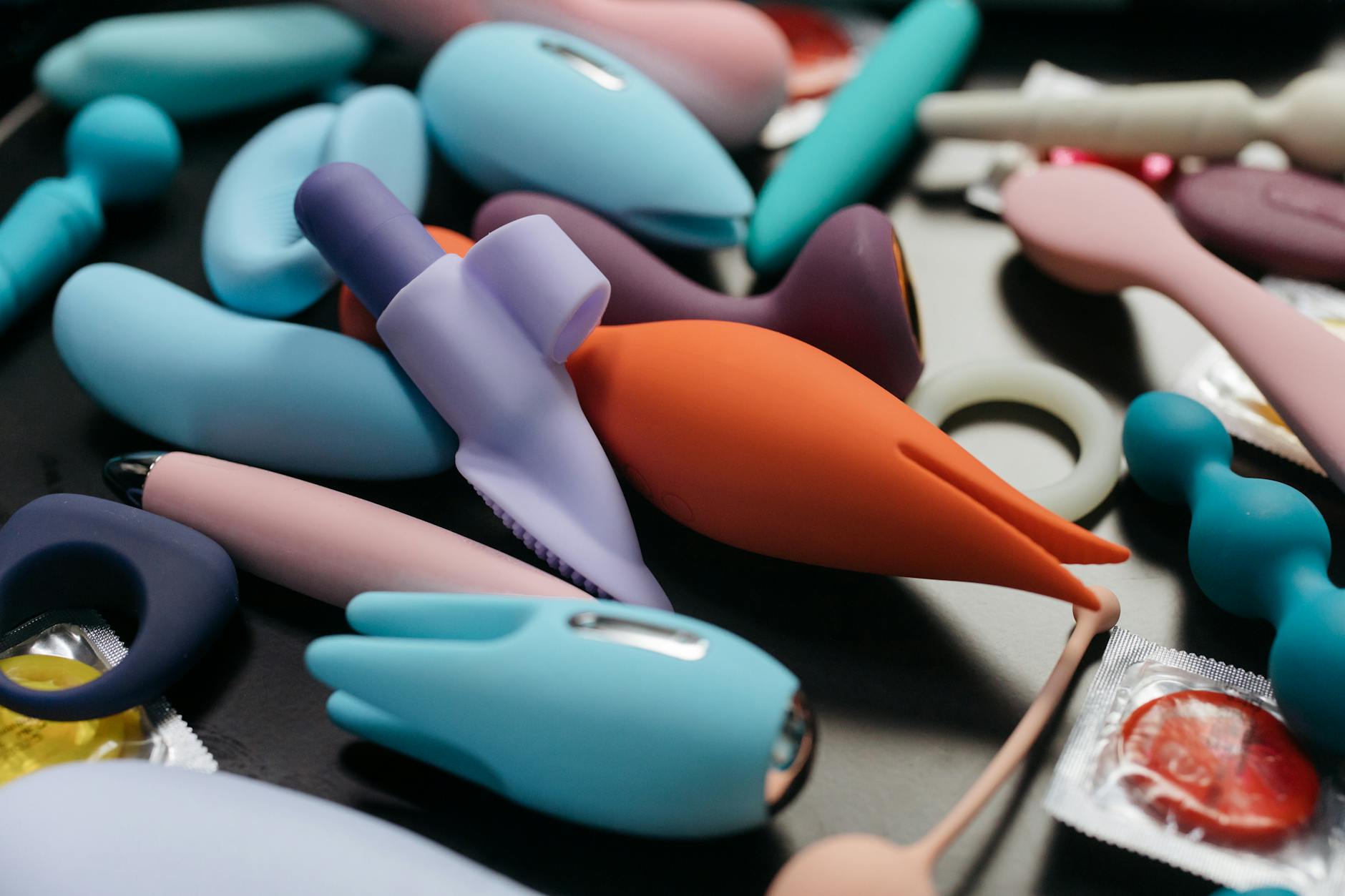
The thing most couples don't realize is that adding a tool like a lemon clitoral vibrator isn't about compensating for a broken connection. It's about creating a new conversation between your bodies. It shifts focus from performance to sensation, from "Are you done yet?" to "What actually feels good right now?"
Why mechanical sex happens (and it's not your fault)
Mechanical sex usually shows up when one of three things is true. First, the foreplay window closes. You go straight to the main event because you both think that's what sex "should" be. Second, orgasm becomes the goal instead of pleasure. You're both tracking toward a finish line instead of exploring. Third, someone's needs have shifted and nobody's said it out loud yet.
After years of being together, bodies change. Arousal takes longer. What worked six months ago doesn't land the same way. Hormones shift. Stress piles up. None of that means your sex life is broken. It means you're both working with new information and haven't updated your approach.
That's where lemon vibrators come in. They're not a band-aid. They're permission to slow down and pay attention again.
The conversation before you introduce a toy
This matters more than the vibrator itself. Bringing a toy into partnered sex without talking about it first can feel like ambush. Or worse, it can feel like criticism. "I need this because you're not enough." Which is why framing is everything.
Try starting with curiosity instead of complaint. "I've been thinking about what would actually feel good to me lately, and I'm curious about trying something together." Not "You're not getting me there fast enough." Not "I need more stimulation." Just honest observation about your own body.
If your partner gets defensive, that's data too. Sometimes the resistance isn't about the toy. It's about feeling replaced, or like their touch suddenly isn't enough. Separate those conversations. "I love your touch. This is about me exploring what my body responds to right now. And I want you in that." That's the invitation.
If your partner lights up and says yes, brilliant. You're about to rebuild a part of your sex life together.
How to actually use a lemon clitoral vibrator with a partner
Here's the practical part. Lemon vibrators are designed for external stimulation. They're not penetrative toys, which means they don't compete with anything your partner is doing. They sit on top of the clitoral area while everything else continues.
Start with foreplay. Use the vibrator early, not as a last resort. This teaches your brain and body that it's part of the warm-up, not a sign you're having trouble. Some couples use it while one partner is inside the other. Others use it while kissing or while one person focuses entirely on the other's pleasure.
The intensity options matter. Most lemon adult toys have multiple patterns or power levels. Start low. Let sensation build. High intensity right away can feel jarring, especially if your body's been used to one type of touch. Pattern 2 or 3 on the Lemon Clitoral Vibrator is often the sweet spot for partnered play.
Let your partner hold it sometimes. This is the real connection piece. When your partner learns where and how you like the vibrator, they're learning you. And you're watching them learn. That's intimacy rebuilding itself in real time.
Use it during partnered sex too. If one of you tends to take longer to orgasm, the vibrator becomes a shared tool that gets you both to that place. Less waiting, less frustration. More actual pleasure happening simultaneously.
The rhythm problem (and how lemon vibrators solve it)
Mechanical sex often happens because partners are on different timelines. One person's arousal is fast. The other's is slow. One person climaxes easily. The other needs more time or a different type of stimulation. Most couples respond by compromising, which means nobody's actually satisfied.
A lemon clitoral vibrator syncs you up. It accelerates arousal for whoever needs it, so you're both in a similar place. It removes the pressure of "you need to get here faster" because now there's a tool doing that work, not one person. And it gives the slower-to-arouse partner agency. They're not being rushed. They're being supported.
When to use the vibrator (and when to skip it)
Not every time. That matters. If you use the vibrator every single time you have sex, you can train your body to need it. So build it in thoughtfully. Maybe twice a week instead of every session. Maybe only when one of you is feeling disconnected. Maybe only when you have time for actual leisurely sex instead of quickies.
You also get to change your mind. "Not tonight" is totally valid. Sex shouldn't ever feel like an obligation, and neither should toys.
The goal is variety. Some sessions are vibrator sessions. Some are focused entirely on touch and penetration. Some are something else entirely. Mix it up. That's what rebuilds novelty.
Dealing with pressure and comparison
Some people worry that needing a vibrator means something's wrong with them. Or with their partner. Neither is true. A lemon vibrator is a tool that does one specific thing well. It stimulates clitorally with consistent vibration. Your partner's hands, mouth, and body do a thousand other things. They're not competing.
If you're catching yourself comparing ("Why do I orgasm faster with the vibrator than with them?"), zoom out. You orgasm faster with the vibrator because vibrators are engineered to be consistent and powerful. That doesn't diminish what your partner offers. Different tools create different experiences. Both can be good.
Making it feel natural, not clinical
Here's the weirdest part about introducing toys: the awkwardness often lives in your head, not in the actual moment. You anticipate it being weird, so you approach it like you're performing a medical procedure. That makes it weird.
Instead, treat it like you'd treat lube or a position change. A thing that makes sex better. Mention it casually. Use it without announcing it. Keep breathing. Keep eye contact if that's your style. Keep the same warmth and playfulness you bring to sex normally.
If you giggle, let yourself giggle. That's not failure. That's actual human sexuality, which is rarely as polished as porn makes it look.
When mechanical sex was actually something else
Sometimes what feels mechanical is actually grief. Your body's the same, but your relationship context changed. Someone became a parent. Someone got sick. Someone's job blew up. Mechanical sex is what sex looks like when you haven't processed the life change together.
Lemon vibrators won't fix that alone. But they can be part of reconnecting. They signal that you're both willing to try something different. They create a container where you're paying attention to sensation again instead of managing stress.
If the mechanical feeling is covering real relationship strain, that's different. That might need conversation with a therapist first, or at least some serious talking with your partner about what's actually wrong.
People also ask
How do I bring up using a vibrator with my partner without making them feel inadequate?
Frame it as exploration of your own body, not criticism of theirs. Say something like "I've been curious about how different types of stimulation feel. I'd love to explore that with you." Make it about discovery, not deficit. And mean it. If you genuinely want them involved, that shows.
Can we use a lemon clitoral vibrator every time we have sex?
You technically can, but research suggests it's better not to. Using vibrators on the same patterns every single session can desensitize you over time. Mix in sessions without toys. Vary the intensity patterns when you do use it. Keep your nervous system engaged with novelty.
What if my partner refuses to use a vibrator with me?
That's information worth exploring. Sometimes refusal comes from insecurity. Sometimes it's a values thing. Sometimes it's just unfamiliarity and discomfort. Ask questions. "What would make this feel better for you?" Maybe they want more time to adjust. Maybe they want to research toys together. Maybe they want to use it privately first and then decide. Meet them where they are.
Does using a vibrator mean my partner and I aren't compatible anymore?
No. It usually means you're both willing to evolve. Sexual compatibility isn't static. It changes as your bodies, lives, and preferences change. Tools like lemon sexual toys are how couples stay compatible through those shifts.
How often should we use the vibrator?
There's no rule. Some couples use it twice a week. Others use it monthly. What matters is that it doesn't become the only way either of you feels pleasure. If you're only orgasming with the vibrator, or if you're using it to avoid real conversation, that's a sign to pause and recalibrate.
My partner is worried the vibrator will make me not want them anymore.
That fear usually comes from the belief that sex is a zero-sum game. Like there's a fixed amount of desire and desire for the toy takes away from desire for them. That's not how pleasure works. Pleasure builds on itself. When you're experiencing better sensation, you often want more connection, not less. Reassure them. Show them. Use the vibrator with them, not instead of them.
Rebuilding mechanical sex into something real again
Mechanical sex is a symptom, not a sentence. It means you've slipped into autopilot. That's actually easier to fix than deeper relationship rupture. It takes three things. Honesty about what's not working. Willingness to try something new. And actual attention to sensation instead of just checking boxes.
A lemon clitoral vibrator is one tool that forces that last part. It makes it almost impossible to zone out because sensation is actually happening. It pulls focus back to your body and your partner's. And it creates a new story about sex together instead of just repetition of the old one.
Your sex life doesn't have to stay mechanical. Sometimes it just needs permission to change.