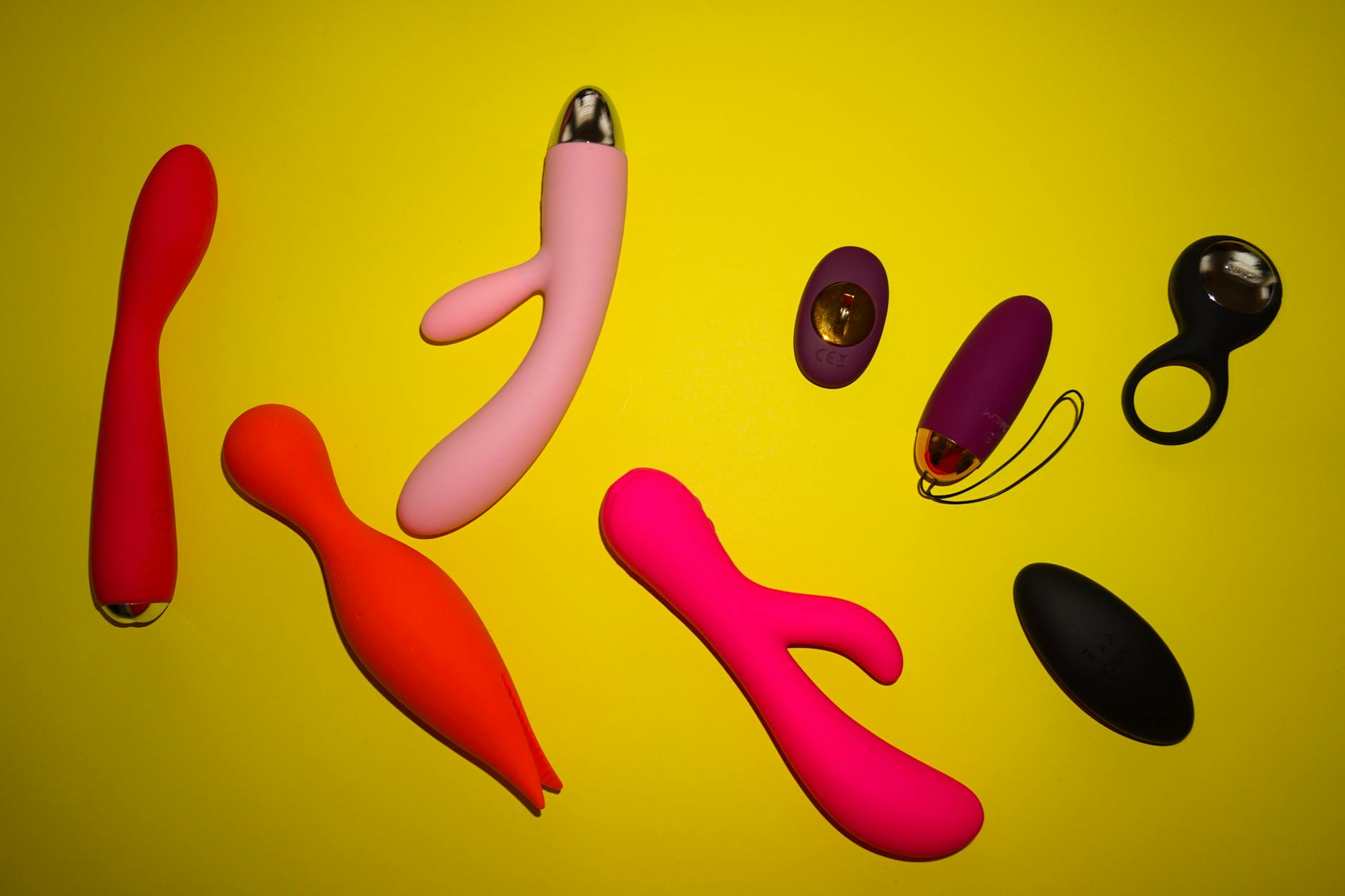
Let's start with what nobody tells you
Depression steals pleasure. Not metaphorically. Literally. The neural pathways that carry desire, that fire up during arousal, that process sensation as good—depression dims all of it. Your body still works. Your capacity for orgasm is still there. But wanting it? That's the part depression erases.
When you're depressed, even thinking about sex can feel like trying to remember a dream. There's a vague shape of something that used to matter, but it's underwater now. And the guilt that comes with not wanting sex, or not wanting your partner, or not wanting anything at all? That's its own layer of pain.
Here's what's real: you're not broken. Depression is a medical condition that changes neurotransmitter levels—dopamine, serotonin, norepinephrine. Those same chemicals drive desire. When depression crashes them, desire crashes too. It's not a character flaw. It's biochemistry.
Why pleasure feels different right now
Three things are happening at once when depression dampens desire.
First, anhedonia. That's the clinical word for the inability to feel pleasure. With depression, stimulation that would normally feel good feels muted, distant, or numb. A favorite song plays and you feel nothing. Food tastes like nothing. Touch feels like pressure without the warmth. This isn't laziness. It's your brain not generating the chemicals needed to translate sensation into pleasure.
Second, motivation evaporates. Desire isn't just physical. It's also motivational drive. Depression flattens that too. Even if part of you knows you might enjoy sex, the energy required to initiate, to get into your body, to ask for what you want—that energy just isn't there. You're already exhausted by existing.
Third, shame layers on top. Your partner might be frustrated. You might be frustrated with yourself. And now wanting nothing feels like a relationship problem instead of a depression symptom. That distinction matters hugely, because the fix for each is completely different.
The difference between low desire and no desire
One critical thing before we go further: there's a difference between low desire (which vibrators can help wake up) and anhedonia so complete that pleasure feels impossible. If you're in the second category—if sensation feels truly absent, not just faint—talk to your prescriber first. Medication changes, therapy adjustments, or anti-anhedonia strategies might need to come before pleasure tools.
But if you're in the first camp—where desire is there somewhere, just really quiet—Lemon Intimacy's clitoral vibrators can be part of reconnecting. Not as a magic fix. As a tool that removes friction from the process.
How lemon suction vibrators help with flatlined desire
Here's why air-suction devices like the Lemon Clitoral Vibrator work differently when desire is low.
Traditional vibrators require active intention. You have to position them, decide on intensity, keep moving. With depleted motivation, that's five micro-decisions that feel like marathons.
Suction works through sensation alone. You hold it, the suction does the work, and your body's response is more automatic. For someone rebuilding desire, this matters. You're not performing arousal. You're not trying to want something. You're just... sitting with sensation, letting it build naturally, with zero judgment about whether you're aroused enough or fast enough.
The Lemon Clitoral Vibrator's gradual intensity settings also let you start so low that it feels almost incidental. Pattern one on most lemon vibrators is barely noticeable. This is huge when you're dealing with anhedonia, because you're not walking into overwhelming sensation. You're meeting your body where it actually is right now.
Starting when you have almost no desire
Two hard rules here.
Rule one: this is exploration, not performance. You're not trying to orgasm. You're not trying to prove desire is returning. You're literally just seeing what your body feels like right now. Some sessions, sensation will be totally numb. That's data, not failure. Other sessions, a small spark will surprise you. That's also just data.
Rule two: go slower than feels necessary. If you have five minutes of energy, use three. If you think ten minutes sounds okay, try five. Depression exhaustion is real exhaustion. Running yourself into a wall sexually just teaches your body that pleasure is another obligation you're failing at.
The actual practice:
Start with your Lemon Clitoral Vibrator on the lowest setting. Just hold it near your clitoris. Not even against it. Just nearby. Spend two minutes there. You might feel nothing. That's fine. Your job is to notice what you notice without judgment.
After two minutes, try the next pattern up. Again, two minutes. You're mapping sensation, not chasing anything.
If any moment feels uncomfortable or brings up guilt or shame, stop. This is supposed to be information-gathering, not traumatic. Depression already tells you you're failing. Don't let sexuality become another place that story is true.
Rebuilding desire with a partner
If you have a partner, this is where communication becomes your actual vibrator—more important than any toy.
You need to separate two conversations. Conversation one: "My depression is killing my desire. This is a me-and-my-brain thing, not a you-and-me thing." Conversation two: "I'm trying to reconnect with pleasure really slowly, and I might need you to not make this mean anything about how I feel about you right now."
Many partners hear "I don't want sex" as "I don't want you." Untangling that misunderstanding is half the battle.
After that, you can explore together if you want to. Some people find that a partner's presence, even without touch, helps. Others need complete alone time to rebuild without any pressure. There's no universal right answer. But you get to decide it consciously instead of having it silently assumed.
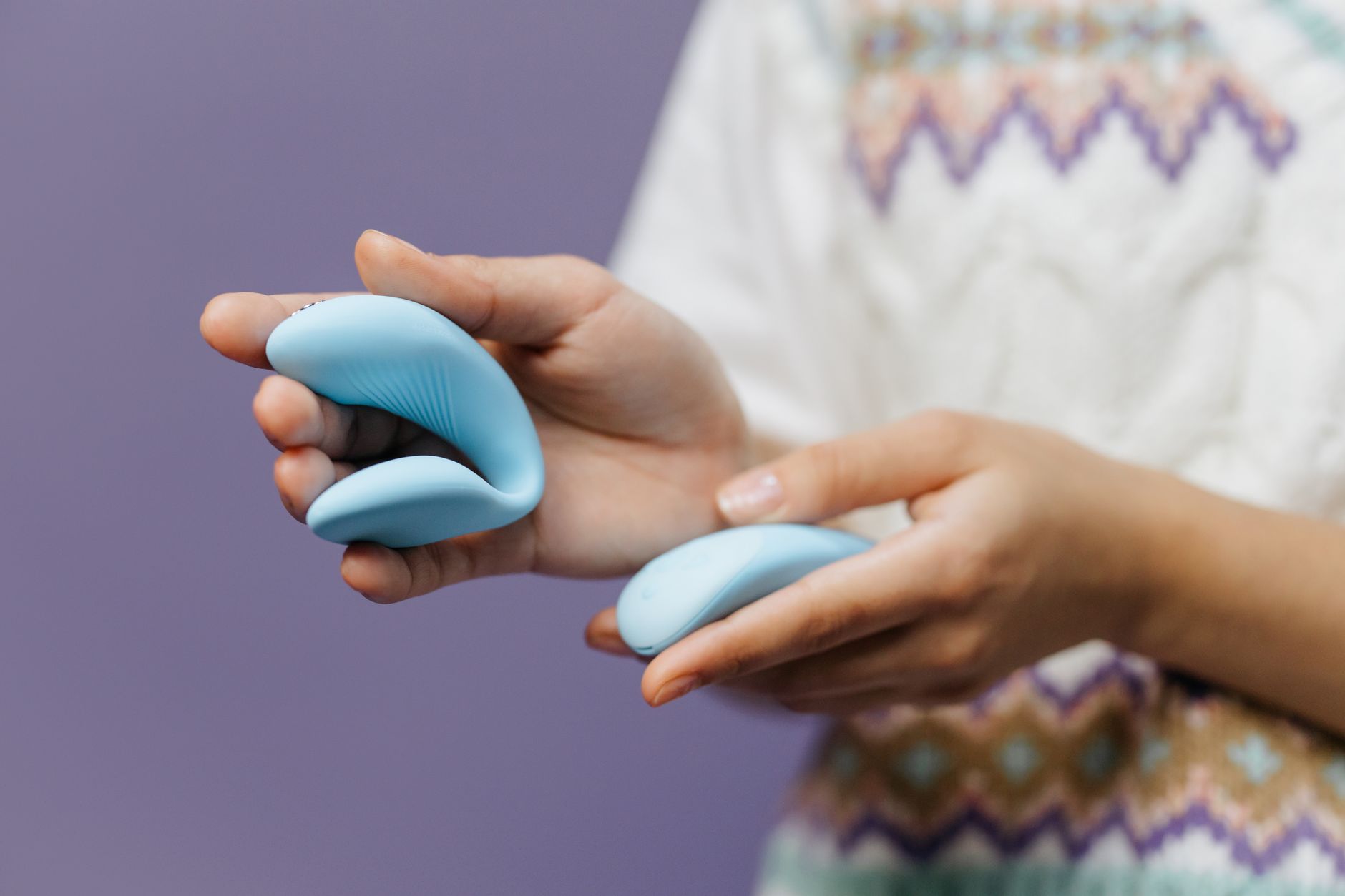
Photo by cottonbro studio on Pexels
The timeline myth
Honestly though, there's no timeline. Depression doesn't follow schedules. Some people reconnect with desire in weeks. Others take months. Some days you'll feel a spark. The next day you're back to numb. This isn't progress failing. This is what recovery actually looks like.
The danger is setting an internal deadline. "By next month I should want sex again." Then when you don't, you add failure to the pile of things depression is already telling you about yourself. Skip the deadline. Show up when you can. Notice what shifts. That's enough.
When to check in with a professional
If you're on antidepressants and desire has completely vanished, medication side effects are worth discussing with your prescriber. Some antidepressants genuinely suppress desire more than others. Switching timing, dosage, or medication class can help. This is a real conversation, not something to tough out.
If depression is still severe and unmanaged, pleasure tools are going to feel pointless. Therapy first, possibly medication adjustment, then rebuild. There's no shame in that order.
If you're experiencing trauma or grief underneath the depression, those might need specific work before desire naturally returns. A therapist trained in somatic or trauma-informed work can help reconnect your mind and body safely.
What rebuilding actually looks like
Here's the real version: rebuilding desire after depression is boring. It's slow. It has setbacks. There's no epiphany moment where suddenly you're horny again. Instead, there are tiny moments. A shower where your skin feels good for five seconds. A moment alone where you're curious about your body instead of just existing in it. A night when the numbness lifts for an hour.
You build on those moments. Not by pushing. By noticing them and gently returning to them.
Your clitoral vibrators, whether you choose a Lemon Clitoral Vibrator or another tool, aren't the solution. They're part of creating an environment where solution is possible. They remove friction. They let your body speak without you having to perform. They give you permission to explore pleasure at whatever pace your actual nervous system needs, not at the pace you think you should be back to normal.
Desire will probably return. Not to what it was before. Different nervous systems, different bodies, different life circumstances mean it might look entirely different. But it tends to come back if you stop demanding it return on schedule and instead just make space for it to show up.
Frequently asked questions
Can vibrators work if I feel completely numb?
Sometimes. The goal isn't to force feeling where there is none. It's to create conditions where feeling might emerge. Low-intensity suction vibrators are better for this than high-intensity ones because they're less likely to feel overwhelming on an already-shutdown nervous system. But if numbness is total and unrelenting, addressing depression itself should come first.
Is it normal that I don't want my partner involved in this?
Completely normal. Rebuilding intimacy with yourself after depression often needs to happen alone first. You're checking in with your own body without the variable of someone else's needs or presence. Once you're reconnected with yourself, partnered intimacy becomes easier. Not faster, but easier.
What if using a vibrator makes me feel more broken?
That's a sign to stop and get support. Pleasure tools should feel like permission, not pressure. If they feel like evidence of failure or malfunction, you're carrying shame that a vibrator can't fix. Talk to a therapist about what's coming up.
How do I know when I'm ready to resume partnered sex?
When the idea of it doesn't immediately make you want to hide. When you can think about it without guilt or dread. When you've had at least a few solo sessions where you felt something, even faint. There's no objective marker. It's when your nervous system says yes, not when your to-do list does.
Does desire always come back after depression?
Most of the time, yes, as depression is treated. But "treated" matters. If medication is helping but depression is still present, desire often stays muted. If you're in therapy and starting to reconnect with yourself, desire usually follows. It's not automatic. It's conditional on actual recovery, not just time passing.
Should I tell my partner I'm using vibrators to rebuild desire?
That depends on your relationship and what feels safe. Some partners feel relieved. Some feel threatened. You get to decide whether disclosure serves you or creates more friction. But if you have a partner and you're not communicating about desire at all, that's the conversation that matters most, separate from whether vibrators are involved.
The actual starting point
You don't need permission to reconnect with pleasure. You don't need to earn your desire back. It belongs to you, whether it's quiet right now or not. Lemon Intimacy's clitoral vibrators are one tool among many for creating space where that pleasure can re-emerge without performance, without pressure, without judgment.
Start small. Show up on your own timeline. Notice what shifts. The rest follows.
If you're struggling with depression and desire right now and need more support, reach out to our contact page or check out our FAQs for more resources. You're not alone in this.
Sources
American Psychiatric Association. (2013). Diagnostic and Statistical Manual of Mental Disorders (5th ed.). Arlington, VA: American Psychiatric Publishing.
Basson, R. (2001). Using sexuality to understand women's health problems and their treatment. Journal of Sex & Marital Therapy, 27(3), 231-245.
Thase, M. E., & Howland, R. H. (1995). Biological processes in depression: An updated review and integration. In E. E. Beckham & W. R. Leber (Eds.), Handbook of depression: Treatment, assessment, and research (2nd ed., pp. 213-279). New York: Guilford Press.
Nolen-Hoeksema, S. (1991). Responses to depression and their effects on the duration of depressive episodes. Journal of Abnormal Psychology, 100(4), 569-582.
Frühauf, S., Gerger, H., Schmidt, H. M., Mverfürth, C., & Barth, J. (2013). Efficacy of psychological interventions for sexual dysfunction: A systematic review and meta-analysis. Archives of Sexual Behavior, 42(6), 915-933.