Here's what nobody tells you straight up
Menopause changes pleasure. It doesn't end it. That matters because most of what you've heard falls into two camps: "everything dries up and you'll never enjoy sex again" or "honestly, it's totally fine, nothing changes." Both are wrong.
The truth is more interesting. Your body shifts. Your sensation changes. But your capacity for pleasure, your ability to orgasm, and your right to feel good remain completely intact. For many people I work with, the orgasms that come after menopause are the most intense and satisfying of their lives.
What actually happens to your body during menopause
Estrogen drops. This changes vaginal tissue thickness, natural lubrication, and how quickly arousal builds. Testosterone also declines, which matters because people with ovaries produce testosterone too—it's a major driver of desire. The pelvic floor loses some estrogen support, which can change how orgasms feel: sometimes shallower, sometimes more localized, sometimes different altogether.
But here's what science shows doesn't change. The neural pathways for pleasure stay intact. Clitoral nerve density doesn't decrease. Your brain's capacity for arousal and satisfaction remains exactly what it was before menopause. This distinction is crucial because it means the physical experience shifts without losing its power.
Why pleasure often feels richer after menopause
Three things typically happen at the same time, and they compound each other.
Mental clarity lifts a heavy weight. When hormones cycle monthly, fertility is a concern, and society demands you perform in a certain way, cognitive load is real. Post-menopause, that pressure lifts. Many people describe feeling mentally present in their body for the first time in decades. That alone transforms intimacy.
Permission to prioritize your own pleasure increases. After years of calibrating sensation around a partner's timeline or expectations, menopause often brings freedom to explore what actually feels good to you. This shift in agency is profound. You stop performing and start experiencing.
Better tools exist now. Air-suction clitoral vibrators like the Lemon clitoral vibrator work particularly well for bodies experiencing menopause because they stimulate without requiring direct friction on tissue that may feel more sensitive. Suction activates nerve clusters in a way that feels gentler and often more intense than traditional vibration alone.
The physical setup that matters
Four practical moves I recommend to almost every client navigating pleasure after menopause.
Use lubricant consistently. Not because something is broken, but because thinner tissue benefits from it. Water-based lubes are your friend here—silicone versions feel richer but can degrade silicone toys. A quality water-based lube takes arousal from possible to pleasurable.
Budget longer warm-up time. Arousal typically builds more slowly post-menopause. Aim for 15 to 25 minutes of foreplay instead of 5 minutes. This isn't a flaw; it's simply your body's new rhythm. Embracing this pace often leads to deeper, more satisfying sensation.
Start low on intensity. When you're using lemon vibrators or any clitoral vibrator, begin on lower settings and work your way up. Your tissues will thank you, and you'll discover what intensity actually feels best rather than defaulting to what used to work.
Pay attention to your pelvic floor. Kegels help, yes, but so does learning to fully relax the pelvic floor. Tension in this area increases with lower estrogen, and releasing it creates more room for sensation. A pelvic floor physical therapist can be transformative if relaxation doesn't come naturally.
When sensation changes, relationships often do too
Menopause frequently arrives alongside other major shifts: kids leaving home, career changes, grief, relationship renegotiation. The temptation is to blame hormones for every change in desire or pleasure. Sometimes hormones are the whole story. Often they're masking something else entirely.
If you're partnered, separating two conversations is essential. "My body is responding differently" is not the same as "I want us to reconnect emotionally." Confusing them turns both into dead ends. You need to name what's hormonal and what's relational, then address each one.
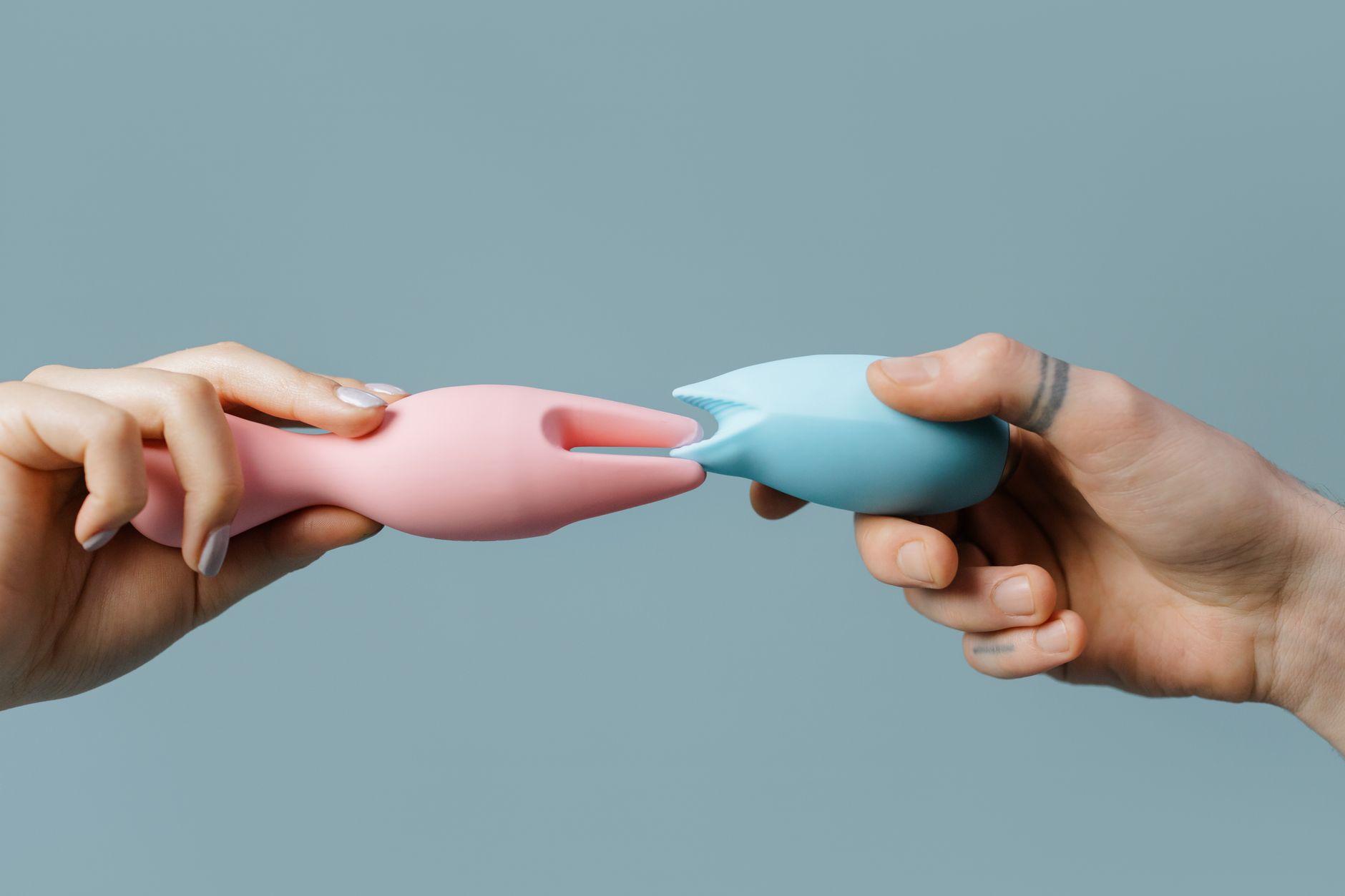
Photo by cottonbro studio on Pexels
The emotional work that changes everything
Pleasure after menopause isn't just physical. Reclaiming it often means releasing decades of rules about how your body should respond, what sex should look like, and whose pleasure matters. Many women I work with find that the shift into menopause is actually a doorway to deeper satisfaction once they stop treating it like a loss.
Let yourself explore. Try different patterns on a clitoral vibrator. Experiment with timing. Notice what feels genuinely good versus what you think should feel good. This permission is rare and valuable. Use it.
If pleasure has been low or absent for years, give yourself grace. Reconnecting takes time. That's not a reflection on menopause or on you. It's just the nature of reclaiming something important.
When to get medical support
If penetration or external touch causes pain, don't wait it out. Genitourinary syndrome of menopause is real, common, and highly treatable. A menopause-trained GP or gynecologist can prescribe topical estrogen creams that have minimal systemic absorption and can restore comfort in weeks.
If desire has completely flatlined and isn't moving even with time and exploration, testosterone therapy is worth discussing. It's prescribed more conservatively in some places than others, but it's available and often life-changing for the right person.
You might also explore how your current medications affect desire. Some antidepressants, blood pressure medications, and antihistamines can shift arousal. A quick conversation with your prescriber might open options you didn't know existed.
How to explore with lemon vibrators specifically
Lemon clitoral vibrators excel at this stage of life for a few reasons. The suction mechanism lets you control pressure without direct friction, which feels better on sensitive tissue. The patterns and intensity levels give you room to experiment. And honestly, the design is beautiful—using something you actually want to look at makes a difference in how you feel about self-pleasure.
Start with the gentlest suction setting. Let yourself get aroused first without the vibrator. Then introduce it slowly. Notice what rhythm feels good today (it might be different tomorrow, and that's completely normal). If you're exploring with a partner, showing them what feels good removes guesswork and builds intimacy.
FAQ: Your actual questions about pleasure after menopause
Does menopause permanently change orgasm sensation? Yes and no. The sensation shifts, sometimes subtly and sometimes noticeably. Some people report shallower orgasms post-menopause; others report they feel more localized or intense. The important part: you're still absolutely capable of orgasm. The form changes; the pleasure doesn't disappear.
How long does it take for pleasure to return if it's been absent for a while? There's no timeline. Some people reconnect in weeks; others need months or even longer. It depends on whether the absence was purely hormonal or also relational, emotional, or medical. Work with a therapist or sex counselor if it's been many months with no progress.
Is it normal to need more stimulation after menopause? Completely. Needing extra stimulation, longer warm-up time, or more intense sensation is not unusual post-menopause. Your nervous system isn't broken; it just has different thresholds now. This is why tools like lemon clitoral vibrators are so helpful—they give you control over exactly how much and what kind of stimulation you want.
Can you still have good sex with a partner after menopause? Yes. Sex changes; good sex doesn't disappear. Often it gets better because there's less performance anxiety and more focus on what actually feels good. Communication becomes the real skill. If you can talk about what's shifted and what you both want, intimacy deepens.
Does hormone replacement therapy help with pleasure? For many people, yes. HRT can restore some tissue elasticity and lubrication, which often makes arousal feel more accessible. But pleasure isn't purely biological. Even on HRT, you might need to reconnect emotionally or psychologically with desire. Medical support and relational work often go hand in hand.
Is it ever too late to reconnect with pleasure after menopause? No. I've worked with people who felt disconnected for a decade and found their way back. Your body doesn't have an expiration date on pleasure. What changes is how you access it, not whether you can.
What comes next
Menopause is not the end of your sexual life. It's the middle chapter, and for many people, it's the most interesting one. Your body is asking you to slow down, pay attention, and figure out what actually feels good instead of what you think should feel good.
That's not a loss. That's an upgrade.
If you're navigating pleasure after menopause and feeling lost, you're not alone—and talking it through can help. Reach out to explore what reconnecting might look like for you. Whether it's medical questions, relational shifts, or just permission to prioritize your pleasure, support exists. You deserve it.