Let's start with the honest part
One of you comes first. Then the other. And somewhere in that gap, a small story starts playing in both your heads: "Am I taking too long?" or "Did they already finish without me?" The gap isn't the problem. The silence about it is.
Orgasm timing doesn't match in most partnerships. Research puts the number somewhere between 30-40% of women and 10-15% of men who experience consistent timing gaps with their partner. That's not dysfunction. That's just bodies being bodies.
What actually causes the mismatch
Three biological facts collide here.
First, arousal curves are genuinely different. Women's arousal often requires a longer buildup and is more sensitive to context, attention, and comfort. Men's arousal typically accelerates faster, especially from direct stimulation. Neither is better. They're just different starting points.
Second, the path to orgasm differs by body. Some people need sustained pressure in one spot. Others need rhythm changes or a specific angle. Still others need mental focus. When you're trying to coordinate with someone else's body, you're basically trying to solve a puzzle where the pieces keep moving.
Third, the definition of "coming together" matters less than you think. Many couples assume simultaneous orgasm is the goal. It's not. It's actually quite rare, and chasing it often kills the pleasure for both people. The real goal is both people feeling satisfied, connected, and present. That happens at different moments.
How lemon vibrators change the timing conversation
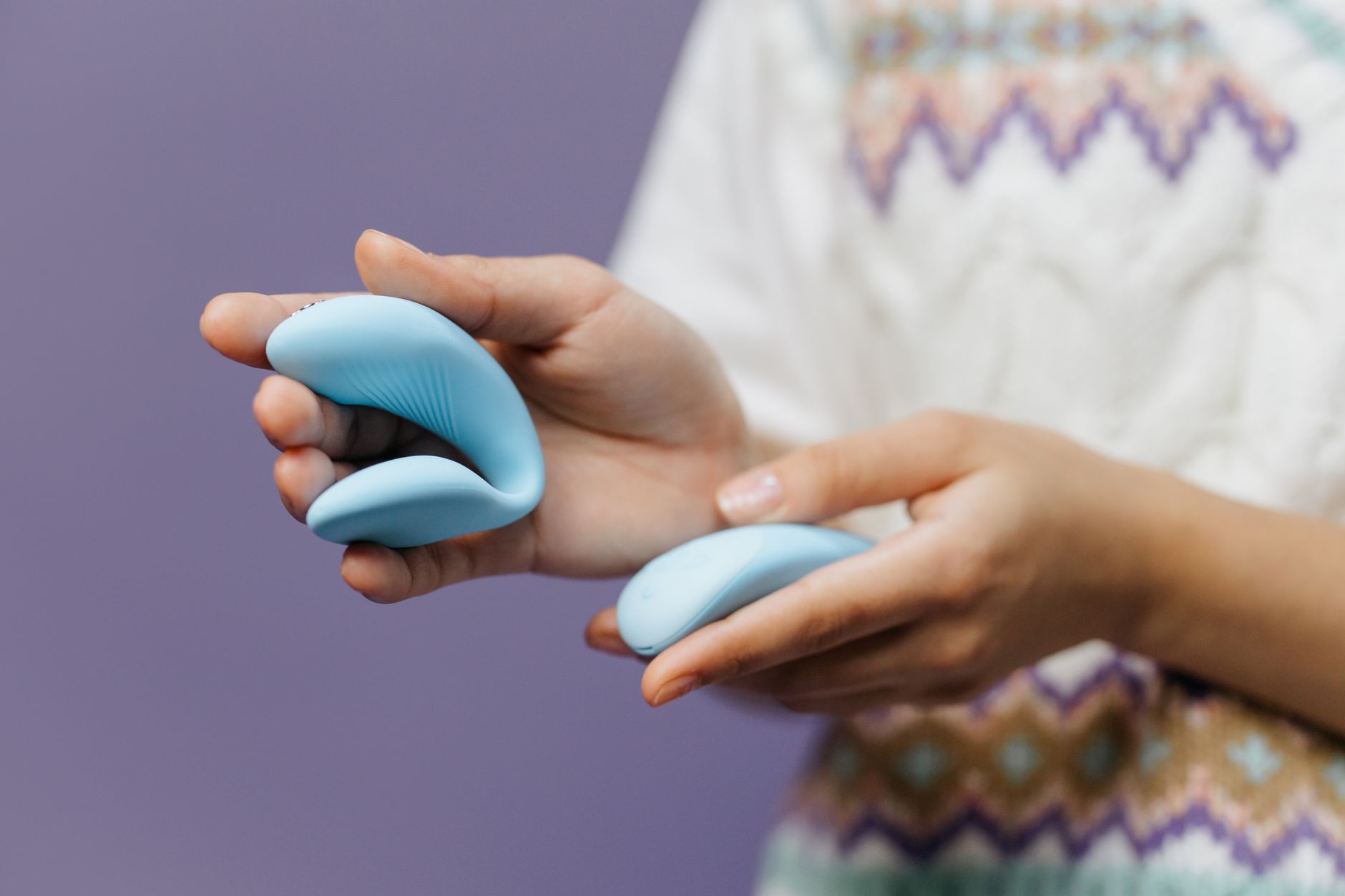
A clitoral vibrator like the Lemon does one specific thing: it provides consistent, external stimulation to the area that takes longest to reach orgasm for many people. That's not adding complexity. That's removing a bottleneck.
Here's how the timing usually works: if one partner needs direct clitoral stimulation to orgasm and the other doesn't, penetration-focused sex creates a mismatch. The person with the penetrative role gets there quickly. The other person is watching the clock. Tension builds. Nobody wins.
When you introduce a vibrator, you've created a third "participant" that doesn't get tired, lose focus, or worry about performance. One of you can focus on what feels good to your body. The other can focus on their own pleasure and connection. The timing gap becomes irrelevant because you're not trying to synchronize anymore. You're running parallel races.
Setting up the rhythm
The way most couples use a clitoral vibrator during partnered sex falls into a few patterns. Here's what actually works.
Pattern One: Use it before. One partner uses the vibrator solo or with the other's hands until they're close. Then you transition into penetration. This works especially well if the person with the vibrator is the one who takes longer. You're not racing anymore. You're starting from a place of already being aroused.
Pattern Two: Use it during. One person holds the vibrator against their own clitoris while you have penetrative sex. This requires a hand (or you can use your partner's hand to hold it in place). The benefit here is that everyone's timing is visible and acknowledged. Nobody has to fake it or perform.
Pattern Three: Use it as the main event. Skip penetration altogether if you want. One person uses the vibrator while the other provides stimulation elsewhere, touches, kisses, or just stays present. This is actually the highest-pleasure option for many people, but it requires letting go of the idea that penetration is the "real" sex.
The conversation that changes everything
The biggest mistake couples make isn't using a vibrator wrong. It's not talking about why they're using it.
If you introduce a lemon vibrator without context, it can feel like you're saying "I can't come the way we've been doing this" or worse, "I'm not satisfied." That's not what you're saying. What you're actually saying is "I want both of us to feel amazing, and this tool helps that happen."
That conversation needs to happen clothed and with time. Not at 10 p.m. when you're already in bed. Something like: "I've been thinking about how our bodies work differently. I want us both to be enjoying this, not watching the clock. Can we try something that might help?"
Then show them what you mean. Not as a test. As an experiment. "What if we tried this vibrator during? Let's see what happens." The key words are "try" and "see what happens." That removes the pressure of it having to work perfectly the first time.
Timing doesn't have to mean anything
Here's the part that shifts everything. In healthy sexual partnerships, the moment one person comes isn't the end of sex. It's a moment in sex. You keep going, keep touching, keep connecting. The first person to orgasm can stay present. The second person finishes. Then you lie there together. That's the whole experience.
When you use a vibrator, this becomes even clearer. If you're using it during partnered sex, one of you might come, and then you both keep moving until the other person gets there. No performance. No shame. No counting on your fingers.
This is actually where I see the biggest shift in couples' experiences. Once they stop treating the orgasm timing as a measure of success and start treating it as just one part of the experience, everything relaxes. The pressure dissolves. And ironically, when the pressure dissolves, the timing often becomes less of an issue in the first place.
The reality check
Some partnerships will use a vibrator once and never again. Some will use it sometimes. Some couples will make it a regular part of their sex life. All of those are fine. The tool isn't the point. The point is that you've acknowledged that your bodies work differently and you're willing to adapt.
What matters is that you're both finishing. That you both feel satisfied. That you both feel seen during the experience. A lemon clitoral vibrator helps with that, but it's not magic. It's just equipment that removes one specific source of friction.
The actual magic is the conversation. The willingness to say "our bodies don't sync up naturally and that's okay." That's the thing that changes partnerships. The vibrator is just the evidence that you meant it.
FAQ
Does using a vibrator mean my partner isn't enough?
No. Using a vibrator means you're using a tool to make sex better for both people. Partners who care about each other's pleasure use tools, communication, and whatever else helps. That's not rejection. That's investment.
What if my partner feels threatened by a vibrator?
That feeling is worth exploring, but it's often not about the vibrator. It might be about performance anxiety, a misunderstanding about what the vibrator means, or past experiences. The conversation to have is "I'm not replacing you, I'm trying to make sure we both feel good." If your partner is still resistant after you've explained clearly, that's a separate intimacy issue worth discussing together or with a couples therapist.
Can we use a vibrator if one of us has never tried one before?
Absolutely. Couples' sex is actually a good place to explore a vibrator if you're new to toys. You have another person there for comfort and feedback. Start slow, keep it playful, and remember that the first time might feel awkward. That's normal. It usually gets easier with practice.
How do I know which vibrator to use with a partner?
Look for something with a quiet motor, flexible design, and reliable battery life. The Lemon Clitoral Vibrator is designed for this exact scenario. It's quiet enough to use during partnered sex without creating noise anxiety, has multiple intensity settings so you can adjust based on preference, and the shape works whether you're using it on yourself or a partner is holding it for you.
What if we use a vibrator and one of us still doesn't come?
That's still fine. The goal isn't always mutual orgasm. Sometimes one person comes, sometimes both do, sometimes neither does and you still feel satisfied from the contact and connection. A vibrator doesn't guarantee orgasm. It just removes one barrier. Other barriers might be stress, medication, medical conditions, or simply that day not being the right day. That's all manageable without shame.
How do we talk about timing without making it awkward?
Don't talk about it during sex. Pick a time when you're both calm and clothed, maybe over coffee. Use language like "I've noticed our bodies work at different speeds" instead of "You always finish first." Frame it as a puzzle you're solving together, not a problem someone created. Then offer the solution at the same time. "I found something that might help us both feel better" is way easier than "We have a problem that needs fixing."
The bottom line
Orgasm timing mismatches are one of the quietest relationship tensions. Most couples don't talk about them because it feels vulnerable or like criticism. But the silence around it creates more distance than the timing itself ever would. A lemon vibrator is just a conversation starter. It's a way of saying "I care enough about both of us to try something different." The rest follows from there. For more guidance on navigating intimacy shifts together, check out our guide on how to use lemon vibrators when partner expectations shift with age. And if communication feels hard, remember that most couples find it easier to discuss pleasure when they're not in the moment. How to use lemon vibrators when your partner isn't interested in toys walks through that conversation too. You're not alone in this. Timing gaps are universal. How you handle them is what matters.