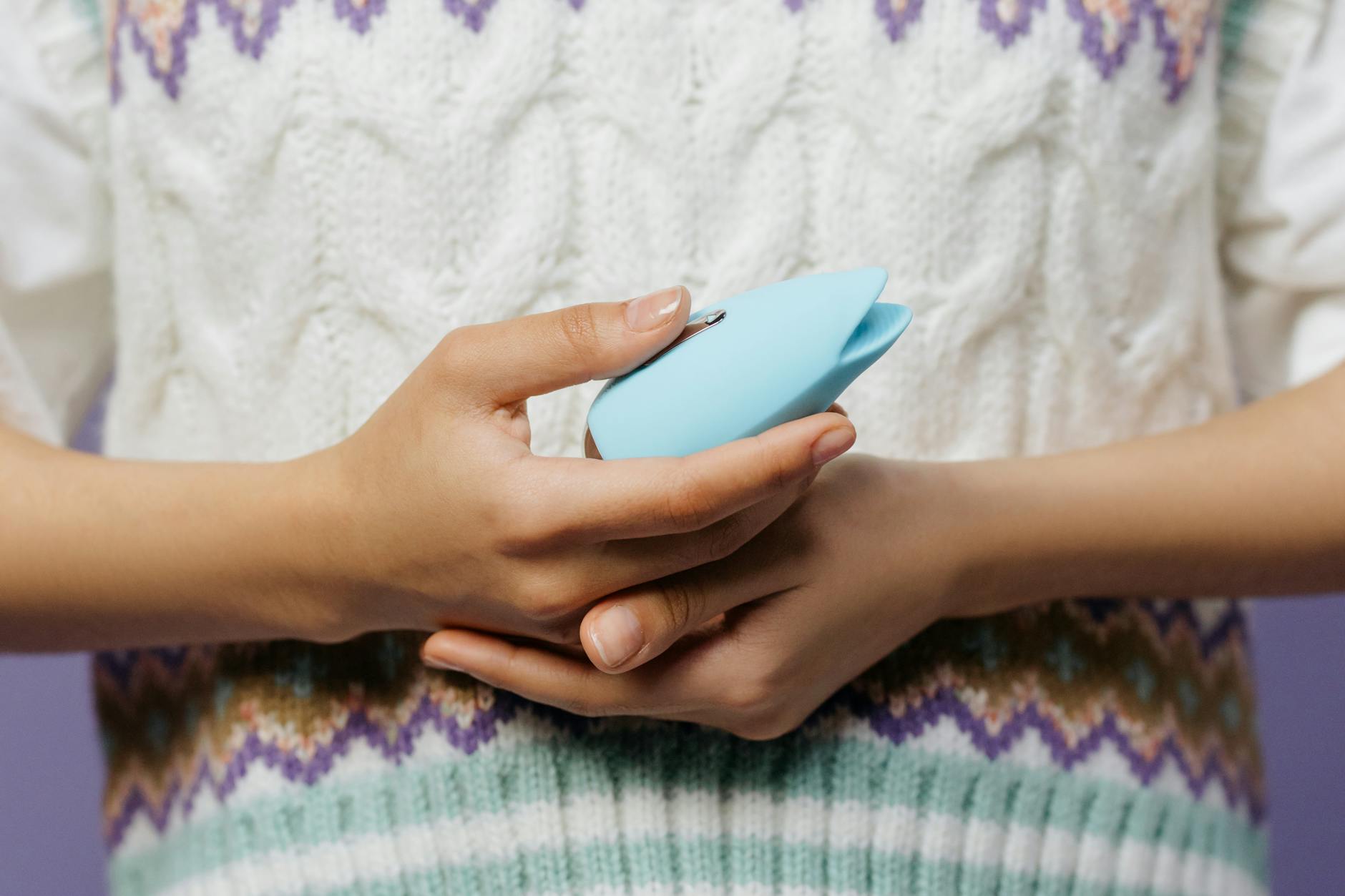
Let's name the real problem first
One of you is ready. The other isn't. Not yet. Maybe they need thirty minutes instead of ten. Maybe they need their mind to settle before their body can follow. Maybe they're the kind of person whose arousal builds slowly, steadily, like a dimmer switch instead of a light flipping on. And here's what happens: the faster partner either waits (resentfully), or starts without them (which can feel like rejection), or abandons the idea entirely (and then nobody gets what they want). It's a rhythm mismatch masquerading as a compatibility problem. It's not.
This is one of the most common friction points in long-term partnerships, and it's completely solvable. Lemon clitoral vibrators aren't just solo tools. They're actually the bridge that lets you both move at your own pace without leaving anyone behind.
Why arousal speed differences happen (and it's not about desire)
Take this to heart: a partner who takes longer to get aroused is not less interested in you. That's the narrative couples accidentally write, and it poisons everything.
Arousal speed is biological. It's neurological. It's about how someone's nervous system responds to stimulation, what their baseline cortisol is doing that day, whether they're in their head or their body. Women on hormonal birth control often need more time. People on SSRIs frequently do. Stress, sleep debt, and distraction all lengthen the timeline. None of these things mean less desire.
Here's what makes this worse: if the faster partner starts solo stimulation, the slower partner can feel like they're watching from the sidelines. It can read as "you're too slow, I'm not waiting." That's an interpretation, not the truth, but the nervous system doesn't parse nuance. It just registers exclusion.
Lemon clitoral vibrators change the dynamic because they let both of you engage with pleasure simultaneously, at your own pace. You're not waiting. You're not performing. You're both doing something that feels good.
The setup that actually works
Honestly though, this requires a conversation first. Not in bed. Not in the moment. Before.
Talk about what's actually happening. "When I need more time to warm up, I notice you seem frustrated" or "I feel like I'm holding things up." Name it. Then say: "I'd like to try something different. What if we both use vibrators? You can start whenever you want, and I'll join you when my body is ready. We're not waiting for each other. We're moving together."
This reframe does something powerful. It removes the pressure from the slower partner (you don't have to rush) and gives the faster partner permission to feel good right now (you don't have to pause your pleasure). You're both pursuing your own sensation while staying connected.
Get lemon vibrators for both of you, or if that's not in the budget, get one quality clitoral vibrator and take turns or use the same one together. The Lem is designed for external stimulation, which means two people can use it easily. Start with lower settings, build from there.
The timing that takes pressure off
Here's what I see couples do wrong: they rush foreplay because they're anxious about falling out of sync. The faster partner speeds up. The slower partner feels rushed. Everything gets tense. Nobody wins.
Instead, flip the timeline. Decide that you're going to spend twenty or thirty minutes on pleasure, no intercourse timeline pressure. The slower partner can take fifteen minutes just getting their body online, using vibration to help the arousal build. The faster partner can spend that same time exploring sensation. You're not rushing toward penetration or a finish line. You're both just... enjoying yourself.
Lemon clitoral vibrators help because they create novelty and sensation that can actually speed arousal in the slower partner without any pressure. Sometimes a new sensation is exactly what the nervous system needs to wake up. Sometimes the feeling of pursuing your own pleasure without watching the clock is what creates safety.
Start using them at the same time. The faster partner goes first, or they start together. The slower partner doesn't have to perform readiness they don't have. They can just follow their body's actual timeline.
When to bring it into partnered stimulation
Say you've moved into foreplay together. One of you is fully aroused. The other is getting there but isn't quite at the same level. This is where lemon adult toys genuinely change the experience.
The slower partner can use a clitoral vibrator while the faster partner is stimulating them manually or with their body. This isn't a replacement for their partner's touch. It's an addition. It says: "I want to feel good right now, and I also want to stay connected to you." You can kiss while using vibration. You can make eye contact. You're not separated. You're just bringing in the exact stimulation that lets that person's body catch up.
For the faster partner, watching your partner use a lemon clitoral vibrator can actually be incredibly hot. You get to see them feeling good. You get to see their pleasure building. It's not a sign that you're not enough. It's the opposite. It's the two of you creating the exact conditions you both need.
The arousal gap during intercourse (yes, this is real)
Here's something nobody talks about enough: sometimes one partner is ready for intercourse and the other isn't quite there yet, but they're close. If you rush into penetration when the slower partner isn't fully aroused, you're back to tension, friction (the bad kind), and possible discomfort.
Keep the vibrator nearby during this transition. The partner who needs more time can use it right as penetration starts, or continue using it during. This helps their arousal peak in sync with their partner's. It means you're actually ready for each other at the same moment. That's the whole point.
I've worked with dozens of couples who felt broken because their timings didn't match. What they really needed was a bridge. Lemon sexual toys are that bridge.
Making it not about "fixing" anyone
This is the part that matters most: frame it correctly internally, and it changes everything.
If you're the faster partner, this isn't about your partner being broken or slow. It's about you both getting to feel good. If you're the slower partner, this isn't about you being deficient. It's about honoring how your nervous system actually works. A lemon vibrator isn't a prosthetic. It's an option.
The couple who succeeds with this is the couple who says, "We're different, and that's useful information we can work with." Not "We're broken and this fixes it."
As you explore this together, pay attention to what you actually enjoy. Does the slower partner prefer warm-up time alone first, then partnered play? Do they want simultaneous stimulation from the start? Does the faster partner love watching, or does it help them if you're face-to-face? Everyone's nervous system is different.
The beauty of using clitoral vibrators as a couples tool is that it gives you permission to stop performing readiness and just be honest about what helps you feel good. That honesty? That's intimacy.
People also ask
Can we use the same lemon clitoral vibrator together, or do we each need our own?
You can absolutely share one vibrator. Some couples prefer using it on each other. Some prefer each person using it on themselves while touching each other. There's no rule. That said, having two gives you total independence. One partner can use their vibrator while the other uses touch, fingers, or oral stimulation. You're not negotiating whose turn it is. It removes logistics from the moment.
What if using a vibrator together feels awkward at first?
It will. New things always do. You're changing the script. That's supposed to feel different. Start small. Maybe one of you uses it solo while the other watches, just to demystify it. Then try it together with no pressure to go anywhere or accomplish anything. Let awkwardness be part of the exploration. It usually passes in a session or two.
Does using a lemon vibrator mean my partner thinks I'm not enough?
No. This is the narrative a lot of people accidentally adopt, and I need to be direct: that's anxiety talking, not truth. A tool that helps your partner's body feel better is not a referendum on you. A faster-warming partner who needs vibration during foreplay is not saying you're inadequate. They're saying, "This helps my body work better." You want their body to work well. You want them to feel good. A vibrator helps with that.
How do we talk about this without it feeling like we're diagnosing a problem?
Frame it as an experiment, not a fix. "I read something about couples using vibrators together and thought it might be fun to try." Or: "I want us both to feel really good. What if we tried this?" Don't lead with "You take too long." Lead with curiosity about what could feel good for both of you. The conversation becomes about pleasure, not about what's wrong.
What if one of us wants to use it and the other doesn't?
That's fine. You're not both required to be into it. If one partner wants to explore lemon vibrators and the other doesn't, you still have options. The interested partner can use one solo while the other engages however feels good to them. Touch, oral, manual stimulation. Partnered sex doesn't require both people to use the same tools. It requires both people to feel good. Find what that actually looks like for you.
Can lemon clitoral vibrators actually help us get aroused at the same time?
They can help the slower-arousing partner get there faster by introducing novel sensation and removing the pressure of watching the clock. But honestly, perfect synchronization isn't the goal. The goal is both people feeling good without resentment or performance pressure. Sometimes you'll climax at different times. That's normal and fine. The tool helps by letting you both pursue your actual pleasure instead of performing readiness.
What actually changes
The couples who figure this out don't talk about "solving" their timing mismatch. They talk about finally feeling like they're on the same team. The faster partner stops resenting the wait. The slower partner stops feeling broken or rushed. You both get to feel good, and you get to do it in a way that lets you stay connected.
One more thing: this works because it's not about fixing anyone. It's about both of you getting curious about what helps your bodies feel good and then creating space for that. That's the real work. The vibrator is just the vehicle.
If you're ready to explore this, start with a conversation. Then get curious together. Learn more about what works for your body and your relationship or reach out if you want guidance on navigating arousal differences with your partner.