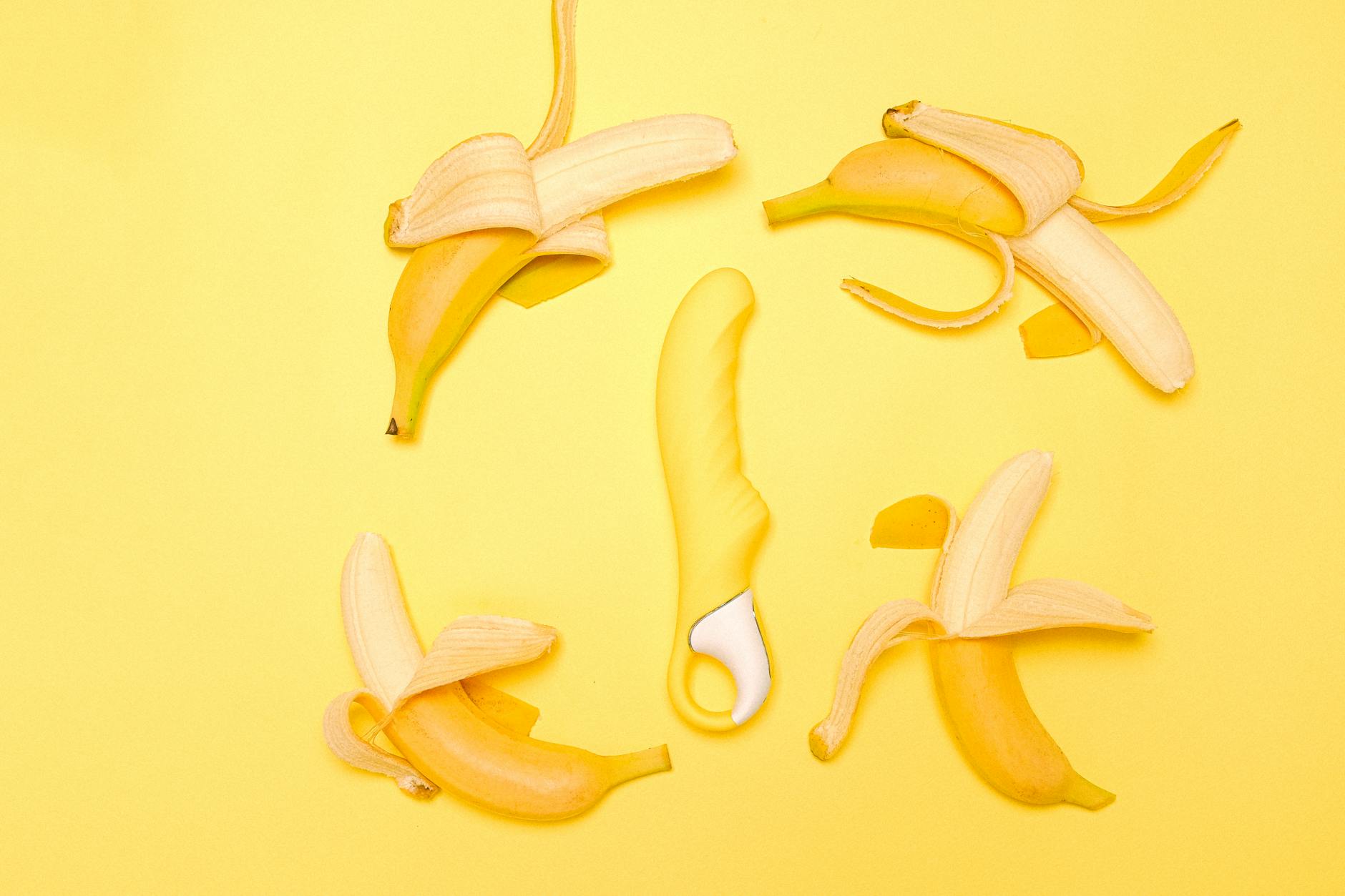
How to Use Lemon Vibrators When Desire Returns After a Relationship Break
Here's the thing about desire returning after a breakup or long stretch of being single: it doesn't announce itself. You don't wake up on day one and feel horny. Instead, it sneaks back in sideways. A song triggers something. You catch yourself thinking about touch. Your body starts asking for things it's forgotten how to want.
If that's where you are right now, this is for you.
I've worked with dozens of people navigating this exact moment—the gap between "I'm done with intimacy" and "I want to feel something again." The confusion is real. Your nervous system has been in a different operating mode for months. Your sense of what your body wants has shifted. And jumping back into partnered sex or even solo pleasure can feel weirdly awkward, like you're relearning your own anatomy.
The good news: you're not broken, and you don't have to figure this out through partnered sex alone. Clitoral vibrators like those from Lemon Intimacy can be exactly the right tool for this specific transition.
The emotional reset that happens first
Before we talk about technique or tools, let's name what's actually happening in your body right now. After a relationship ends or after a long period without sexual expression, your nervous system downregulates. That's not weakness or trauma—that's adaptation. Your brain and body learned to conserve energy in that area because it wasn't being used.
So when desire starts returning, it's not just a physical thing. Your brain is also waking up. You're processing the fact that you're allowed to want again. That you're not betraying anyone. That your pleasure belongs to you and no one else.
This psychological shift is crucial. Before you pick up any vibrator, notice where you are in that emotional reset. Are you excited? Nervous? Guilty? Scattered? All of those are completely normal, and they all affect how sensation lands in your body.
Why sensation feels different than you remember
Your clitoris hasn't changed. The nerve density is the same. But the way your brain is processing input might feel entirely different. You might notice that your arousal takes longer to build. Your sensitivity might feel muted, or weirdly heightened in unexpected ways. Some people find that direct clitoral touch feels too intense after a break, even though it used to be their favorite thing.
This isn't permanent. It's your nervous system recalibrating.
When you've been in a sustained intimate relationship, your body learns a rhythm. You know what to expect. There's a familiar sequence. Your nervous system can relax into that pattern. After a break, especially a long one, that muscle memory loosens. Your body is essentially asking: "Is it safe to open back up here? What's the pacing? Who's in control?"
The answer is: you are. And that control is actually the biggest difference you'll notice.
How lemon clitoral vibrators fit into this specific moment
Clitoral vibrators are particularly useful during this transition because they give you something your body has been missing: predictable, controllable sensation that doesn't depend on a partner's mood, timing, or presence.
When you're returning to pleasure after a gap, that consistency matters. A device like the Lem from Lemon Intimacy has defined settings. You choose the pattern, the intensity, the duration. There's no negotiation, no reading someone else's cues, no worrying about whether you're taking too long.
For people relearning their own desire, that's powerful.
Specifically, air-suction vibrators (like the clitoral sucking toys from Lemon Intimacy) offer something slightly different from traditional vibration. Instead of direct buzzing, they create a gentle pulsing sensation that builds pleasure more gradually. That can be exactly right if your sensitivity feels heightened or if you've realized that the kind of stimulation that worked for you before doesn't work anymore.
Starting small: rebuilding your relationship with touch
Let's talk about the first time you use a lemon vibrator after this gap. Here's what I recommend.
Pick a time with zero pressure. Not "I should try this," but genuinely when you're curious or feeling a hint of desire. You're not checking off a box. You're exploring because some part of you is interested.
Start with the lowest setting. Even if you remember liking intense sensation, dial it down. Your nervous system has been in a different mode, and intensity can jolt rather than invite. Begin with pattern one or two. You can always increase it. You can't un-feel a surprise jolt.
Don't expect anything. Seriously. Not an orgasm, not intense pleasure, not even certainty that you like it. You're gathering information about what your body is doing right now. That's the only goal.
Notice what actually happens. Does your breath change? Does the sensation build or stay flat? Does your mind wander, or do you get pulled into your body? Do you feel more alive, or more numb? There's no correct answer. You're just paying attention.
Working with lubrication and comfort
After a break from sexual activity, your body might not self-lubricate as readily as it used to. That's not because something's wrong. It's because the arousal cycle is currently offline. Add a good water-based lubricant to your clitoral vibrator sessions, especially in the early days.
It serves two purposes. First, it makes physical sensation more comfortable and more pleasurable. Second, it sends a signal to your nervous system: "This is safe and intentional. We're taking care of ourselves here." That's not trivial. That signal helps your body relax into the experience.
Use lubricant generously. It's not cheating. It's part of reconnecting.
The rhythm of returning desire
One thing that surprised many of my clients when they started exploring again: desire doesn't come back linearly. You might have an amazing session with your lemon clitoral vibrator one week and feel completely uninterested the next. You might discover that you want something totally different now than you wanted before.
That's not failure. That's your body updating you about what it actually wants.
Some people find that after weeks of solo exploration, they suddenly feel ready for partnered sex. Others get really interested in solo pleasure and that satisfaction lasts for months. Neither is the "correct" destination. The goal is reconnecting with your own desire on your own terms—which might mean your path looks totally different from what you expected.
When to bring a partner back in
If you're considering a new relationship or reconnecting with someone you were already involved with, here's my thought: explore solo first. Spend at least a few weeks—ideally longer—relearning what you want without anyone else's input.
When you do talk to a partner about pleasure (or toys, or what's changed for you), you're speaking from a place of knowledge instead of uncertainty. "I've been exploring and I've discovered I like slower warm-up time" is miles different from "I'm not sure what I like anymore."
That knowledge makes you a better communicator and a more satisfied partner.
Navigating guilt and permission
Here's something I address constantly: guilt about wanting pleasure again. Maybe you feel like you should still be grieving. Maybe you're worried that desiring someone new means you didn't actually love your ex. Maybe you feel weird about exploring your own body with a toy after being coupled for so long.
Can I be direct? None of that guilt is protecting you. It's just slowing down your own healing.
Your body getting curious about pleasure again is not disrespect to a past relationship. It's you coming back to yourself. Exploring with a lemon vibrator isn't a substitute for a partner—it's a way of reclaiming agency over your own sensation. Wanting something different now than you wanted five years ago is just what growth looks like.
You deserve to explore without that weight.
FAQ: Desire and Rediscovery
How long after a breakup should I wait before using a vibrator?
There's no rule. Some people want to reclaim their pleasure immediately. Others need months. Neither timeline is wrong. What matters is that you're doing it for yourself, not because you feel like you "should" by a certain date. If you're using it to numb or punish rather than explore, that's a sign to wait a bit longer. If you're curious and interested, go ahead.
Can using a lemon vibrator solo make it harder to orgasm with a partner later?
No. If anything, the opposite. Understanding what your body actually wants makes partnered sex better, not worse. When you know the sensation you like, the pacing you prefer, the kind of touch that works for you, you can communicate that to a partner. That communication leads to more satisfying sex, not less.
What if I use a lemon clitoral vibrator and feel nothing?
That's completely common in the first few weeks. Your arousal pathway might need time to wake up. Keep going—not obsessively, but keep exploring. Try different settings, different times of day, different states of mind. Some people find they feel more sensation after a warm bath, or when they're already in a good mood, or after they've had some physical activity. You're not broken. You're just recalibrating.
Is it weird to prefer vibrators to partnered sex right now?
Not even a little. You have full control, zero pressure, no one else's timing to accommodate. That can feel incredible when you're relearning your own desire. As long as you're being honest with yourself about what you want (and eventually with any partners), preferring solo pleasure for a while is completely healthy.
How do I bring a partner into this if they don't know about the vibrator?
Depends on the relationship and how you generally communicate. If you're building something new, you can introduce it naturally as part of exploring together—"I've been using this and it helps me figure out what I like." If it's someone you were already intimate with, it's a conversation about your body's needs changing, which is always true. Framing it as information rather than criticism helps. "I've discovered I like slower stimulation than I used to" isn't a judgment. It's you asking for what works.
What if I feel ashamed using a vibrator after being single for a long time?
That shame is cultural, not personal. You're allowed to want pleasure. Full stop. Using a lemon vibrator to reconnect with your body is an act of self-care, not something to hide. If the shame is really loud, journal about it or talk to someone. Sometimes we need to process what we were taught about female desire before we can move past it.
You're not starting over, you're coming back
The language matters here. You're not starting from zero. You have a full history of your own body. You know what pleasure feels like. You've had orgasms. That knowledge doesn't disappear just because you took a break.
What's happening now is reconnection, not discovery. You're meeting your own desire again. You're rebuilding trust with your body. You're remembering that pleasure belongs to you, not to a relationship status.
That's worth doing slowly, with attention, and with tools that feel good in your hand. A lemon vibrator—whether you choose the Lem or another model from Lemon Intimacy—can be exactly that tool.
Welcome back to yourself. Your desire missed you, and it's good that it's back.
If you're navigating this transition and want more personalized support, reach out to us. We're here to answer questions about products, comfort, or anything in between.