
When Your Orgasms Stopped Feeling Like Much
Let's be real. You remember what it used to feel like. That full-body surge, the mental blank-out, the kind of orgasm that left you genuinely spent. And now? It's more of a blip. Maybe a mild flutter. Maybe you're not even sure it happened.
You're not alone, and it's not in your head.
Why Orgasm Intensity Actually Changes
Orgasm isn't one thing. It's a coordinated chain of events involving the clitoris, the vagina, the pelvic floor, the nervous system, and the brain all firing in sync. When any one of those pieces changes, the whole experience shifts. And there are way more reasons this happens than most people realize.
The first culprit is usually the pelvic floor. Over time, especially after pregnancy, prolonged sitting, or just years of tension, the pelvic floor muscles can lose elasticity and tone. This means less pressure buildup before orgasm and less rhythmic contraction during. The sensation gets shallower. Not broken. Just quieter.
The second is desensitization from repetition. If you've been using the same stimulation pattern, the same pressure level, the same rhythm for months or years, your nerve endings adapt. Your brain literally stops registering it as novel. Neuroscientists call this habituation. You just call it boring.
The third is hormonal. Not every change is perimenopause or menopause, but shifts in estrogen, progesterone, or thyroid function will absolutely dampen sensation. So will birth control changes, certain medications, or even prolonged stress. Cortisol is the orgasm's enemy.
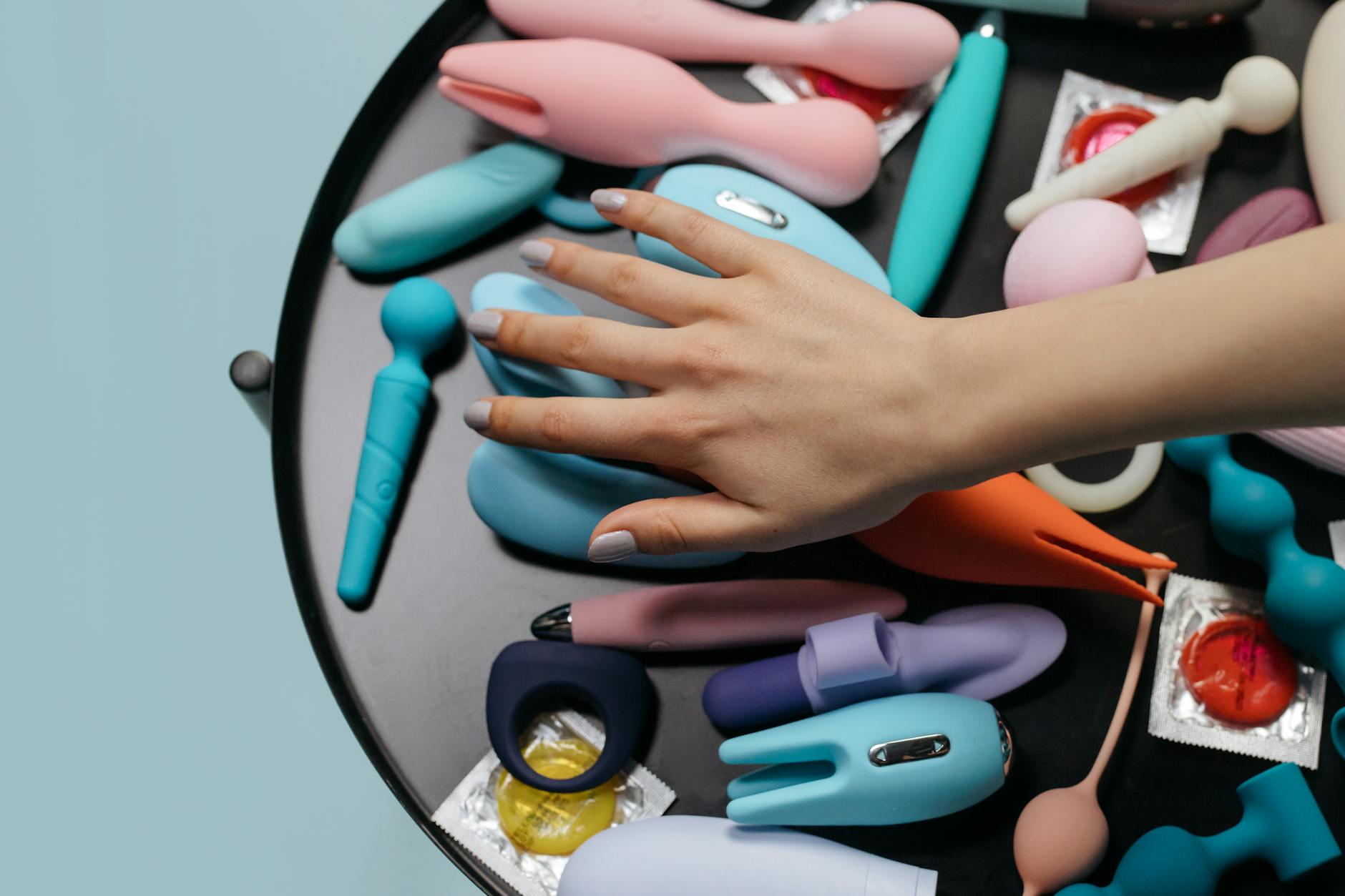
Photo by cottonbro studio on Pexels
What Happens When You Switch to a Lemon Clitoral Vibrator
Here's where air-suction technology changes the game. Most vibrators work through direct oscillation. They buzz. Your pelvic floor tenses in response, which feels good, but the stimulation is linear and predictable. Your nervous system adapts fast.
Lemon vibrators use a completely different mechanism. They create a gentle seal around the clitoris and use rhythmic suction combined with pulsing patterns. This isn't just vibration. It's stimulation layered on stimulation. Your nerve endings get multiple types of input simultaneously. The suction creates pressure and release cycles that naturally build arousal differently than straight oscillation.
For people whose orgasms have flattened, this shift alone can be revelatory. You're not just adding intensity. You're adding novelty and complexity. Your nervous system wakes up.
The Three-Stage Protocol for Rebuilding Intensity
Honestly though, switching tools is only half the equation. How you use them matters just as much.
Stage 1: Reset and Rediscover (Two Weeks)
Start by slowing down completely. Forget what you think should happen. Give yourself 20 to 30 minutes with zero goal other than noticing sensation. Use the Lemon vibrator on the lowest pulse setting. Let yourself feel the suction without chasing the finish.
This isn't meditation (though it has that vibe). You're literally resetting your nervous system's baseline. When you've been used to muted sensation, low stimulation feels surprisingly intense. Spend two weeks here. I know it sounds long. It works.
Stage 2: Explore Patterns and Rhythm (Two to Three Weeks)
Once baseline sensation returns, start experimenting with the pattern variations. Most lemon clitoral vibrators have 3 to 8 different pulse modes. Spend one session per mode. Notice which ones build arousal fastest. Which ones feel almost unbearable if you stay on them too long. Which ones you can oscillate between without losing momentum.
This isn't random. You're mapping your nervous system's current state. What worked two years ago might not work now. The goal is to discover what builds the most pressure in your specific body today.
Stage 3: Layering and Intensity Building (Ongoing)
Once you know your patterns, you can layer. Start on mode 2, transition to mode 5 halfway through, drop back to 3 to cool intensity slightly, then climb toward your climax. The rhythm variation itself becomes part of the stimulus. Your pelvic floor gets cues to engage differently. Orgasm comes back rounder and deeper.
Pelvic Floor Engagement Matters More Than You'd Think
Here's something most orgasm advice skips: your pelvic floor does more than contract during climax. It has to be in the right state going in. Too tight from stress or chronic tension and you get a clipped, shallow orgasm. Too loose and the pressure never builds enough to feel satisfying.
Before using a lemon sexual toy, try a 30-second pelvic floor reset. Lie on your back, breathe in for 4 counts, then exhale and relax your entire pelvic floor as much as you can for another 4 counts. Don't Kegel. Actually release. Repeat 5 to 10 times. This is the opposite of most pelvic floor advice and it's the secret move for rebuilding orgasm depth.
Then use your Lemon vibrator. The combination of a relaxed baseline and air-suction stimulation creates space for pressure to build properly. Orgasms get their architecture back.
When Sensation Blocks Are Emotional, Not Physical
Sometimes muted orgasms aren't anatomical. They're about what's happening in your brain and your relationship. If you're anxious about performance, worried about your partner's perception, or carrying tension from disconnection, your nervous system stays in a low-arousal state. Sensation gets dampened as a protective mechanism.
In this case, the lemon vibrator can help, but so does addressing what's underneath. If you're in a relationship, rebuilding trust and intimacy after a long absence from sex is worth the conversation. Solo exploration with lemon clitoral vibrators can also help you reclaim sensation without the pressure of another person present.
If anxiety is the issue, that's worth naming. Sometimes just 10 minutes of actual breathing (not Netflix, not scrolling) before solo time can shift everything.
When to Suspect Hormonal Changes
If your orgasm intensity dropped suddenly and nothing else in your routine changed, hormones are worth investigating. Schedule bloodwork. Check your thyroid. If you're on birth control, ask your prescriber about the specific formulation. Some progestin-only methods blunt sensation more than others.
This isn't a reason to stop using lemon vibrators. It's just context. Knowing the root helps you make an informed choice about whether medication adjustments are worth it to you. Sometimes they are. Sometimes the sensory reset that comes from switching to air-suction technology is enough.
The Unexpected Part: Sometimes Less Intense Is Better
Here's what I tell people: not every orgasm needs to be a 10. Some of the most satisfying sessions are the ones where climax is gentle and rolling instead of explosive. The goal isn't to return to what you had at 22. The goal is to return to feeling something.
Using a lemon vibrator as part of that process means you have options. You can build intensity when you want it. You can also enjoy the quieter pleasure when that's what the moment calls for. That flexibility is its own kind of freedom.
Frequently Asked Questions
Why do orgasms feel less intense as you get older?
Age itself doesn't automatically dull orgasms, but the lifestyle factors that often come with aging do. Increased stress, less sleep, hormonal changes, reduced pelvic floor tone, and years of using the same stimulation pattern all contribute. The good news is that almost all of these are addressable. Switching to a lemon clitoral vibrator often restores sensation because it introduces novelty and stimulates tissue in a new way. Pelvic floor exercises, stress management, and sleep also matter enormously.
Can antidepressants cause weaker orgasms?
Yes. SSRIs in particular can delay or dampen arousal and orgasm in 30 to 40 percent of people who take them. If you're on antidepressants and noticed the shift around the same time you started them, mention this to your prescriber. Sometimes adjusting timing, dose, or medication entirely helps. If you need to stay on the medication, lemon vibrators and longer warm-up time can help compensate by providing more intense initial stimulation.
How long does it take to feel orgasm intensity return?
That depends on what caused the dulling. If it's desensitization from routine, two to three weeks of pulsing pattern variation usually shows results. If it's pelvic floor tension, four to six weeks of consistent relaxation work helps. If it's hormonal, it depends on whether you're adjusting medication or waiting for a cycle shift. Most people notice something within the first month of switching to a lemon adult toy, though the deepest changes take longer.
Is it normal for orgasms to change throughout your life?
Completely normal. Orgasm intensity fluctuates with stress, hormones, age, relationship status, medication, and your own nervous system's sensitivity at any given moment. What's not normal is feeling like you have no control over it. Using lemon sexual toys strategically gives you back agency. You can experiment, adjust, and rediscover what works for your body right now, not what worked five years ago.
Can a partner help restore orgasm intensity?
Yes and no. A partner can help by creating space for longer, less goal-oriented intimacy. They can also introduce novelty and variation. But the person most equipped to restore your orgasm intensity is you, because you know your body's signals best. Solo exploration with lemon vibrators often helps you rebuild sensation faster than partnered sex. Once you know what works, bringing that knowledge to your partner is a different conversation.
Does switching vibrators actually make a difference?
Yes, especially if you're moving from basic vibration to air-suction technology. The stimulation pattern is so different that your nervous system re-engages. That said, switching to any new toy works temporarily because of novelty. The lasting change comes from understanding why your orgasms flattened and addressing that root cause while using the new toy intentionally.
The Bottom Line
Orgasms that used to feel powerful don't have to stay muted. Switching to a lemon vibrator that uses air-suction technology gives your nervous system new input. Layering that with pelvic floor awareness, pattern exploration, and honest assessment of what changed in your life creates real momentum.
Start with the reset stage. Give yourself permission to slow down. Rediscover sensation before chasing intensity. Most people find that orgasm depth returns within weeks once they commit to the process.
If this resonates and you want to dig deeper into what's blocking your pleasure, reach out. That's what I'm here for.