Let's name what's really happening
You've been away from sex for a while. Whether it's been six months, three years, or longer, you're not broken. Your body hasn't forgotten. What's actually happening is a layer of doubt has settled in, and that doubt feels physical. It lives in tension you're carrying, the hesitation before you touch yourself, the voice asking "will this even work anymore?" The good news: that's exactly what rebuilding sexual confidence is designed to address.
The gap between where you were and where you are now doesn't have to feel like a chasm. It just requires a different approach to getting back.
What actually changes when you've been away from sex
Honestly, your anatomy is more resilient than you think. The clitoral nerve endings don't atrophy. Orgasm capacity doesn't fade like a gym membership you forgot to use. What does shift is sensitivity and familiarity. After months of no touch, your body gets quieter. You lose the habit of listening to signals you used to understand fluently. That's not damage. That's dormancy.
Three things typically happen physiologically when you return to sex after a long break. First, arousal takes longer. Your body needs more time to build lubrication and blood flow to the genitals. Second, initial sensation might feel different. Flatter, or more muted, or slightly uncomfortable. Third, your pelvic floor muscles may be tighter than they were. Tension lives there when we've been anxious or haven't been using those muscles. That's information, not a problem.
The psychological side is often the bigger piece
Here's what I see most often in my practice: the physical apprehension is real, but the emotional apprehension is bigger. You're carrying questions like "will my body respond?" or "will I feel like myself again?" or "what if nothing happens?" Those questions deserve answers, but not from your partner. First from yourself.
Sexual confidence isn't about performance. It's about trust. Trust that your body can feel, that you deserve to feel, and that reconnecting with yourself sexually is a legitimate priority, not a luxury or a "nice to have after everything else is handled." The gap between knowing that intellectually and believing it in your nervous system is where solo play becomes essential.
Start with yourself, alone, no pressure
If you're planning to return to sex with a partner, you need this step first. Exploring your own pleasure in private does two things. It reminds your nervous system that arousal is safe. It gives you actual data about what your body needs now, not what it needed five years ago.
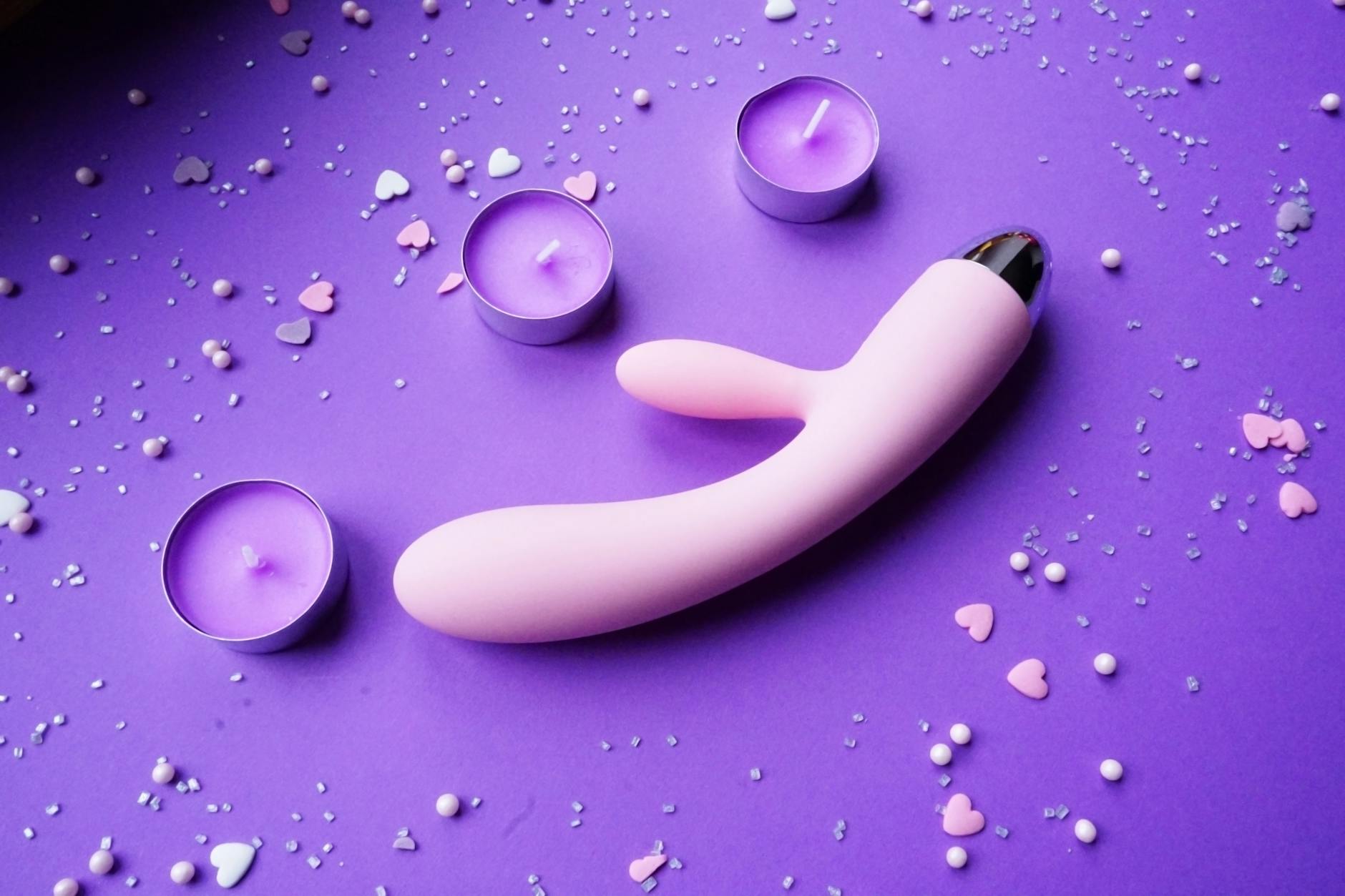
Set aside 20 to 30 minutes. No partner, no performance, no outcome target. The goal is not orgasm. The goal is sensation. Start with touch you know is gentle. Your hands. Then slowly introduce something you can control entirely. A lemon clitoral vibrator is often ideal for this because suction-based stimulation works differently than vibration. It's less about friction intensity and more about sustained, rhythmic pressure. If you've been away from sex, that feels like easing into cold water rather than diving. You can start on the lowest setting and stay there.
What you're doing is teaching your nervous system "touch is safe, pleasure is available." Your brain needs to collect evidence before it believes it.
Managing anxiety as you reconnect
Anxiety during sex after a long break is completely normal. Your body interprets the gap as a sign that something was unsafe. You're essentially asking it to override a protective instinct. That's a process, not a switch.
Three practical moves: first, go slower than you think you need to. If your instinct says "five minutes of touch," try ten. If ten feels right, that's the new baseline. Second, check in with your breathing. Shallow breathing is your nervous system saying "I'm not sure this is safe." Deeper, slower breathing is what tells it "this is fine." Breathing is the one part of your nervous system you can hack directly. Third, celebrate small wins. If three months ago touching yourself felt impossible and now you've done it twice, that's the win. Not the orgasm. The willingness to try.
When you're ready to involve a partner
The conversation with a partner needs to happen before sex does. Not during sex when you're vulnerable and can't think straight. Sit down when you're both clothed and calm and say something like: "I'm ready to explore sex again, and I need to go slowly. I need you to check in with me, and I need to know you're not disappointed if this takes time."
That's not killing spontaneity. That's building trust. Most partners would rather have that conversation than guess at what you need and get it wrong.
When you do return to sex with a partner, consider starting with non-penetrative touch. Hands, bodies, kissing. Let your own arousal build naturally before anything else is introduced. And here's the thing nobody says out loud: you don't have to have an orgasm for it to be good sex. If you've been away for years, pleasure without orgasm is actually a gentler re-entry than trying to arrive at a specific destination.
Why lemon clitoral vibrators help this process
I mention them specifically because they're designed for exactly what you need right now. Unlike traditional vibrators, which rely on frequency, lemon suction toys create a seal and pulse. That means you can control intensity without controlling sensation. You're not managing a motor that's trying to do too much. You're managing pressure. For someone rebuilding confidence, that distinction matters. It's less overwhelming, more intuitive. You can use a lemon vibrator solo to rebuild trust in your own body. You can also use one with a partner, which lets both of you focus on connection rather than technique.
You might also find that returning to sex after a break has its own rhythm depending on what caused the gap in the first place. If it was medical, if it was relationship strain, if it was simple life circumstance, the emotional landscape is different. What stays the same is that your body is waiting for permission to feel again.
Timeline expectations: be patient with yourself
Some people reconnect to sex in weeks. Some take months. Some spend three months rebuilding confidence solo before involving a partner at all. There's no timeline for this. The benchmark isn't "back to where you were." It's "where I am now feels okay, and getting better." That might mean you're aroused at sixty percent of your previous capacity, and you're comfortable with that because the anxiety is gone. That's success.
One thing I notice: people often expect themselves to snap back to their old sexual self. Your old sexual self existed in a different body, with different life circumstances, different stress levels, different relationship dynamics. You're not rebuilding the same thing. You're building something new that fits who you are now.
The mental game is the real work
After a long gap from sex, your brain has built a strong association between "sex" and "not happening." Your nervous system thinks that's protective. Breaking that association takes deliberate practice, not heroic effort. Touching yourself once is practice. Saying "I deserve to feel pleasure" even when you don't quite believe it yet is practice. Having the awkward conversation with your partner about going slowly is practice.
Sexual confidence isn't about being uninhibited. It's about being willing to feel, even when you're uncertain of the outcome. It's about trusting that your body can surprise you again, even after a long quiet period. And it's absolutely something you can rebuild, one small decision at a time.
People also ask
How long does it take for your body to feel normal again after a long break from sex?
There's no fixed timeline, but most people report feeling more comfortable and less anxious within 4 to 12 weeks of regular solo play or partnered sex. "Normal" is tricky though because your body isn't the same as it was before the break. Hormones shift, muscle tone changes, stress patterns evolve. The goal isn't returning to a past baseline but finding what feels good in your current body. Some people find that their most pleasurable experiences happen after a gap, once they've rebuilt without performance pressure.
Is it normal to feel pain or discomfort when returning to sex after months of no sex?
Mild discomfort on the first attempt is common, especially if there's anxiety involved. Anxiety tightens the pelvic floor, which can make entry uncomfortable. Pain that's sharp, severe, or doesn't improve after a few attempts is a signal to check in with a gynecologist. Sometimes a long break coincides with other changes (hormonal shifts, relationship strain, medical conditions) that need attention. Don't power through genuine pain. Get it checked.
Can using a lemon vibrator help me feel confident about my body again?
Absolutely. Solo play with a toy you control entirely gives your nervous system proof that pleasure is available and safe. A lemon clitoral vibrator specifically helps because it's less intense than many traditional options, and the suction sensation is very responsive to your own movements. You can start at the lowest setting, explore your own sensitivity, and gradually work up. That builds agency and confidence.
What if I'm worried my partner will judge me for taking time to reconnect sexually?
That's worth a serious conversation before sex happens. If a partner responds with impatience or judgment to your need for a slower rebuild, that's information about the relationship, not information about you. A partner worth sleeping with is a partner who can say "take the time you need" and mean it. Sometimes that conversation itself reveals what needs to happen next.
Should I try to have sex or just focus on solo play at first?
Most people benefit from solo exploration first. It gives you data about what your current body needs without the pressure of performance or someone else's timeline. Once you've reconnected with solo sensation a few times and feel calmer about it, partnered sex becomes less fraught. You're not figuring out your body and managing someone else's expectations at the same time.
What if I was sexually active for a long time, then stopped for years. Can I regain the same capacity for pleasure?
Capacity for pleasure doesn't really fade; access to it does. Your nervous system can absolutely relearn that arousal is safe. What often changes is the type of pleasure you're after. After a long gap, many people find they want something different: slower, more connected, less goal-oriented. That's not loss. That's evolution. Your body knows what it needs now. Listening to that is the real return.