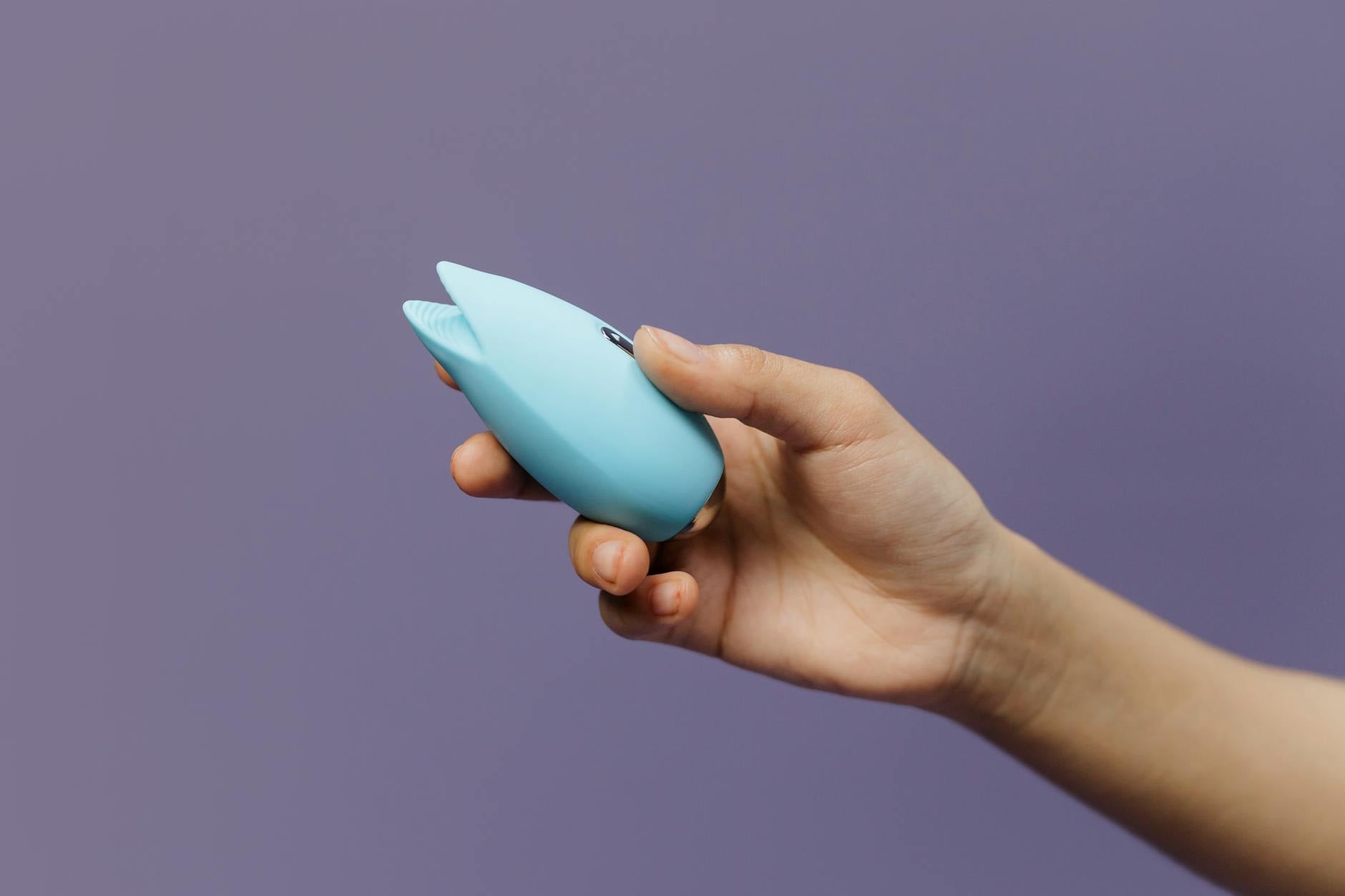
Let's be real: people keep telling you that lemon vibrators are amazing, but "amazing" doesn't mean the same thing in every body. The lemon clitoral vibrator that makes your partner gasp might feel like aggressive overkill for you. Or maybe you've been using toys for years and nothing lands quite right until now. The problem isn't you. It's that most people buy based on hype instead of anatomy.
Here's what I've learned working with couples navigating pleasure and intimacy: the right toy matches three things. Your clitoral sensitivity level. Your tissue thickness and positioning. And honestly, your own preference for how intense suction feels. Miss any of these, and you end up with an expensive paperweight in your drawer.
Understanding your clitoral anatomy first
Your clitoris isn't just the visible external bud. It's a complex structure with internal branches, varying nerve density, and different tissue thickness depending on your age, hormone levels, and genetics. Some people have hyper-sensitive clits that light up from light touch. Others need sustained pressure to feel much of anything at all.
This matters because lemon vibrators work through suction, not vibration. Suction is gentler than traditional vibration on delicate tissue, but it's still stimulation. If your clitoral tissue is very thin or easily irritated, you might need a toy with lighter suction settings. If you have a less sensitive clit, you might want something with stronger pull and more aggressive intensity options.
The honest test: think about how your clit has responded to partners or past toys. Did light stroking feel amazing, or did you need firmer pressure? Did vibration ever feel too intense? Those answers predict how you'll respond to a lemon suction toy.
Why tissue thickness changes everything
Estrogen affects clitoral tissue directly. If you're post-menopausal, on certain hormonal medications, or dealing with changes from breastfeeding or other life stages, your tissue gets thinner. Thinner tissue benefits from gentler initial suction and longer warm-up time.
If you're in your reproductive years with stable hormone levels, your tissue is likely thicker and can handle more intensity. This is why our post-40 clients often rave about how well lemon vibrators work. Their tissue has changed in ways that make suction-based stimulation feel incredible, not overwhelming.
You don't need blood work to know your tissue thickness. Just notice how your clit responds to touch and friction over time. Does it get irritated easily? Does it take longer to warm up to sensation? Those are signals.
Sensitivity spectrum: where do you actually land
People usually fall into one of three sensitivity zones. Understanding yours saves you from guessing.
High sensitivity: Light touch to your clit creates strong sensation. You might orgasm quickly from a partner's hand or tongue. You've probably found that some vibrators feel overwhelming even on their lowest settings. For you, starting with the lemon vibrator on patterns 1 through 3 works best. You don't need maximum suction. What you need is control and the ability to build sensation gradually. The adjustable suction settings matter more to you than the peak intensity.
Moderate sensitivity: You enjoy a mix of light and firmer touch. You can orgasm from multiple types of stimulation. You probably found that mid-range vibrators work fine, and you enjoy exploring different patterns and pressures. For you, a lemon clitoral vibrator with 5-7 intensity levels gives you room to experiment. You can go gentle one day and more intense the next without buying two different toys.
Lower sensitivity: Light touch alone doesn't do much for you. You need sustained pressure and usually prefer firmer stimulation. You might gravitate toward stronger traditional vibrators. Here's the thing about lemon vibrators for lower-sensitivity clits: they can absolutely work, but you need one with high suction capacity and the ability to hold pressure. You might spend more time on the stronger settings than friends with higher sensitivity.
Body position and your clit's angle
This one surprises people because nobody talks about it. Your clitoris has a position and angle relative to your body. Some are more forward-facing, others angle upward or to the side. A lemon vibrator works best when you can position it directly over your clit at the angle that feels natural to your anatomy.
Spend five minutes figuring this out before you buy. Notice where your clit sits when you're lying down. Is it accessible from directly above? Do you need to angle the toy slightly? Does your body geometry make certain positions easier than others? This matters because you want the suction cup to seal properly, and that requires decent contact.
If you have a clit that angles sharply to one side or sits deeper than average, you might need a toy with a narrower or more flexible contact surface. The standard lemon vibrator works brilliantly for average positioning, but your body might be asking for something with a slightly different shape.
How your orgasm pattern predicts toy fit
Pay attention to how you typically orgasm. This is genuinely predictive.
If you usually orgasm from consistent, sustained pressure without much variation, a lemon suction toy's steady pull will feel incredible. If you need rhythm and pattern changes to get there, you want a toy with interesting pulse options. If you're the kind of person who needs a slow build followed by intensity, start with lower settings and use the graduated intensity levels.
Some people orgasm once and need a break. Others can have multiple orgasms in sequence if the stimulation stays consistent or changes in the right ways. Lemon vibrators are genuinely good for extended sessions because they don't create fatigue or numbness the way traditional vibration sometimes does. That matters if you're someone who enjoys 20-minute sessions over quick hits.
Hormonal shifts and what they mean for toy choice
Your hormone levels change how your clit responds, which changes what you need from a toy. If you're tracking your cycle, you might notice that the same toy feels different in different phases. That's real.
During higher-estrogen phases, your tissue is plumper and more responsive. You might prefer higher intensity. During lower-estrogen phases, you might want gentler suction. This is another reason why adjustable settings matter more than peak power. You want a toy that grows with your body as it changes through the month or through life stages.
For people on hormonal birth control or hormone therapy, your clit exists in a more constant state, which means you'll develop clearer preferences. Pay attention to what consistently feels good rather than chasing novelty.
The test-drive approach: what to actually try
If you're new to lemon clitoral vibrators, start with Hello Nancy's entry point. Use the lowest settings first. Spend time exploring how the suction feels at pattern 1, then 2, then 3. You're not trying to orgasm yet. You're learning your own response to this type of stimulation.
Most people are surprised by how gentle the entry-level settings feel. That's intentional. You want to build arousal and sensation before turning up intensity. Rushing to high settings wastes your body's natural responsiveness.
Give yourself three sessions before deciding it's not for you. Your nervous system and tissue need a minute to adjust to suction-based stimulation. By session three or four, you'll have a real sense of whether this toy is your person.
Common mismatches and what they mean
If the suction feels uncomfortably intense even on the lowest setting, you probably need longer warm-up time or you're applying too much pressure. Back off slightly. Let suction build gradually.
If you feel nothing at all, check your positioning first. Make sure the suction cup is making a seal and that you're targeting the most sensitive part of your clit. Some people need to angle the toy slightly to find their sweet spot. If you're hitting the right spot and still feeling nothing, you might be in a lower-sensitivity category, which means you need to trust the gradual build process. Sensation often intensifies after 30 seconds of consistent suction.
If it feels amazing the first time but then stops working, you're probably desensitized from too much intensity. Dial back the settings and give yourself a day or two of rest. Your nerve endings reset.
When to consider accessories or different styles
Hello Nancy makes multiple styles for a reason. If you find lemon vibrators work for you but you want more versatility, accessories exist. Some people prefer the direct contact of a lemon sucker for daily use, then layer in other tools for partnered play or extended sessions.
If you're trying to figure out whether a lemon clitoral vibrator is right for you at all, borrowing or testing a friend's is honestly the fastest answer. Your body will tell you within 30 seconds whether suction stimulation is your language or not.
Final thought on finding your fit
Your pleasure isn't generic, and your toy shouldn't pretend it is. The best lemon vibrator for you is the one that matches your actual body, your actual sensitivity, and your actual preferences. That might be the same one your best friend loves. Or it might be completely different. Both are correct.