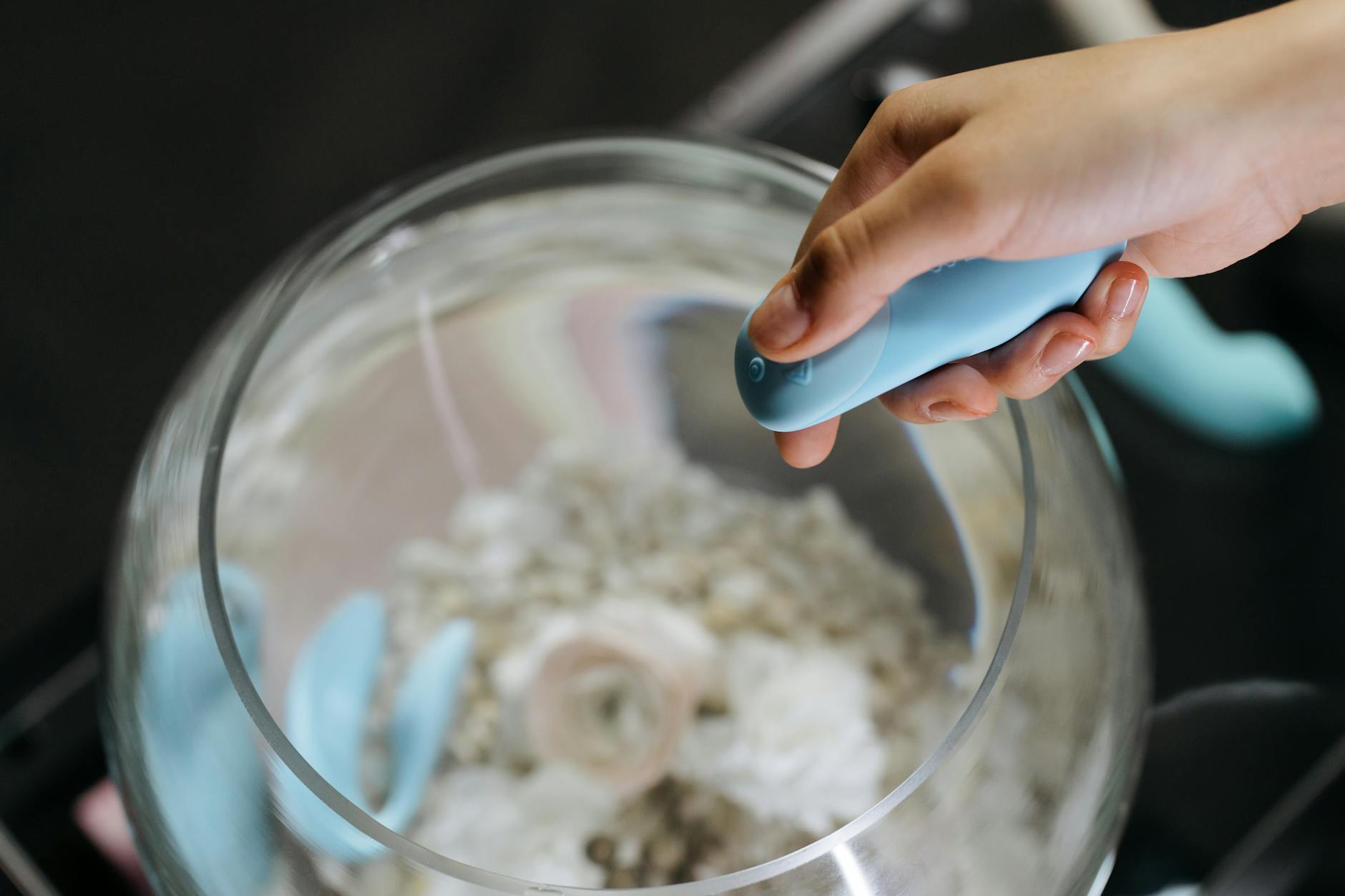
Let's talk about what pelvic floor PT actually does to pleasure
Pelvic floor physical therapy is legitimately life-changing. It loosens muscles that have been clenched for months or years, restores blood flow, and teaches your body what relaxation actually feels like. But here's the part nobody warns you about: your nervous system learned to protect itself by tightening. Undoing that pattern takes longer than the PT itself.
Most people finish physical therapy and expect sex and solo pleasure to snap right back. It doesn't. Your pelvic floor is stronger and more relaxed, sure. But the neural pathways that connect relaxation to arousal got rewired during the months of tension. A lemon clitoral vibrator helps you rewrite that script without starting from zero.
Why traditional vibration can backfire during recovery
After pelvic floor PT, you're hypersensitive in the best and worst ways. Conventional vibrators with their constant buzz can feel too intense, too fast, and ironically, they can trigger the exact muscle-guarding response you just spent months unlearning. Your pelvic floor senses the stimulation and jumps to protect itself.
This is not a failure on your part. Your body is doing exactly what it was trained to do.
Suction-based stimulation like a lemon vibrator works differently. Instead of vibrating against tissue, it creates rhythmic pressure changes that gently draw blood to the area. This feels more like encouragement than stimulation. Your nervous system reads it as "come toward this" rather than "brace for impact." The difference is subtle but neurologically crucial.
How suction feels gentler on recovering tissue
Your clitoris has about 8,000 nerve endings, but they're not evenly distributed. Most cluster around the surface. During pelvic floor tension, those nerves get sort of numbed by chronic muscle contraction. When you finally release that tension, the nerves wake up, but they're touchy. They need time to recalibrate.
A suction-based tool like the Lemon works by creating negative pressure that draws the clitoral hood and glans into a small chamber. Inside, a gentle pulsing motion creates sensation without direct friction. For recovering tissue, this matters because it:
- Doesn't require intense direct pressure
- Distributes stimulation more evenly across the area
- Allows you to control intensity by adjusting suction strength
- Creates a rhythm that your nervous system can anticipate and relax into
Your pelvic floor's job during arousal is to engage and release in waves. A tool that creates predictable rhythm helps your muscles remember how to do that without panic.
The timeline: when to introduce a lemon vibrator
Your PT probably gave you clearance to resume sex somewhere between week 6 and 12 of treatment, depending on what you were treating. That clearance is real. But pleasure often lags behind permission.
I usually recommend waiting until you can comfortably do pelvic floor exercises (like kegels) without awareness of pain or excessive fatigue. That's your signal that the basic healing is done. Then, introduce a clitoral vibrator on the lowest setting, solo, when you're fully relaxed. Maybe a warm bath, maybe after meditation. Not when you're trying hard to have an orgasm. Just gentle exploration.
Start with 30 seconds to a minute of the lowest suction setting. Notice what your body does. Does it clench or soften? If it softens, you're retraining it toward pleasure. If it tightens, back off and try again in a few days. There's no rush. Your pelvic floor spent months learning to brace. It gets to learn pleasure gradually.
Many people who've done pelvic floor PT report that their first intentional pleasure with a lemon vibrator comes 8-12 weeks after PT completion, not immediately after. That's normal. Your nervous system is rewiring itself.
Why pleasure matters during recovery, not just after
Pelvic floor PT is often framed as a fix for pain or dysfunction. It is. But pleasure during recovery has its own neurological job. When you experience gentle arousal, your parasympathetic nervous system activates. Blood flow increases to the pelvic floor. Your muscles learn a new pattern: relaxation that leads to sensation, not bracing that leads to numbness.
This is why some PTs actually recommend returning to solo pleasure as part of the recovery protocol. Not aggressive pleasure. Not goal-oriented pleasure. But the gentle, exploratory kind.
A lemon vibrator in this context is a tool for nervous system retraining, not just pleasure. It's helping your body remember that relaxation and sensation go together.
What happens when you use a lemon vibrator too early
If you jump back into intense stimulation before your nervous system is ready, you can trigger a setback. Your pelvic floor, sensing high-intensity input, reverts to protection mode. Suddenly you're back to baseline tension. You'll probably need a few more weeks of physical therapy to undo it.
This happens less often with suction-based tools like lemon vibrators than with traditional vibrators because suction inherently feels gentler. But it can still happen if you rush the intensity.
If you notice increased pelvic floor tension after using a vibrator, stop for a week or two and return to the calming exercises your PT gave you. Then try again at a lower setting. This isn't failure. It's your body giving you information.
The role of a partner during recovery
If you have a partner, the first phase of recovery is usually solo. Your nervous system needs time to rebuild its own arousal pathway without the added variable of performance or responsiveness to someone else.
Once you're comfortable with solo pleasure again (usually around 12-16 weeks post-PT for most people), partnered sex can resume. A lemon clitoral vibrator can actually ease that transition. You know how it feels. You can show your partner what works. It takes pressure off them to guess or perform, and it takes pressure off you to come without external help.
Many couples find that reintroducing a vibrator during partnered sex reduces the anxiety that surrounds the first time back. You're not starting from zero. You're starting from a place where pleasure is already happening.
How to talk to your PT about vibrator use
Your physical therapist should be part of this conversation. Good PTs expect it. Some will recommend specific tools. Others will give you guidelines on intensity and timing. If your PT seems uncomfortable talking about vibrators, that's a signal that you might benefit from a provider who is more sex-positive in their approach.
You can frame it directly: "I want to start using a clitoral vibrator as part of my recovery. What should I know about timing or intensity?" Most PTs will have answers. Some will tell you to wait a bit longer. Others will give you the green light immediately. Their input matters because they know your specific pelvic floor history.
FAQ: Recovery and Lemon Vibrators
Can I use a lemon vibrator while still in active physical therapy?
Typically, no. Your PT needs to focus on releasing tension without external stimulation that might activate protective patterns. Wait until you get clearance to resume sexual activity, then introduce a vibrator at the lowest setting. Talk to your therapist first.
Will a lemon vibrator's suction hurt my recovering pelvic floor?
Suction feels gentler than traditional vibration, but intensity matters. Start on the lowest setting for short sessions (30-60 seconds). Your body will tell you if it's too much. If your pelvic floor tightens in response, you went too fast.
How is a lemon suction vibrator different from a regular vibrator during recovery?
Traditional vibrators apply continuous buzzing pressure that can trigger protective muscle responses. Suction tools create rhythmic pressure changes that feel more like gentle encouragement. Your nervous system reads suction as "relax and respond" rather than "brace and protect."
How long does it take to feel pleasure again after pelvic floor PT?
This varies wildly. Some people notice pleasure returning during PT itself. Others take 12-16 weeks post-completion. Your timeline is normal as long as it's progressing. If pleasure doesn't improve after 4 months of PT completion, talk to your therapist about whether additional treatment is needed.
Can I use a lemon vibrator if I'm still experiencing pain during sex?
Not yet. Pain is your signal that the pelvic floor isn't ready for stimulation. Continue your PT exercises and return to vibrators once pain-free sex is comfortable. Using a vibrator while pain persists can reinforce protective patterns.
Should I tell my partner I'm using a vibrator during recovery?
If you have a partner, yes. Transparency helps them understand that this isn't about their performance. It's about your nervous system rebuilding its own capacity for pleasure. Most partners appreciate knowing.
Moving forward: vibrators as part of long-term pelvic health
Once you're recovered and comfortable with a lemon clitoral vibrator, it becomes a tool you keep using. Not because you're broken. Because it works. Your pelvic floor has learned the difference between tension and relaxation. A vibrator that reinforces that difference is just smart medicine.
Many people who do pelvic floor PT find that regular use of a gentle suction vibrator helps prevent future tension buildup. It's preventive care. Your pelvic floor gets to practice pleasure and release regularly, which keeps everything functioning well.
If you're considering pelvic floor physical therapy or already in it, think of a lemon vibrator not as a luxury but as a recovery tool. Your nervous system is relearning a whole set of patterns. Having the right tool for that job makes the difference between recovery that takes six months and recovery that sticks because your body actually knows how to access pleasure again.
The goal isn't just to fix dysfunction. It's to rebuild confidence, sensation, and genuine desire. A lemon vibrator does all three.