Pleasure isn't where trauma lives
Let's be clear from the start. Sexual trauma rewires how your nervous system experiences touch. It doesn't erase your capacity for pleasure. It doesn't make you broken. It does mean you'll need to rebuild intimacy differently than before, and that's not a weakness. That's wisdom.
Many people I work with after trauma describe a disconnect between their mind and body. You might want to feel pleasure, but your body tenses, dissociates, or freezes when touched. Or you feel nothing at all. That's not dysfunction. That's your nervous system doing exactly what it was designed to do: protect you.
The path back isn't about forcing sensation or performing arousal for anyone else. It's about slowly, safely, teaching your body that touch can be yours again.
Why trauma changes pleasure and what that actually means
When you experience sexual trauma, the neural pathways associated with pleasure get tangled with pathways of fear and threat. Your brain has learned that sexual touch equals danger. Rewiring that takes time, repetition, and an absolute sense of control.
This is why external pressure doesn't work. A partner trying to "help" you feel pleasure, well-meaning friends telling you to "just relax," a therapist suggesting you should be further along in healing. These all reinforce the original wound. You lost control once. You need to reclaim it completely.
Solo exploration with tools designed for your nervous system's current state is where that control lives.
Why clitoral vibrators work differently for trauma survivors
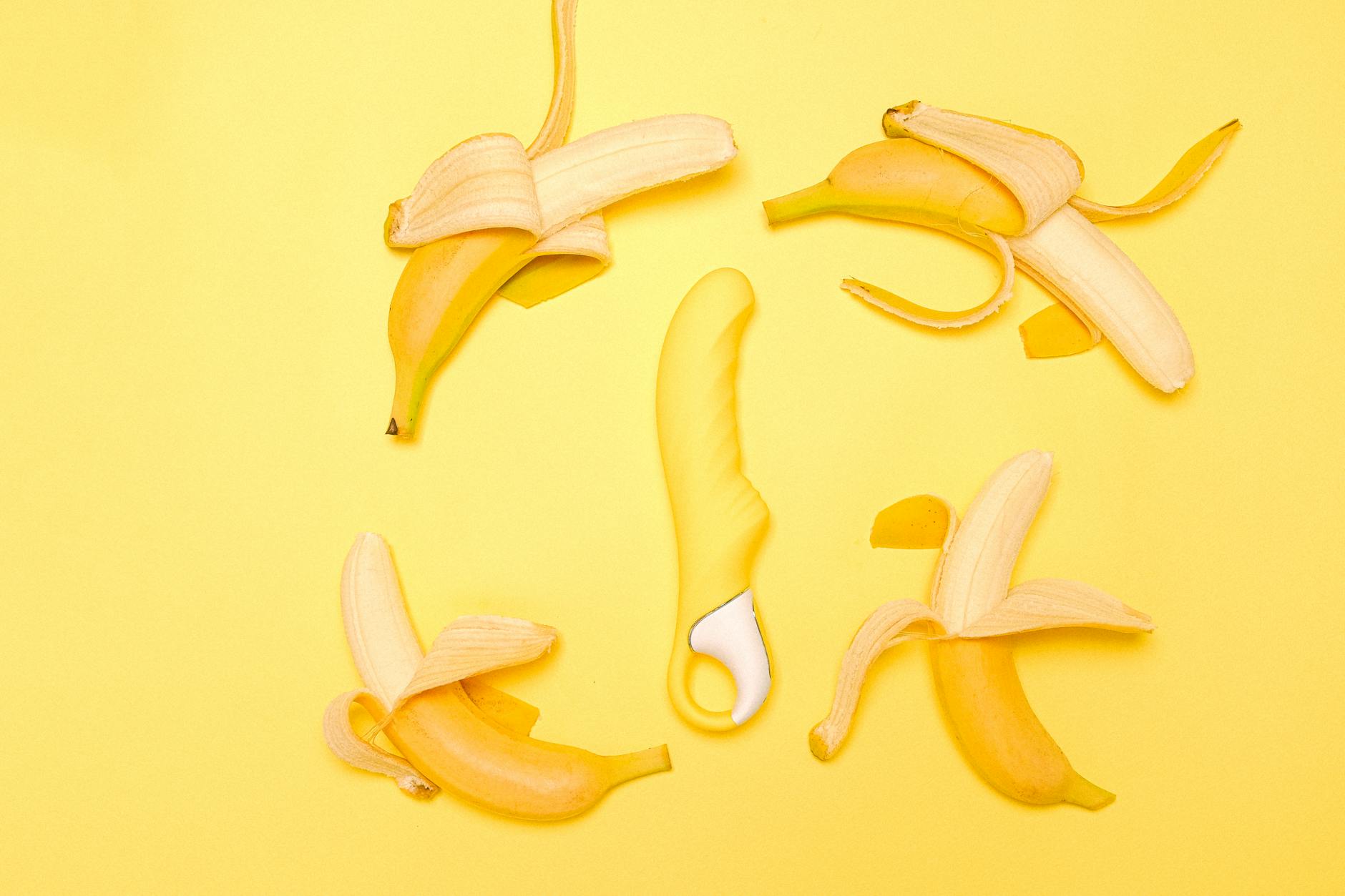
I recommend lemon vibrators and other quality clitoral vibrators to clients rebuilding after trauma for three specific reasons.
First, suction-based stimulation like the lem vibrator creates sensation without the sensation of penetration or deep pressure. For many trauma survivors, the clitoral area feels safer to explore than internal tissue. The lem's gentle suction mimics natural response without mimicking the mechanics of the trauma.
Second, you control everything. The intensity, the rhythm, the moment you stop. That agency is not incidental to healing. It's central to it. Unlike partnered touch, where negotiation and communication can sometimes feel like an obligation, solo exploration is purely for you.
Third, the sensation itself is distinct enough from traumatic touch that it feels new. Your body isn't trying to process "is this safe or dangerous." It's experiencing something that has no trauma history attached.
Starting slowly is not the same as not starting
Here's what I tell clients: the goal in month one isn't orgasm. The goal isn't even arousal. The goal is to spend ten minutes in a safe space with a tool that feels neutral or pleasant. That's it.
Some people start by just holding the device. Touching it to different parts of their body. Understanding its weight, its texture, its sound. Others turn it on for five seconds at a time, then off. There's no timeline here.
The temptation after trauma is to rush healing. You want your body back, your pleasure back, your sense of normalcy back. So you push. You try harder. You expect more from yourself each time. That's the trauma response turning inward. It's the same perfectionism and control that often surrounds recovery.
Slowing down feels counterintuitive, but it's the thing that actually works. Your nervous system learns safety through repetition and consistency, not through ambition.
Creating the right environment matters more than the tool
The lemon vibrator is good equipment. But it's not magical. The magic is in the conditions around it.
You need to be alone. Not alone while your partner is in the next room. Alone in a space where you've decided you're safe. That might mean locking the door, that might mean waiting until everyone's asleep, that might mean booking a hotel room once a month. The logistics don't matter. The certainty does.
You need time. Not rushed time. Not time you're squeezing in before something else. Time where your only job is to pay attention to what you're feeling. Twenty minutes is better than five. An hour is better than twenty. But again, consistency matters more than duration.
You need to decide in advance what you will and won't do. Not in the moment, which is when your nervous system floods. Before. "Tonight I'm going to hold the device. Tomorrow night I'll turn it on. Next week I'll explore sensation." These small commitments mean you're not negotiating with yourself in real time. You're showing up with a plan.
What pleasure might actually feel like as you rebuild
Here's the thing nobody tells you. Pleasure after trauma often doesn't look like pleasure before. It might not be intense. It might not build toward orgasm. It might just be a small spark of "oh, that felt interesting" or "I felt present in my body for a moment."
That's not less-than pleasure. That's the beginning of it.
As your nervous system gets more regulation, sensation can deepen. You might notice texture you couldn't feel before. You might start to relax into longer sessions. You might, eventually, experience orgasm. Some people do. Some don't. Both are healing.
What matters is that you're touching your own body with kindness instead of dissociation. You're in control. You're not performing. You're learning that touch can be information instead of threat.
When to bring in professional support
A vibrator is not a replacement for trauma therapy. If you haven't worked with a trauma-informed therapist, consider that the foundation. Solo exploration happens alongside that work, not instead of it.
A really good therapist trained in trauma (especially EMDR or somatic experiencing) can help you understand why your nervous system is responding the way it is. They can help you build the regulation skills that make solo exploration feel safer. They create the larger container in which your healing happens.
Some therapists are specifically trained to work with sexual trauma and sexuality in recovery. If you can find one, they're worth the search. If not, a good general trauma therapist will understand why you need this.
Questions people ask when rebuilding pleasure
Can I use a vibrator if I haven't processed the trauma yet?
Yes, as long as you're doing the processing work with a therapist. The vibrator isn't healing the trauma. Your therapy is. The vibrator is just a tool for slowly reconnecting with your body's capacity for sensation. Think of it like physical therapy after an injury. You're not healing the break. You're gently rebuilding strength alongside medical care.
What if I use the vibrator and panic?
That's information. Your nervous system just told you it's not ready for that particular sensation in that particular moment. You stop, you breathe, you wait. There's no failure here. You learned something. Next time might be different. The pressure to push through discomfort is the trauma talking. The healing is in listening to your body instead.
How long does it take to feel pleasure again?
It depends on the trauma, your nervous system, your life stress, and your support system. Some people feel shifts in months. Some take years. I've worked with clients who had a breakthrough moment and clients who rebuilt pleasure millimeter by millimeter. Both are valid. Healing isn't a race.
Should I tell my partner I'm using a vibrator?
That depends entirely on your relationship and your safety. If your partner is supportive and trauma-informed, sharing that work can deepen intimacy. But you don't owe anyone access to your healing process. If you're not ready, you're not ready. If you never want to share it, that's okay too. Your body is yours.
What if pleasure triggers memories of the trauma?
This is why working with a therapist matters. Pleasure can sometimes activate trauma memory because your nervous system associates arousal or sensation with the original event. A trauma-informed therapist can help you understand what's happening and develop tools to stay grounded. You might need to slow down further. You might need to work on regulation first. You're not doing it wrong.
Is it normal to feel guilty about wanting pleasure after trauma?
It's incredibly normal. Many survivors internalize the message that their body is dangerous or shameful. You might feel like you're betraying the person who was hurt by reclaiming pleasure. You're not. Healing your body and your pleasure is an act of reclamation. It's an act of saying "this body is mine again." That's not betrayal. That's restoration.
You don't have to know where this is going
One of the hardest parts of rebuilding after trauma is that you can't see the endpoint. You can't promise yourself you'll feel normal again by next Tuesday. You can't plan your way out of it.
What you can do is show up for yourself with the same consistency you'd show up for someone you love. You can create safe space. You can move at your own pace. You can use tools like clitoral vibrators that give you absolute control and absolute agency.
Your nervous system will heal. Healing doesn't look like erasing what happened. It looks like your body learning that safety is possible again. That touch can be something other than threat. That pleasure is your birthright, even after trauma.
If you're navigating this journey and need support, whether that's finding a trauma-informed therapist or just knowing you're not alone, reach out. This is what we're here for.