
When medication changes everything overnight
You started a new antidepressant, blood pressure med, antihistamine, or birth control three weeks ago. Your doctor said some sexual side effects are possible but usually settle down. They didn't. Your body feels a little numb. Touch doesn't land the same way. Orgasm, if it happens at all, feels distant or flat. The worst part? You're not sure if this is temporary or permanent, and your brain spirals around that uncertainty.
Here's what I want you to know: sensation loss from medication is real, measurable, and almost always reversible. Your nervous system hasn't been damaged. It's been dampened. And there's a very specific reason why lemon vibrators work better than fingers or traditional vibrators for waking it back up.
How medication actually mutes sensation
Three main pathways. Understanding them changes how you approach rebuilding pleasure.
Serotonin reuptake inhibitors (SSRIs) increase serotonin in the brain, which is helpful for mood but can blunt dopamine signaling in the reward centers. Dopamine is what makes sensation feel intense. With less dopamine firing, touch still registers as touch, but it doesn't trigger the same cascade of pleasure. Many people on SSRIs describe orgasm as "muted" or "distant." They're not imagining it.
Blood pressure medications, antihistamines, and some hormonal birth controls work differently. They either reduce blood flow to genital tissue or dampen the parasympathetic nervous system, which controls arousal. Without that parasympathetic activation, your body doesn't flood the clitoris with blood the way it normally would during arousal. The tissue feels less sensitive because there's literally less engorgement happening.
Hormonal birth control creates a third pathway. It lowers testosterone and can thin vaginal and clitoral tissue. Less tissue thickness means fewer nerve endings firing in the same area. It's not that your nerves died. It's that you're touching less responsive tissue.
All three of these are dose-dependent and often time-dependent. Meaning your body may adjust after 6 to 12 weeks. Meaning the numbness you're feeling right now might genuinely improve without changing anything.
But while you're waiting, you don't have to stay stuck.
Why lemon vibrators work when fingers don't
Let's talk about what your fingers do. They apply direct pressure and friction. For this to feel good when sensation is dampened, you'd need to apply a lot of pressure. Too much pressure on tissue that's already less responsive because of medication can feel abrasive or even painful. You end up chasing sensation that never quite arrives.
Lemon vibrators, especially models like the Lem, use a different mechanism entirely: suction combined with pulsation. Instead of friction, suction creates a seal around the clitoris and stimulates the thousands of nerve endings through gentle, rhythmic pressure changes. This works in three ways that matter when medication is involved.
First, suction bypasses tissue thickness. Whether your tissue is thin from hormonal changes or your clitoris is less engorged from blood pressure meds, suction reaches deeper neural pathways that friction can't touch. You're not relying on surface sensitivity. You're accessing the nerve clusters in the clitoral body itself.
Second, pulsation retrains your dopamine response. The pattern and rhythm of a lemon clitoral vibrator creates a novel stimulus. Your brain has to pay attention to it. When dopamine is blunted, novel stimuli trigger more dopamine release than familiar ones. It's like your nervous system recognizes "this is something new" and allocates dopamine resources accordingly. Fingers feel familiar. The Lem feels different. Different wakes your brain up.
Third, suction creates consistent pressure without fatigue. A hand tires. A clitoral vibrator doesn't. When you're already fighting sensation loss, inconsistent pressure becomes frustrating. The Lem maintains its rhythm for as long as you need. This consistency allows your nervous system to settle into the sensation rather than chasing it.
The timeline: what to expect
Honestly though, patience matters here more than tactics.
If you're two weeks into a new medication, your body is still in acute adjustment. I usually tell clients to give it 4 to 8 weeks before concluding that sensation loss is permanent. Most antidepressants start evening out around week six. Hormonal birth control takes 8 to 12 weeks for your baseline to stabilize. If you jumped on a lemon vibrator on day three, you won't get accurate data about what you're actually capable of anymore.
But here's where lemon adult toys actually accelerate the process. By stimulating your nervous system consistently and in a novel way, you're sending signals to your brain that pleasure is still possible. This matters psychologically and neurologically. Your brain stops the catastrophizing narrative ("I'll never feel pleasure again") and starts paying dopamine resources to the sensation actually happening.
Typically, clients report:
Weeks 1-3: Everything still feels muted, but the vibrator feels more interesting than fingers. You might notice an orgasm starting to build even if it doesn't fully arrive.
Weeks 4-6: Sensation begins returning. The clitoris feels more responsive. Orgasms become more consistent but might still feel less intense than before medication.
Weeks 8-12: Most people report near-baseline sensation returning. Some report even more sensitivity than before because they've learned the Lem's rhythm so well.
Week 12+: If sensation hasn't returned by now, your medication dose or type might be the issue. Time to loop your doctor in.
When to talk to your doctor about this
Here's the thing: sensation loss from medication is as legitimate a side effect as nausea or headaches. It deserves the same clinical attention.
If you're four weeks in and sensation is completely absent, don't wait until week twelve. Talk to your prescriber about dose adjustment, timing (taking the med at night instead of morning can sometimes help), or switching to a different class of medication entirely. Some SSRIs are gentler on sexual function than others. Some blood pressure meds have fewer sexual side effects than their cousins.
Your pleasure is not a luxury. It's a marker of nervous system health. If a medication is tanking it, there's usually something else worth trying.
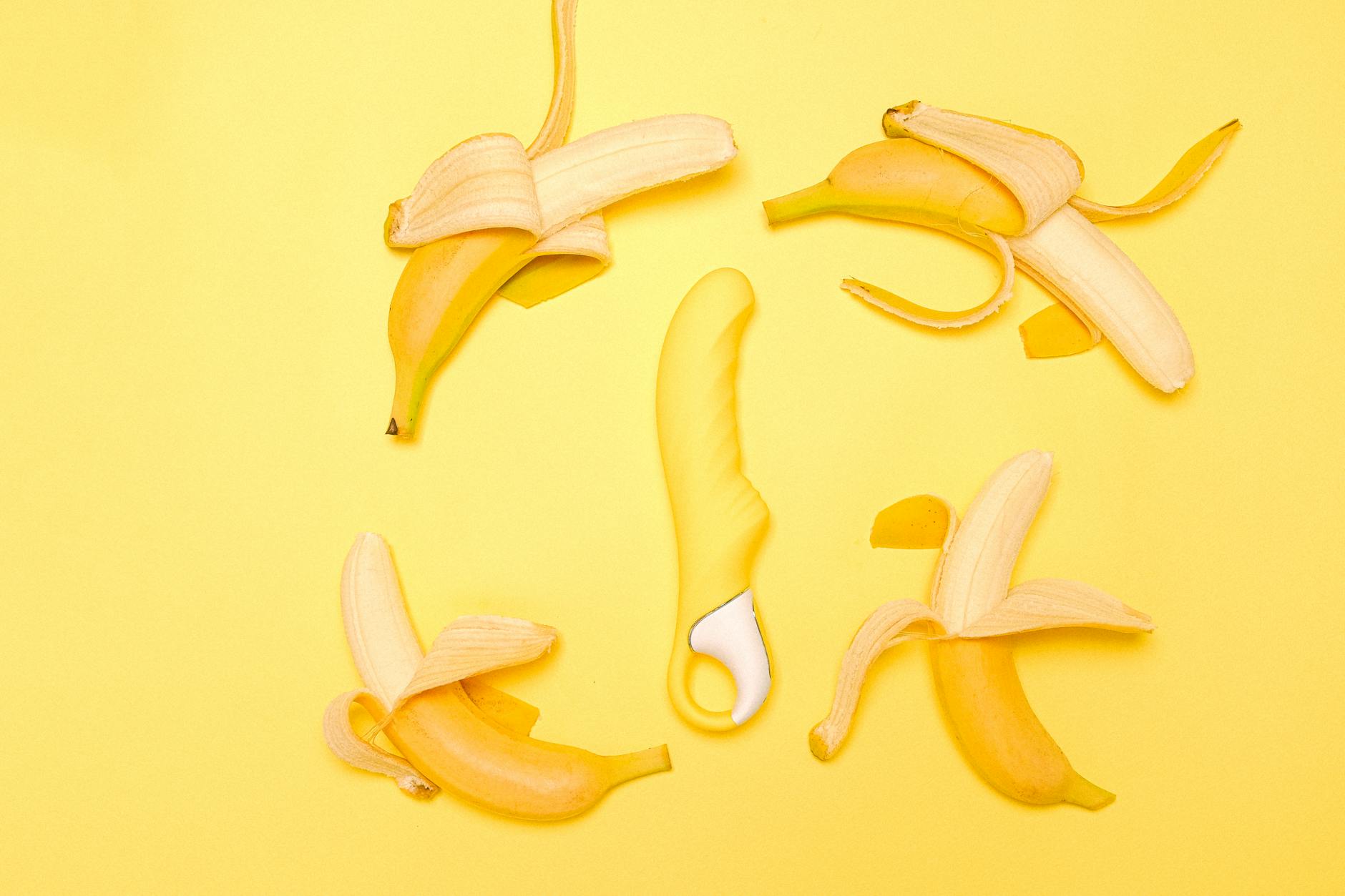
Photo by Anna Shvets on Pexels
The role of expectation (and why it matters more than you think)
Here's a weirdly important piece that most guides skip over. When sensation is already dampened by medication, your brain is primed to expect numbness. You touch yourself and your nervous system goes "yep, still muted" before you've even given sensation time to register.
This is learned nervous system behavior. It's not permanent. But it needs to be interrupted.
When you switch to a lemon vibrator, especially one with a distinct sensation like suction, you're creating a deliberate circuit break. Your nervous system can't quite categorize it as "the familiar numbness." This opens a window for sensation to actually register.
That's also why consistency matters. Using the Lem three nights a week trains your nervous system. Using it sporadically doesn't. Your brain needs repetition to rewire the expectation.
What else helps while you're waiting
Four things that genuinely move the needle:
Longer warm-up time. When dopamine is blunted or blood flow is reduced, arousal takes longer. Budget 15 to 20 minutes of touch and attention before introducing the vibrator. Let your body remember what arousal feels like, even if it feels subtle.
Water-based lubricant. If tissue thinning is part of what's happening, lubrication helps the vibrator move smoothly and reduces friction. This lets you focus on sensation rather than physical irritation.
Separating expectation from reality. Every time you use the vibrator, tell yourself "I'm collecting data, not chasing results." Notice what you're feeling without judging whether it's "enough." Sensation will expand when you stop demanding it to.
Partner involvement, if you have one. Sometimes the issue isn't the medication. It's that you've stopped being touched in ways that matter. Ask your partner to focus on slow, deliberate touch outside of sex. Let sensation return in the non-goal-oriented spaces first.
Lemon clitoral vibrators like the Lem handle most of the heavy lifting from there.
Why this matters beyond the bedroom
Sensation loss hits different than other side effects. It's not just about orgasm. It's about feeling alive in your body. It's about self-knowledge and agency. When medication dampens that, it's easy to feel like your body has betrayed you or that pleasure is no longer yours.
It is. You just need the right tools to access it while your nervous system is in transition. A lemon vibrator isn't magic. But it is specifically engineered for a nervous system that's been chemically dampened. It works with your body's actual physiology right now, not with the physiology you had before the medication changed things.
Give it time. Give it consistency. Give yourself permission to rebuild this the way your body actually needs to, not the way it used to work.
People also ask
How long does it take for sensation to return after starting medication? Most people see improvement by week 6 to 8, with fuller sensation returning by week 10 to 12. The speed depends on the medication class, dose, and your individual neurology. SSRI adjustment typically takes 8-12 weeks. Hormonal birth control takes longer, often 10-16 weeks. If sensation hasn't improved at all by week 12, ask your doctor about dose adjustment or switching medications.
Will a lemon vibrator work if I can't feel much right now? Yes, actually better than other tools. Because lemon vibrators use suction instead of friction, they stimulate deeper nerve pathways even when surface sensitivity is dampened. You'll likely feel the sensation more clearly than you would with fingers or traditional vibrators, even if overall sensation is currently muted.
Can I use a lemon vibrator the same way I did before medication changed my body? Not exactly. You'll probably need lower intensity settings to start, longer warm-up time, and more patience letting sensation build. As your body adjusts to the medication (or as your doctor adjusts the dose), you can gradually increase intensity. Using the vibrator at lower settings trains your nervous system to notice subtle sensations, which is actually helpful for recovery.
Is it normal for orgasms to feel different on medication? Completely normal. On SSRIs, orgasms often feel less intense or more difficult to reach. On blood pressure meds or antihistamines, they might feel less pleasurable even when they do happen. This isn't psychological. It's neurochemical. The good news: as your body adjusts or your dose stabilizes, sensation usually rebounds. Lemon vibrators help accelerate that process.
Should I stop my medication if it's affecting my pleasure? Absolutely not without talking to your prescriber first. Stopping abruptly can be dangerous with many medications. But absolutely do tell your doctor that pleasure and sensation matter to you. There are usually alternative medications, dose adjustments, or timing changes worth exploring. Your mental health and your sexual health are connected. A good doctor treats both.
What if sensation doesn't come back after three months? Talk to your prescriber about switching medications or adjusting your dose. Some sexual side effects are dose-dependent, meaning lower doses cause fewer problems. Some are medication-class-specific, meaning a different SSRI or a different class entirely might work better for you. You're not stuck. You just need a different approach.
Rebuilding sensation after medication changes your body is not about waiting passively. It's about understanding your nervous system, using the right tools, and giving your body the time it genuinely needs to rebalance. A lemon clitoral vibrator accelerates that process in ways that fingers or generic vibrators can't. Start there. Be consistent. Then trust the timeline.
If you have questions about how Hello Nancy products can support your pleasure journey as your body adjusts, reach out to us. That's what we're here for.