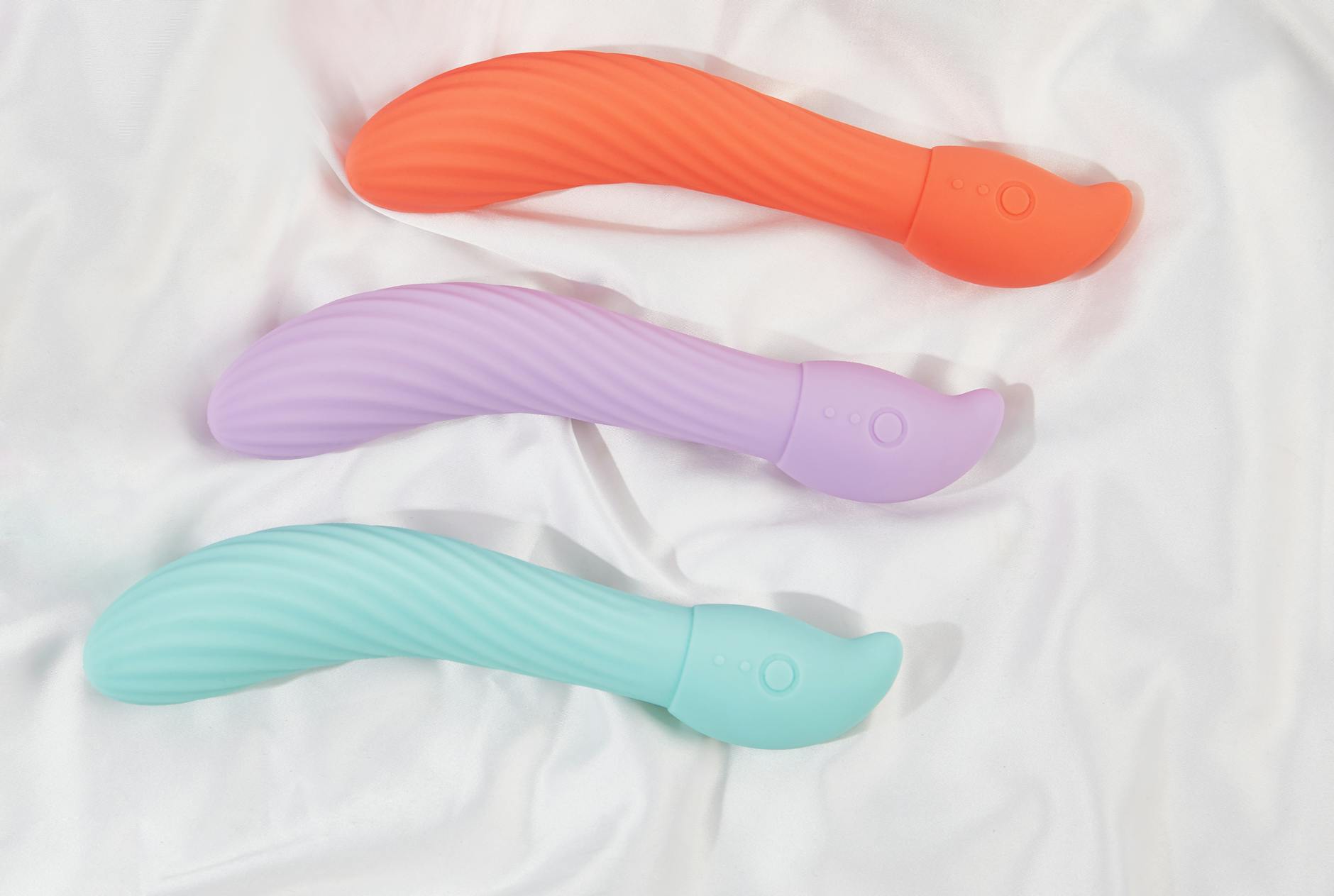
Let's start with what nobody tells you
Cancer treatment can derail your sex life. Surgery, chemotherapy, radiation, and hormone therapy reshape how your body responds to touch. And then there's the emotional part. Fear, fatigue, body image shifts, grief. The combination is real, and it deserves a real conversation.
Here's the truth: reconnecting with pleasure after cancer is possible. It's not about going back to how things were before. It's about discovering what works now. For many people, that journey looks different than they expected. And for a lot of women and people with vulvas, it starts with tools like lemon clitoral vibrators that actually meet their body where it is.
What cancer treatment actually does to sensation
The pathways are complicated. Chemotherapy can cause peripheral neuropathy, where nerve endings in sensitive areas become less responsive. Some surgeries remove lymph nodes or tissue that affects blood flow and sensation. Radiation therapy can scar tissue and reduce elasticity. Hormone therapy (especially tamoxifen or aromatase inhibitors) can cause vaginal dryness, tissue thinning, and reduced natural lubrication. Some people experience numbness. Others feel hypersensitivity where they least expect it.
The net result: direct stimulation might feel uncomfortable, numb, or painful. Your body might take longer to warm up to touch. Orgasm might feel distant or impossible. And that's before we talk about the psychological layer.
This is why lemon vibrators matter in recovery. They're not a replacement for your body's natural pleasure capacity. They're a bridge back to it.
How suction-based vibrators work differently for post-treatment bodies
Traditional vibrators rely on direct vibration against sensitive tissue. If that tissue is thin, scarred, or numb, the experience can be painful or feel like nothing at all. Lemon-style clitoral vibrators use gentle suction and pulsing rhythms instead.
Here's what that means for cancer recovery:
Suction stimulates the broader clitoral network without the pressure of friction. Your clitoris is much larger than the visible external part. It extends internal branches around the vaginal canal and deeper pelvic structures. Suction activates those deeper nerve pathways, often reaching sensation where direct vibration can't. For people experiencing neuropathy or numbness on the surface, this is genuinely game-changing.
The rhythm you can control. Starting on a gentle pulse (pattern 1 or 2 on most lemon vibrators) and working up means you're not forcing intensity before your body is ready. You're meeting your nervous system where it is.
Water-based lube becomes your ally. It reduces friction, adds glide, and makes the suction feel more comfortable on delicate post-treatment tissue.
The emotional part (which matters as much as the physical)
Here's what I see in my practice: people who survived cancer often carry a story that their body has been damaged, that they're broken, that pleasure is off the table now. That story is not true. But it's a story worth addressing directly, because it will sabotage your recovery faster than any physical side effect.
Rebuilding intimacy after cancer isn't just about sensation. It's about reclaiming your body as yours. About separating the part of you that survived treatment from the part of you that deserves pleasure. About slowly, carefully, rebuilding trust with your own skin.
This is where a lemon clitoral vibrator becomes more than a tool. It becomes permission. Permission to explore. Permission to take your time. Permission to say "this feels good" without guilt, without rushing, without needing it to lead anywhere.
If you're partnered, it's also permission for your partner to step back from performance pressure. If your partner has been afraid of hurting you, a vibrator gives you both a way to reconnect physically that feels safer, more controlled, less fraught.
Practical steps for using vibrators in cancer recovery
Start small and slow. Explore solo first if you can. Get to know your body without an audience, without anyone's expectations. This isn't selfish. It's necessary.
Begin on the lowest setting. Most lemon vibrators have 5-8 intensity levels. Start at 1 or 2. Give yourself 5-10 minutes just getting used to the sensation. This is not about reaching an orgasm. It's about sensation mapping.
Use water-based lubricant generously. Post-treatment tissue dries easily. Lube isn't failure. It's support.
Budget time. Cancer recovery is exhausting. Your body might be tired. Fatigue affects arousal. So build in rest days. Explore when you have energy and headspace. Ten minutes of real attention beats thirty minutes of distracted effort.
Talk to your partner (if you have one) about what's happening. "I'm exploring what feels good in my body again" is enough. You don't need to narrate the whole process. But your partner deserves to know you're moving toward reconnection, not away from them.
If pain shows up, pause. Work with your oncology team or a pelvic floor therapist. Pain is information, not destiny.
When to get professional support
Sex therapists and oncology-informed pelvic floor therapists exist. They specialize in exactly this. If you're struggling to reconnect after cancer, if pain is present, if desire has completely evaporated, a therapist trained in cancer recovery is worth the investment. Some therapies (like topical estrogen cream for vaginal atrophy from hormone treatment) can be genuinely transformative and take weeks to show results.
If depression or anxiety is blocking pleasure, addressing that first matters. Pleasure isn't greedy or frivolous. It's part of healing. And sometimes healing the mind opens the door to healing the body.
The path forward looks different for everyone
Some people who've had cancer treatment discover their most intense orgasms after recovery. Some find that pleasure shifts but becomes deeper, more meaningful, less performative. Some people reconnect with partners they thought were lost to them. Some people, for the first time, explore solo pleasure without guilt.
The common thread isn't a specific outcome. It's permission. Permission to take your time. Permission for your body to be exactly as it is now. Permission to use tools like lemon vibrators as gentle, patient scaffolding while you rebuild what cancer tried to take.
Your pleasure matters. Not because it's a luxury or a bonus prize for surviving. It matters because it's part of being alive. And you've already done the hard part. The rest is just figuring out what joy looks like from here.
FAQ: Questions people ask about vibrators and cancer recovery
Can I use a vibrator if I'm still in active cancer treatment?
Talk to your oncology team first. During active chemotherapy, your immune system is compromised, so infection risk matters more. After surgery, you might have healing restrictions. But many people do use vibrators safely during certain phases of treatment. The key is getting permission from your care team and listening to your body.
Does lemon vibrator suction feel different on post-surgery scar tissue?
Yes. Scar tissue is less elastic and sometimes more sensitive. The suction method is often gentler on scarred areas than traditional vibration because there's no friction grinding against the area. Start very slowly and use plenty of lube. If pain appears, that's a signal to pause and check in with a pelvic floor therapist.
How long does it usually take to reconnect with pleasure after cancer treatment?
It varies wildly. Some people see shifts within weeks. Others take months or years. That's not failure. That's your nervous system healing at its own pace. Rebuilding sensation after neuropathy, regaining desire after trauma, repairing intimacy after the stress of treatment. These things take time. Patience isn't passivity. It's wisdom.
If I had a hysterectomy or oophorectomy, will vibrators still work?
Absolutely. Your clitoris and the pleasure capacity of your vulva are intact. Sensation might feel different depending on what was removed and whether nerves were affected during surgery, but clitoral pleasure is absolutely possible post-hysterectomy. A lemon clitoral vibrator works the same way it would for anyone else.
Is it weird to want a vibrator if my partner is worried about hurting me?
It's not weird. It's actually one of the smartest things you could do. A vibrator takes some of the pressure off your partner to "perform" or worry about causing pain. It gives you control over intensity and sensation. And it signals to your partner that you're ready to rebuild physical intimacy on your own terms, which is reassuring to both of you.
What if I still feel numb even with a vibrator?
Numbness from neuropathy or nerve damage can take months to improve, and sometimes it doesn't fully resolve. That doesn't mean pleasure is impossible. Different areas of your body might have different sensation. The work is finding what does register, and building from there. A sex therapist or oncology-informed pelvic floor therapist can help map your sensation landscape and find pathways that work for your unique recovery.
Moving forward
Cancer tried to take your body from you. Reclaiming it, slowly and safely, is an act of defiance. A lemon vibrator is just a tool. But it's a tool that meets your body with patience, that doesn't demand anything, that lets you set the pace. And sometimes that's exactly what healing needs.